Bolivia Coast

Explore Bolivia

A diverse South American country offering vibrant culture, dramatic landscapes, and historic cities.

13 Tours
6 Guides
20 Cities
payments

Currency

Bolivian boliviano (BOB)

translate

Language

Spanish; Quechua and Aymara also official

groups

Population

≈12 million

passport

Visa

Visa‑free up to 90 days for many nationals; others need a visa

security

Safety

Generally safe for tourists; standard precautions advised

savings

Travel Cost

Moderate; budget‑friendly options available

wb_sunny

Best Visit

May – October (dry season)

Bolivia at a glance

Bolivia stands out for its striking geographic contrasts, from the high‑altitude Andes and the world‑famous Salar de Uyuni salt flats to the lush Amazon basin. Its cultural fabric blends Spanish colonial heritage with strong indigenous traditions, reflected in languages, festivals, and historic architecture. Major cities such as La Paz, Santa Cruz de la Sierra, Cochabamba, and Sucre provide gateways to these varied landscapes, while the country’s climate ranges from subtropical lowlands to alpine coolness.

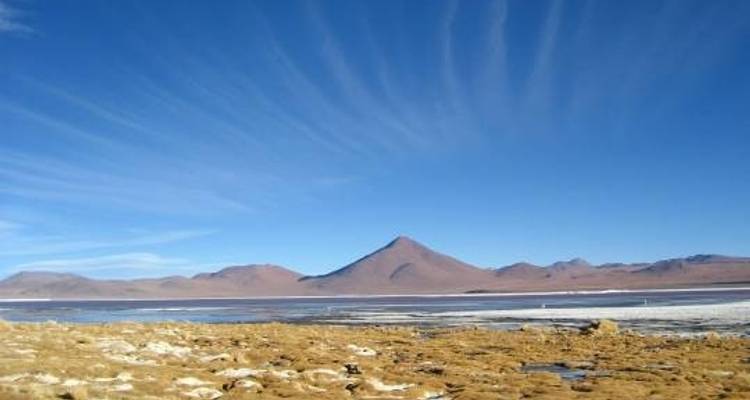
Bolivia view Bolivia view

Map View

Explore Bolivia on the map

Centered on the country’s main cities and scaled to keep the full destination in view.

place 20 Attractions public Google Maps style
search
Search area
Bolivia
Country location
Bolivia
Centred from 20 city points.
open_in_new Open in Google Maps

Bolivia travel overview

Bolivia suits travelers seeking adventure, cultural immersion, and natural wonders. The dry season (May to October) offers optimal conditions for high‑altitude trekking, salt‑flat tours, and wildlife spotting in the Amazon. Budget‑conscious visitors benefit from moderate costs, and the mix of Spanish and indigenous languages adds depth to community interactions. Whether exploring bustling markets, historic plazas, or remote mountain villages, Bolivia delivers a multifaceted experience.

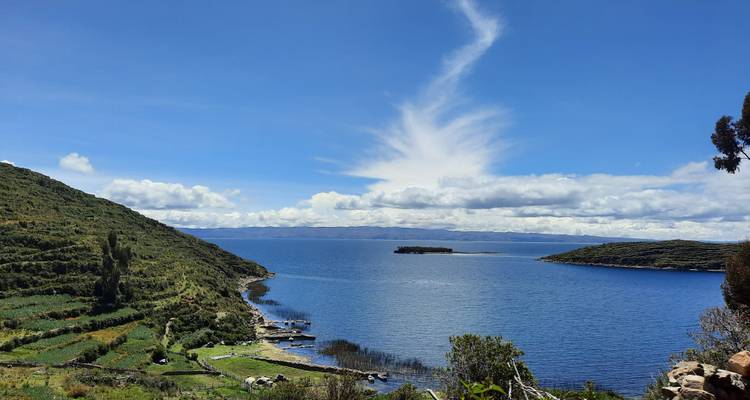
Bolivia view Bolivia view

Essential Travel Tips

Book Early

Popular routes and hotels fill quickly in peak season.

Mix Transport

Use trains between cities and local transit inside centers.

Stay Central

Base yourself near a walkable area to save time.

Cash Ready

Some small vendors still prefer cash for smaller purchases.

Pack Smart

Comfortable shoes matter more than anything else.

Frequently Asked Questions

What is the best time of year to travel to Bolivia? expand_more
The most favorable period for visiting Bolivia is from May through October, which corresponds to the dry season. During these months, rainfall is limited, making road travel easier and outdoor activities such as trekking, salt‑flat tours, and wildlife viewing more reliable.
Do I need a visa to enter Bolivia? expand_more
Many nationalities can enter Bolivia without a visa for stays up to 90 days. Travelers from countries that require a visa must obtain one before arrival. Always check the latest requirements from a Bolivian consulate or official immigration source, as policies can change.
What currency should I bring and can I use cards in Bolivia? expand_more
The official currency is the Bolivian boliviano (BOB). Cash is widely accepted, especially in smaller towns and markets. Major credit and debit cards work in larger hotels, restaurants, and some shops in cities like La Paz and Santa Cruz, but it’s advisable to carry some local cash for everyday purchases.
How much does a typical day cost for a traveler in Bolivia? expand_more
Travel costs in Bolivia are moderate. Budget travelers can manage meals, accommodation, and local transport for around US$30‑40 per day, while mid‑range visitors may spend US$60‑80. Prices vary by city and season, with larger urban centers generally being more expensive than rural areas.
Which cities are essential to include in a Bolivia itinerary? expand_more
Key cities to consider are La Paz, known for its high altitude and cable‑car system; Santa Cruz de la Sierra, the economic hub with a tropical climate; Cochabamba, a cultural crossroads; Sucre, the constitutional capital with colonial architecture; and Potosí, famous for historic silver mines. Each offers distinct experiences and access to surrounding attractions.
What climate can I expect across Bolivia? expand_more
Bolivia’s climate varies widely. The highlands experience cool, dry conditions, especially during the May‑October dry season. Lowland regions, including parts of the Amazon, are warm and humid with a rainy period from November to April. Travelers should pack layers for altitude changes and be prepared for occasional rain in tropical zones.
What are the main attractions in La Paz? expand_more
La Paz offers a blend of urban and natural sights. Visitors can ride the world’s highest urban cable‑car system for panoramic views, explore the historic Plaza Murillo, and visit the nearby Valle de la Luna with its eroded rock formations. The city also serves as a gateway to the Tiwanaku ruins and high‑altitude treks.
What cultural experiences are unique to Bolivia? expand_more
Bolivia’s cultural richness stems from its indigenous heritage. Travelers can witness traditional Aymara and Quechua festivals, such as Carnaval de Oruro, sample regional cuisine like salteñas, and learn about ancient weaving techniques. Multilingual signage and local markets reflect the coexistence of Spanish with Quechua and Aymara languages.
What natural sites should I not miss in Bolivia? expand_more
Top natural attractions include the Salar de Uyuni, the world’s largest salt flat; the Eduardo Avaroa Andean Fauna National Reserve with colorful lagoons and flamingos; the Amazonian lowlands around Riberalta for wildlife spotting; and the dramatic landscapes of the Cordillera Real mountain range, ideal for trekking.
How safe is traveling alone in Bolivia? expand_more
Bolivia is generally safe for solo travelers who follow standard precautions. Keep valuables secure, avoid poorly lit areas at night, and stay informed about local advisories. Using reputable transportation and staying in recognized accommodations further reduces risk, making solo exploration feasible across most tourist regions.