 Lilshira


Explore La Paz, Bolivia
High‑altitude capital offering vibrant markets, cultural sites, and stunning mountain views.
24°C / 75°F
Sunny in La Paz
Peak Season
High visitor demand
La Paz at a glance
La Paz, the administrative capital of Bolivia, sits at roughly 3,650 meters (12,000 feet) above sea level and is home to an estimated 800,000 residents. Its climate is cool and semi‑arid, with dry months from May to October and a brief rainy period November through April. The city’s dramatic setting against the surrounding Andes makes it a striking destination for travelers seeking both urban culture and mountain scenery.

Things to Do in La Paz
Curated experiences led by local experts.
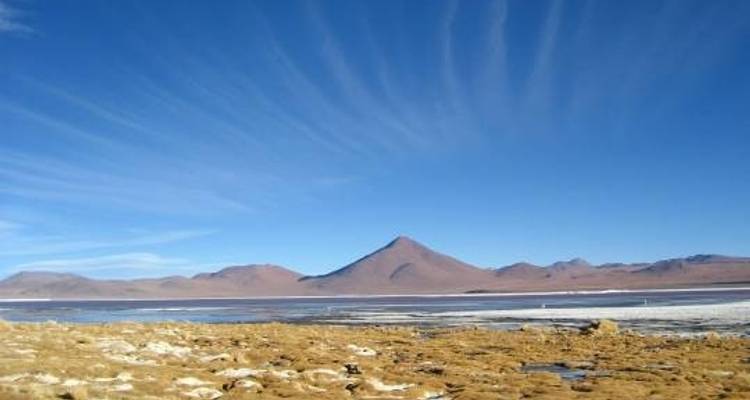
9‑Day Highlights of Bolivia – From La Paz to the Atacama
9 Days • Experience
From USD5,410

Bolivia to Brazil: 31‑Day Highlands & Coastlines Journey
31 Days • Experience
From EUR4,292

Bolivia Total
17 Days • Experience
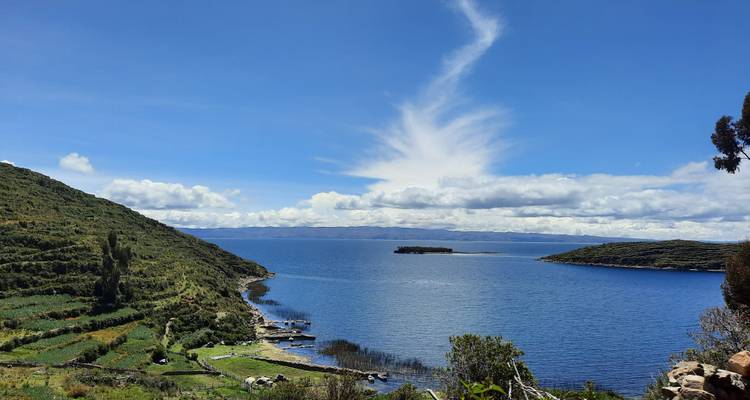
La Paz to Rio via Uyuni and Iguazu (22 Days)
22 Days • Experience
From EUR2,255
Map View
Explore La Paz on the map
La Paz
The map is centred on La Paz.
Why travel to La Paz?
The city suits travelers looking for cultural immersion, adventure, and acclimatization experiences. Visitors can explore historic plazas, bustling markets, and museums while also taking advantage of nearby outdoor activities such as canyon hikes and cable‑car rides that showcase the dramatic landscape. La Paz’s unique altitude and vibrant local life make it ideal for both short city breaks and longer Andean treks.
La Paz travel blogs
Stories and guides connected to La Paz and the surrounding destination.
What are the hidden gems of Bolivia? Uncover secret spots
Bolivia’s hidden gems include the turquoise waters of Laguna Colorada’s quieter sister lake, the mist‑shrouded valleys o...
What is a Good Itinerary for Bolivia? A 10‑Day Plan
A solid 10‑day itinerary is the sweet spot for first‑time travelers to Bolivia. It blends the high‑altitude city of La P...
What should you know before visiting Bolivia? Practical guide
Bolivia demands altitude awareness, flexible weather planning, and basic infrastructure readiness. Expect elevations abo...
Is Bolivia safe for travellers? Complete safety overview
Yes, Bolivia is safe for travellers who stay alert and respect local customs. Most visitors encounter only minor petty c...
What is the best time to visit Bolivia? Seasonal guide
The best time to visit Bolivia is from May to October, the dry season, when weather is clear and most high‑altitude trek...
How many days are enough to visit Bolivia? Find the perfect length
Ten to fourteen days is generally enough to cover Bolivia’s main highlights. This range allows you to explore the Andes...
More in Bolivia
Browse more city pages across Bolivia.