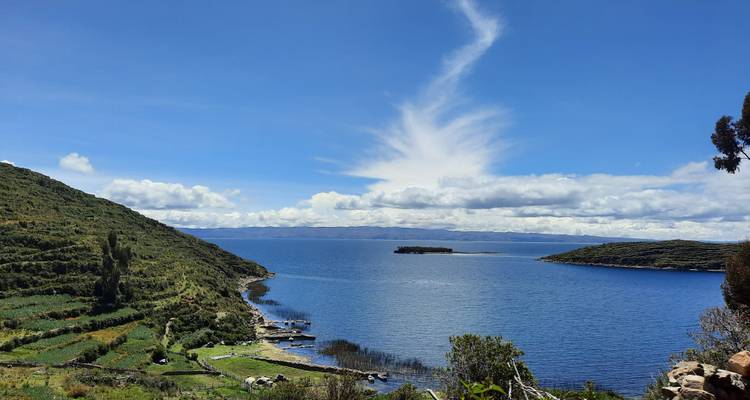
Explore Caranavi, Bolivia

Discover the gateway to the Yungas, its rivers, coffee farms, and vibrant local culture.

explore
wb_sunny

24°C / 75°F

Sunny in Caranavi

trending_up

Peak Season

High visitor demand

Caranavi at a glance

Caranavi is a town in the La Paz department of Bolivia, situated on the banks of the Beni River. With an estimated population of around 30,000, it serves as a key entry point to the Yungas region, known for its lush rainforest, coffee plantations, and river‑based activities. The town’s tropical climate and proximity to natural attractions make it a distinctive destination in Bolivia.

palette Culture & Art
restaurant_menu Culinary Heritage
Caranavi View
Caranavi Landmark
Caranavi Street

Things to Do in Caranavi

Curated experiences led by local experts.
View All Activities arrow_forward

Map View

Explore Caranavi on the map

open_in_new Open in Google Maps
place

Caranavi

The map is centred on Caranavi.

-15.834, -67.566

Why travel to Caranavi?

Caranavi is ideal for travelers seeking eco‑adventure, cultural immersion, and agricultural tourism. Its location offers access to coffee‑farm tours, jungle hikes, and river excursions, appealing to nature lovers and those interested in experiencing Bolivia’s diverse ecosystems. The dry season from May to September provides the most reliable weather for outdoor activities and exploration.

palette Culture & Art
restaurant_menu Culinary Heritage
Caranavi View
Caranavi Landmark
Caranavi Street

Caranavi travel blogs

Stories and guides connected to Caranavi and the surrounding destination.

Frequently Asked Questions

How do I get to Caranavi from La Paz?

expand_more
Travelers can reach Caranavi from La Paz by road, typically using a combination of bus or private vehicle along the Ruta 2 highway. The journey takes approximately 6 to 8 hours, depending on road conditions and traffic. Some visitors also arrange private transfers that include scenic stops along the Beni River corridor.

What is the best time of year to visit Caranavi?

expand_more
The most favorable period to visit Caranavi is during the dry season, which runs from May through September. During these months, rainfall decreases, roads are more passable, and outdoor activities such as hiking, coffee‑farm tours, and river excursions are more reliable. Temperatures remain warm, ranging from 20 °C to 30 °C.

What type of climate should I expect in Caranavi?

expand_more
Caranavi experiences a tropical rainforest climate with warm temperatures year‑round, generally between 20 °C and 30 °C. The region has high humidity and a pronounced rainy season from November to March. Visitors should expect frequent showers during the wet months and relatively dry, sunny conditions in the May‑September period.

Are there any safety tips for travelers in Caranavi?

expand_more
Travelers should keep valuables secure, avoid walking alone after dark, and stay informed about local weather, especially during the rainy season when roads can become hazardous. It's advisable to use reputable transport providers, drink bottled water, and respect local customs. Checking recent travel advisories from your government before departure adds an extra layer of safety.

What currency is used and are ATMs available in Caranavi?

expand_more
The official currency in Caranavi, as throughout Bolivia, is the Boliviano (BOB). ATMs are limited but can be found in the town center and some larger shops. Visitors should carry a modest amount of cash for smaller vendors and consider using major credit cards in the few establishments that accept them.

What are the main attractions in Caranavi?

expand_more
Key attractions in Caranavi include the Beni River waterfront, which offers boat tours and fishing opportunities, and nearby coffee plantations that showcase the region’s renowned Yungas coffee. The surrounding rainforest provides access to hiking trails, waterfalls, and bird‑watching sites, making nature exploration a central part of the visitor experience.

Where can I experience the Yungas coffee region near Caranavi?

expand_more
The Yungas coffee region surrounds Caranavi, with many small farms offering guided tours that explain coffee cultivation, processing, and tasting. Visitors can arrange tours through local cooperatives or travel agencies in town, which typically include a walk through the plantations, a demonstration of traditional methods, and a sampling of freshly brewed coffee.

Are there any natural reserves or parks near Caranavi?

expand_more
While Caranavi itself is not within a designated national park, the nearby Yungas forest area contains protected zones and community‑managed reserves that preserve biodiversity. These areas are accessible via short drives or guided hikes, offering opportunities to observe endemic wildlife, tropical flora, and scenic viewpoints along river valleys.

What cultural experiences are available in Caranavi?

expand_more
Cultural experiences in Caranavi include visits to local markets where artisans sell handmade textiles and crafts, as well as community events that feature traditional music and dance. Travelers can also engage with indigenous Aymara and Quechua communities to learn about their customs, agricultural practices, and regional folklore.

What local dishes should I try in Caranavi?

expand_more
Typical dishes in Caranavi feature river fish such as trout, prepared grilled or in soups, and hearty stews like “sopa de maní” (peanut soup). Visitors should also sample “pique a lo macho,” a mixed meat and potato dish, and enjoy fresh tropical fruits like papaya and mango that are abundant in the area.