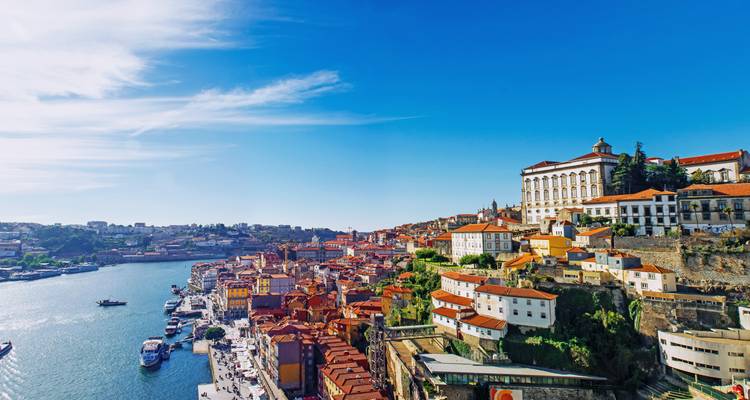
US travel advisory warns of storms Bruna and Charles in Portugal
The United States has issued a travel advisory for Portugal because Storm Bruna and Cyclone Charles are creating flash‑flood and high‑wind hazards. The alert is in force now and runs through Friday, 13 November, affecting American citizens, tourists and other foreigners travelling to mainland Portugal and its autonomous islands.

In this story
At a glance
- What changes
- US State Department issues travel advisory for Portugal due to severe storms
- Timing
- Effective immediately through Friday 13 November
- Who is affected
- American citizens, tourists and other foreign visitors in Portugal
The details
- Announced by
- U.S. Department of State and the U.S. Embassy in Portugal
- Takes effect
- effective now through Friday, November 13
Advisory Issuance
The U.S. Department of State, together with the U.S. Embassy in Portugal, released an immediate security and travel alert. The notice urges American citizens, tourists and other foreigners in Portugal to prepare for hazardous weather and to follow local evacuation orders.
- Alert covers mainland Portugal and the autonomous islands
- Advisory remains active until 13 November
Weather Threats
Storm Bruna is delivering heavy rain across the mainland, while Cyclone Charles is expected to make landfall on 11 November with winds up to 140 km/h. The combination is saturating soils and creating flash‑flood conditions, mudslides and dangerous sea swells.
- Red weather alerts issued for Lisbon, Setúbal, Santarém, Leiria, Évora, Beja, Portalegre and Faro
- Sea swells of 4‑6 m, peaks over 10 m near Cabo Carvoeiro
Safety Measures and Disruptions
Portuguese authorities have ordered closures of schools, universities and cultural institutions in red‑alert districts. Access to natural parks, historic sites and coastal promenades is suspended. The main long‑distance coach operator, Rede Expressos, has halted intercity routes, and major airports face delays and cancellations.
- Public transport, including Tagus River ferries, may be suspended
- Roads such as the A1, A2 and A22 are hazardous due to flooding and high winds
What this means for travellers
Trip planning
- Travelers already in Lisbon, the Algarve, Porto or central valleys should expect possible flight delays or cancellations at LIS and FAO airports.
- Intercity bus journeys across the mainland are suspended until the weather improves.
- Driving on major highways may be unsafe due to aquaplaning and reduced visibility.
Cost and documents
- No additional fees are introduced by the advisory.
- Travelers should keep passports, visas and insurance documents readily accessible in case of emergency relocation.
What you need to do
- American travelers should register with the Smart Traveler Enrollment Program (STEP) for real‑time updates.
- Follow local evacuation orders and avoid flooded areas, open‑air monuments and coastal boardwalks.
- Stay indoors during peak squalls on 11 November and keep emergency lighting charged.
Who this affects
-
American citizens in Portugal
The advisory is directed at U.S. nationals present in mainland Portugal and the autonomous islands.
What to do Register with STEP, monitor local alerts and avoid travel in hazardous zones.
-
American tourists visiting Portugal
Tourists are included in the security alert due to the severe weather risk.
What to do Consider postponing sightseeing, follow closures of parks and monuments, and stay informed of transport disruptions.
-
Foreign visitors to mainland Portugal and autonomous islands
The advisory also mentions foreigners traveling in the affected regions.
What to do Observe local safety directives, avoid flooded routes and heed any evacuation instructions.
Frequently asked questions
What does the US travel advisory for Portugal say?
The advisory warns American citizens, tourists and other foreigners in Portugal to prepare for flash‑floods, high winds up to 140 km/h and possible disruptions, and to follow local evacuation orders through 13 November.
When is the advisory in effect?
The advisory is effective immediately and remains active until Friday, 13 November, according to the U.S. Department of State.
Which areas of Portugal are under the highest alert?
Red alerts cover Lisbon, Setúbal, Santarém, Leiria, Évora, Beja, Portalegre and Faro, including the entire Algarve tourism corridor.
How will transportation be affected?
Major airports may experience delays and cancellations, long‑distance coach services are suspended, and ferry operations on the Tagus River could be halted due to unsafe conditions.
What safety steps should travelers take?
Travelers should register with STEP, stay indoors during peak squalls, avoid flooded areas and closed attractions, keep emergency supplies charged, and follow any local evacuation orders.