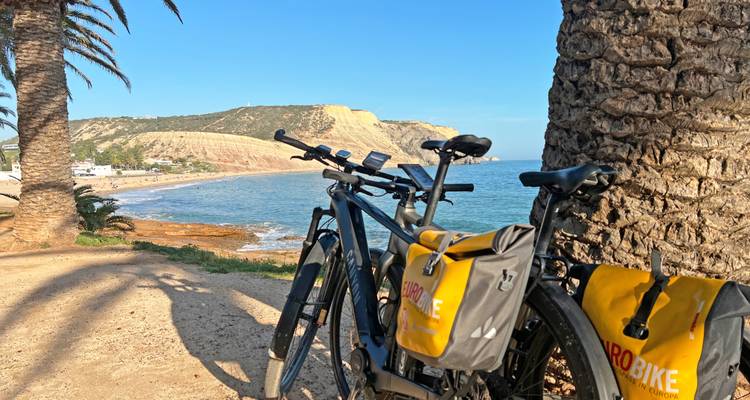
Portugal Coast

Discover Portugal

A safe, Mediterranean destination with historic cities, affordable travel and mild weather.

66 Tours
6 Guides
5 Cities
payments

Currency

Euro (EUR)

translate

Language

Portuguese

groups

Population

≈10.3 million

passport

Visa

Schengen visa‑free for many; visa required for others

security

Safety

Generally safe with low crime

savings

Travel Cost

Moderate – €70‑100 per day

wb_sunny

Best Visit

Spring (April‑June) & early autumn (Sept‑Oct)

Portugal at a glance

Portugal, located in Western Europe, offers a Mediterranean climate with mild winters and hot, dry summers. The country uses the euro, Portuguese is the official language, and a population of roughly 10 million enjoys a safe environment. Visitors benefit from its position in the Schengen area, allowing visa‑free entry for many nationalities, while others obtain a Schengen visa. With 20 cities—including Lisbon, Porto, Coimbra and Faro—Portugal combines historic charm with coastal appeal.
Portugal view Portugal view

Map View

Explore Portugal on the map

Centered on the country’s main cities and scaled to keep the full destination in view.

place 5 Attractions public Google Maps style
search
Search area
Portugal
Country location
Portugal
Centred from 5 city points.
open_in_new Open in Google Maps

Portugal travel overview

The country’s climate and safety make it ideal for cultural city tours, beach holidays and wine‑region explorations. Travelers can comfortably visit during spring or early autumn when temperatures are pleasant and crowds are lighter. A moderate daily budget of €70‑100 supports accommodation, meals and transport across its diverse cities, allowing a balanced experience of urban heritage and Atlantic coastline.

Portugal view Portugal view

Essential Travel Tips

Book Early

Popular routes and hotels fill quickly in peak season.

Mix Transport

Use trains between cities and local transit inside centers.

Stay Central

Base yourself near a walkable area to save time.

Cash Ready

Some small vendors still prefer cash for smaller purchases.

Pack Smart

Comfortable shoes matter more than anything else.

Frequently Asked Questions

What visa do I need to travel to Portugal? expand_more
Portugal is part of the Schengen Area. Citizens of EU/EEA states and many other countries can enter visa‑free for up to 90 days within a 180‑day period. Travelers from nations that do not have visa‑free agreements must obtain a Schengen visa before arrival.
When is the best time of year to visit Portugal? expand_more
Spring (April‑June) and early autumn (September‑October) provide mild temperatures, lower rainfall and fewer tourists, making sightseeing and outdoor activities more comfortable across the country.
What currency is used in Portugal and how much should I budget per day? expand_more
Portugal uses the euro (€). A typical daily budget for mid‑range travel ranges from €70 to €100, covering accommodation, meals, local transport and modest entrance fees.
How safe is Portugal for tourists? expand_more
Portugal is regarded as a safe destination with low crime rates. Standard precautions such as securing valuables, staying aware in crowded areas and using reputable transport services are sufficient for most visitors.
What language will I hear in Portugal? expand_more
Portuguese is the official language spoken nationwide. In major tourist zones, hotel staff, restaurant personnel and guides often speak English, allowing basic communication without fluency.
How many major cities can I explore in Portugal? expand_more
Portugal officially recognizes 20 cities, ranging from the capital Lisbon and historic Porto to university towns such as Coimbra and coastal Faro, each offering distinct cultural and geographic experiences for travelers.
What climate should I expect when traveling to Portugal? expand_more
Portugal has a Mediterranean climate, featuring mild, wet winters and hot, dry summers. Coastal areas are moderated by the Atlantic Ocean, providing pleasant temperatures especially in spring and autumn.
Which time zone does Portugal operate in? expand_more
Portugal follows Western European Time (UTC 0). During daylight‑saving months, typically from the last Sunday in March to the last Sunday in October, clocks advance one hour to UTC +1.
Are there any special safety considerations for solo travelers in Portugal? expand_more
Solo travelers benefit from Portugal’s low crime level. Maintaining usual precautions—keeping valuables secure, avoiding poorly lit streets at night and using licensed taxis or public transport—ensures a safe experience.
How can I manage language barriers while traveling in Portugal? expand_more
Portuguese is the primary language, but in tourist areas staff commonly speak English, and signage often includes English translations, allowing visitors to manage basic needs without prior language study.