 Lilshira


Discover Faro, Portugal
A coastal city where historic charm meets sunny beaches.
24°C / 75°F
Sunny in Faro
Peak Season
High visitor demand
Faro at a glance
Faro, the capital of Portugal’s Algarve region, sits on the Ria Formosa lagoon and offers a blend of historic architecture and natural beauty. Its well‑preserved Old Town, Roman walls, and the 13th‑century cathedral showcase centuries of heritage, while nearby islands and beaches provide a relaxed seaside atmosphere.

Things to Do in Faro
Curated experiences led by local experts.
Discover Portugal
10 Days • Experience
From EUR3,730

Portugal & Madeira
11 Days • Experience
From EUR2,768
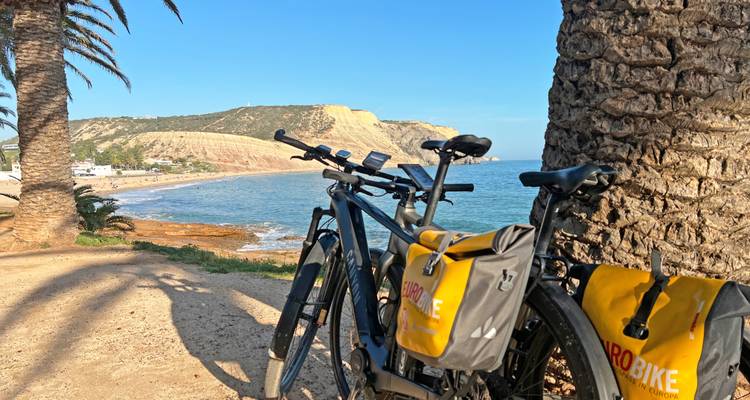
Algarve: Along Portugal's Dream Coast
8 Days • Experience
From EUR999

Flavors of Portugal & Spain 2024
8 Days • Experience
Map View
Explore Faro on the map
Faro
The map is centred on Faro.
Why travel to Faro?
Faro is ideal for cultural explorers, beach lovers, and nature enthusiasts. The city serves as a base for day trips to the Ria Formosa Natural Park, island beaches, and historic villages, making it suitable for short city breaks, family holidays, and active outdoor getaways.
Faro travel blogs
Stories and guides connected to Faro and the surrounding destination.
What should you know before visiting Portugal? A practical country guide
Before you set foot in Portugal, understand the climate, budget ranges, transport options and local customs. A ten‑day t...
What are the hidden gems of Portugal? A Traveler’s Guide
Portugal’s hidden gems include the medieval village of Monsaraz, the dramatic cliffs of Costa da Caparica, the lush vine...
Is Portugal Safe for Travellers? All You Need to Know
Yes, Portugal is widely regarded as safe for travellers. Most visits involve low crime rates, reliable public services,...
What is a good itinerary for Portugal? A 10‑Day Travel Plan
A ten‑day itinerary is ideal for first‑time visitors who want to see Portugal’s major highlights while still enjoying le...
What is the best time to visit Portugal? Seasonal guide
The best time to visit Portugal is from late May to early October, with May‑June and September‑early October offering th...
How many days are enough to visit Portugal? A practical guide
A ten‑day itinerary hits the sweet spot for most visitors to Portugal. Ten days let you explore Lisbon’s historic quarte...
More in Portugal
Browse more city pages across Portugal.