Lilshira


Best Destinations for Solo Travelers: Where to Go Alone
Back to articles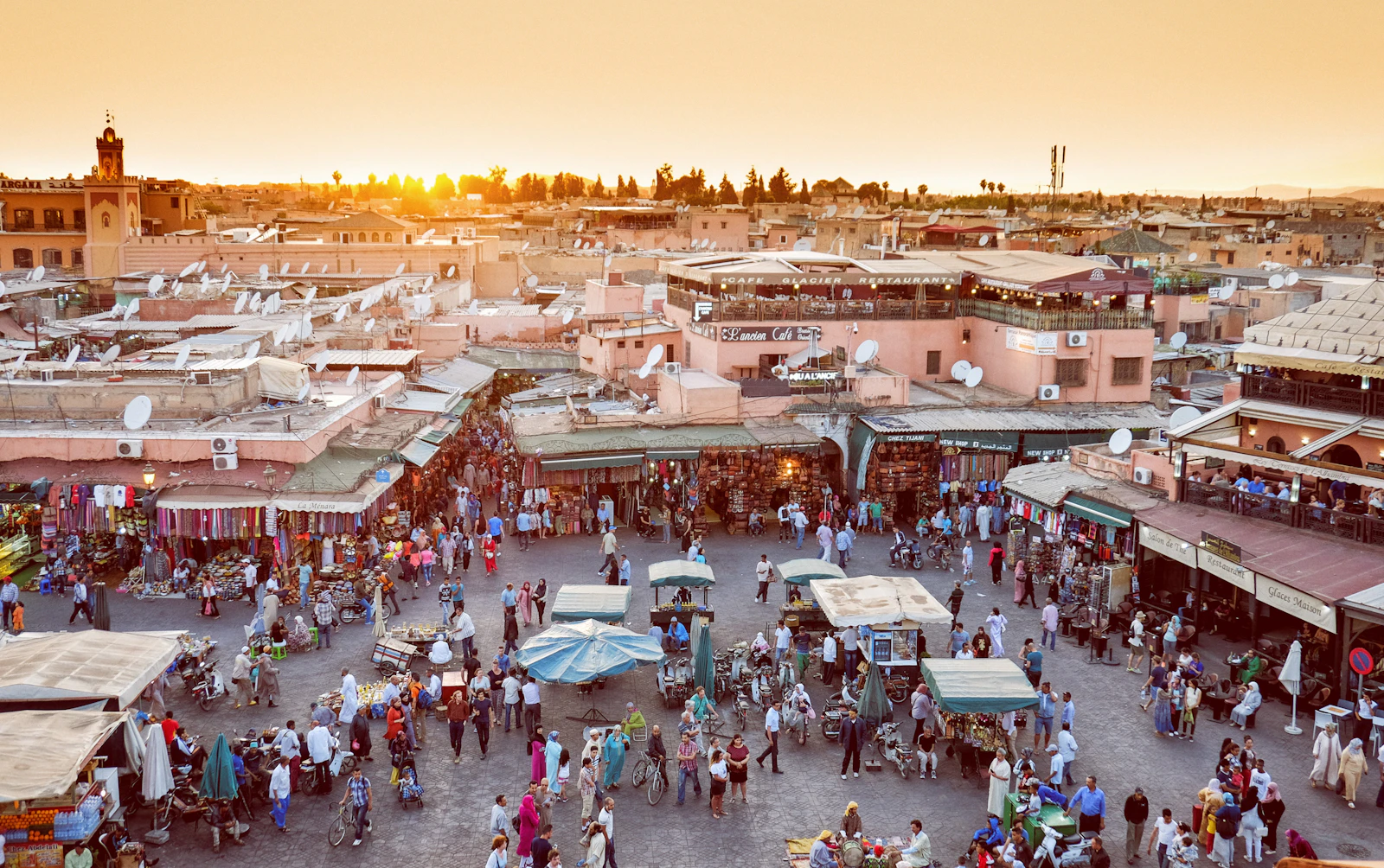
On this page
- Four checks before you commit to a destination
- Best destinations for solo travelers: how to read a city first
- Solo budget bands: which of these cities sit where
- Solo travel destinations by season: a month-by-month view
- Marrakech and the medina: what going alone in Morocco asks of you
- Cairo: a huge, hot city that solo travelers handle well
- Istanbul: two continents and an easy solo week
- Kyoto and Copenhagen: two orderly cities built for going alone
- Hanoi: the loud, affordable city where solo travel feels alive
- Choosing a destination by travel style, not by ranking
- How to travel solo: hostels, group tours, walking tours and meetups
- The first twenty-four hours: an arrival-day routine
- Solo travel safety: routine, research and where to check
- Frequently asked questions
The best destinations for solo travelers are the ones that make being alone easy rather than remarkable: walkable cities with dense hostels, reliable transport, and a steady supply of walking tours, group tours and meetups to join. Marrakech, Cairo, Istanbul, Kyoto, Hanoi and Copenhagen each suit a different kind of solo trip.
Four checks before you commit to a destination
Four checks decide whether a destination suits a solo trip, and none of them is about how famous the place is. Run them before you compare anything else.
- Can you move around without a car? Walkable old quarters and working metro systems keep a solo day independent. Cities built around driving push you toward taxis and packaged tours.
- Do evenings feel normal alone? The real test is whether a quiet dinner or the walk back to your room feels unremarkable. Some cities are full of solo diners and others still expect groups.
- Is there a social supply? Hostels, walking tours, day tours and meetup groups turn a lonely week into an easy one, and a hostel district near the centre usually signals that strangers talk to each other.
- What do season and budget do to that? A destination that works at a mid-range budget in shoulder season can feel crowded and expensive at peak.
Most destinations to visit alone are not remote at all: they are ordinary cities where being on your own is common enough to go unnoticed. That point matters more than any ranking, because a place can be safe, cheap and beautiful and still be a poor fit for a first solo trip if every table is set for two. Weigh how a destination treats a lone visitor as heavily as you weigh safety and price, and judge the day you would actually have there rather than the photograph that sold it to you.
Run the four checks against your shortlist and it usually shrinks by itself, because the same handful of destinations keep passing: places where a lone visitor is ordinary rather than an event. That is a better guide than any countdown of top ten cities, since it describes the trip you will actually take rather than the trip someone else took.
Best destinations for solo travelers: how to read a city first
Before you commit to a city, read how its shape treats a person alone. The best cities for solo travel share three things: a compact centre, transport that still runs in the evening, and enough visitors that a stranger at a bar is unremarkable.
- Dense historic cores — the Marrakesh medina, Sultanahmet in Istanbul, downtown Cairo. Everything sits within walking distance, so a day needs little planning. The trade-off is attention: expect sellers, touts and negotiation.
- Modern grid cities — Copenhagen. Logistics almost run themselves, English is everywhere and transport is simple. The trade-off is cost, especially for food and drink.
- Temple-and-neighbourhood cities — Kyoto. Orderly, quiet and comfortable for solo dining, but the social scene is calmer and hostels are fewer than in backpacker hubs.
- Motorbike cities — Hanoi. Intense, affordable and endlessly social on the street, though you cross the road by walking steadily and trusting the flow.
None of these is better than another; they suit different travelers. If you want company, pick a backpacker hub. If you want calm, pick the orderly city. If you want cheap and alive, pick the loud one. Read the place for the type of day it gives you, not for its ranking among places to travel alone.
The city type also shapes the budget, because walkable cores reward staying central while motorbike cities reward eating on the street. Choosing the right type first means the rest of the planning is mostly about which month and which neighbourhood, rather than whether the trip will work at all.
Solo budget bands: which of these cities sit where
Prices move, so treat every band here as approximate and re-check it for your dates. What does not move is the order: the cities in this article fall into recognisable cost bands, and choosing the band is the first budget decision.
- Value band — Hanoi and Cairo. Cheap transport, cheap food and a hostel bed that leaves room for tours. The trade-off is that you pay in attention and heat rather than money.
- Mid band — Marrakech and Istanbul. Affordable food and transport, with accommodation the item that moves most; staying central costs more but saves taxi fares and time.
- Premium band — Copenhagen, and Kyoto for accommodation in blossom season. Logistics are easy and food is the main expense; hostels and bakeries are how the band is made workable.
Two rules keep a solo budget honest. First, price the trip per day rather than per item, because a cheap room far out is often a false saving once transport and time are counted. Second, decide which one thing you will not economise on — a private room, a guided day, a seat at a good counter — and cut everything else around it.
The band also tells you which city to visit first. Starting in the value band lets a first solo trip run longer and cost less while you learn the rhythm; starting in the premium band buys an easier introduction but a shorter trip for the same money.
Re-check the current picture before you book, since accommodation and transport are the two lines that move fastest, and a band that was accurate last season can drift. Ranges, not single figures, are what you want at this stage: exact numbers only become meaningful once your dates and your room type are fixed. If a band feels tight, cut paid tours before you cut the quality of your room, because sleep and location pay you back daily.
Solo travel destinations by season: a month-by-month view
Timing changes a solo trip more than it changes a group trip, because crowds, heat and prices move together, and a month that suits one city is wrong for another.
- January and February: strong for Cairo, Marrakech and Hanoi — cool, dry days and thinner crowds. Weak for Kyoto's gardens and Copenhagen's short daylight.
- March and April: the all-round window for Kyoto and Istanbul, though expect the year's highest prices in Kyoto around blossom season.
- May and June: good for Copenhagen and Istanbul before the summer rush, and workable in Marrakech if you start early and rest at midday.
- July and August: peak crowds and heat in Cairo, Marrakech and Istanbul. Copenhagen's long, light evenings are the coolest option here.
- September and October: the best compromise for most of these cities — settled weather and shoulder-season prices.
- November and December: quiet and cheaper in Marrakech and Cairo, cold in Kyoto and Copenhagen, mild in Hanoi.
Treat each line as a starting point, then re-check the specific month for the city you choose. Religious calendars, rainy seasons and school holidays all shift demand, and the comfortable edges of each season move from year to year. For a solo traveler, arriving just outside the peak is often the single easiest way to lower costs and avoid finding every tour booked out.
If your dates are flexible, aim for the two weeks on either side of a peak and reserve the first night or two in advance; that combination handles both overcrowding and the stress of a late arrival. If your dates are fixed, choose the destination whose worst month you can still enjoy, rather than the one whose best month you will miss.
Marrakech and the medina: what going alone in Morocco asks of you
Marrakech rewards a traveler who likes being in the middle of things and wears down one who wants to be left alone. It is intense, sociable and rarely quiet.
The medina is a genuine maze, and getting briefly lost is part of the experience rather than a failure. Orient yourself on the first morning with a walking tour, or by following the main lanes toward the central square, then use a couple of large landmarks as anchors. Riads and hostels sit inside the old walls, which puts you close to everything and gives you a staffed base where someone always knows your name.
Because wandering alone can tire quickly, Marrakech suits mixing free time with a short group tour. Day trips into the Atlas Mountains and multi-day trips toward the desert are easy to join as a single traveler, and they remove the transport planning that is hardest to do on your own here.
Local etiquette is straightforward: dress a little more modestly than you would at home, ask before photographing people, and treat bargaining as a conversation rather than a fight. Evenings on and around the main square are the most social part of the day, and the easiest place to end up talking to strangers. Our Morocco destination guide is a useful companion when you plan the wider country around the city.
Two or three full days cover the medina, the gardens and the main square comfortably, and anything beyond that is best spent on day trips. Because the city is compact, a solo traveler can keep costs down by staying in a central hostel or riad and walking almost everywhere.
Cairo: a huge, hot city that solo travelers handle well
Cairo is enormous, hot, dusty and, for all that, one of the easier big cities to travel alone: transport is cheap, food is everywhere and a lone visitor is completely unremarkable.
The city runs along the Nile, with most hostels and mid-range hotels clustered in the downtown grid and on Zamalek island. Those districts put you near the metro and within reach of the river, which is the calmest place to walk in the evening. The pyramids at Giza sit on the western edge of the built-up area, so they work as a half-day trip rather than a separate stop.
The historic core rewards a guide: the lanes around Khan el-Khalili and Islamic Cairo are dense with landmarks and easy to misread without context.
Cairo asks for a little more care than Copenhagen or Kyoto. Traffic is heavy, and a solo woman is more likely to attract unwanted attention than in European cities, so many travelers join a small group tour for the first day, use ride apps after dark and dress conservatively. These are practical adjustments rather than reasons to avoid the city.
Our Cairo city page sets the scene for the city itself.
Plan around the heat rather than against it: early mornings and evenings for sightseeing, the middle of the day for a museum, a cafe or the hotel. A short trip of a few days is enough for the core, and time beyond that is best spent on day trips to the older sites outside the city.
Istanbul: two continents and an easy solo week
Istanbul fits a solo week neatly because the city is built for wandering: two continents, cheap ferries and a historic core you can cross on foot.
Sultanahmet holds the great monuments within a few minutes of each other, and the tram line running through the old city makes the rest easy to reach. The Bosphorus ferries are the best value activity in the city and a comfortable thing to do alone, with a moving view and no schedule to keep.
Across the water, Beyoğlu and the Asian-side district of Kadıköy are where the everyday city lives: markets, cafes and long pedestrian streets that reward slow walking. Hostels cluster in both the old city and Beyoğlu, so you can choose between a tourist base and a more local one.
Istanbul is a good first city for solo travel because company is easy to find — walking tours, food tours and day cruises all run daily and accept single bookings. Equally, if you want a quiet solo day, nobody will look at you twice for eating alone. Etiquette is relaxed, and a few words of Turkish go a long way.
Start with the Istanbul city page to build the shape of the trip before you book.
The city rewards a loose plan: pick one neighbourhood a day and walk it, rather than chasing a checklist across two continents. A card for public transport and a willingness to treat the ferry as sightseeing rather than a way to get somewhere will carry most of a solo week on their own.
Kyoto and Copenhagen: two orderly cities built for going alone
Kyoto and Copenhagen sit at opposite ends of the world and yet solve the same problem: both are orderly, safe and calm enough that traveling alone feels ordinary rather than bold.
Kyoto is the quieter of the two. Temples, gardens and old lanes are close enough to link on foot or by bus, ramen counters and set-meal restaurants are designed for one person, and there is none of the street hassle that wears solo visitors down elsewhere. The trade-off is a gentler social scene: hostels are fewer and meetups are quieter, so company takes a little more effort.
Copenhagen is the easier one on logistics. English is universal, the metro and trains are simple, and the city is flat enough to cross by bicycle, which is the cheapest and most pleasant way to move around. Meals are the main cost, so budget travelers gravitate to bakeries, markets and hostel kitchens. In winter the days are short and dark, which suits some solo travelers and drains others.
Both are strong choices for a first trip alone: Kyoto for culture and comfort, Copenhagen for a calm, low-friction introduction to northern Europe. Neither pushes you to be sociable, and neither punishes you for staying quiet.
Both reward a slow pace: a temple and a neighbourhood a day in Kyoto, a district and a bakery in Copenhagen, with the rest left open for wandering. If you are choosing between them for a first solo trip, pick the one whose climate you can enjoy, because the calm only works if you actually want to be outside in it.
Hanoi: the loud, affordable city where solo travel feels alive
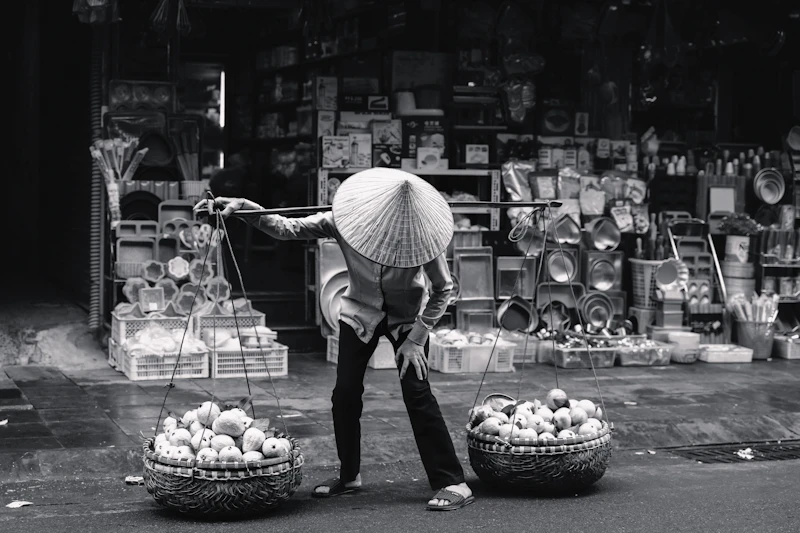
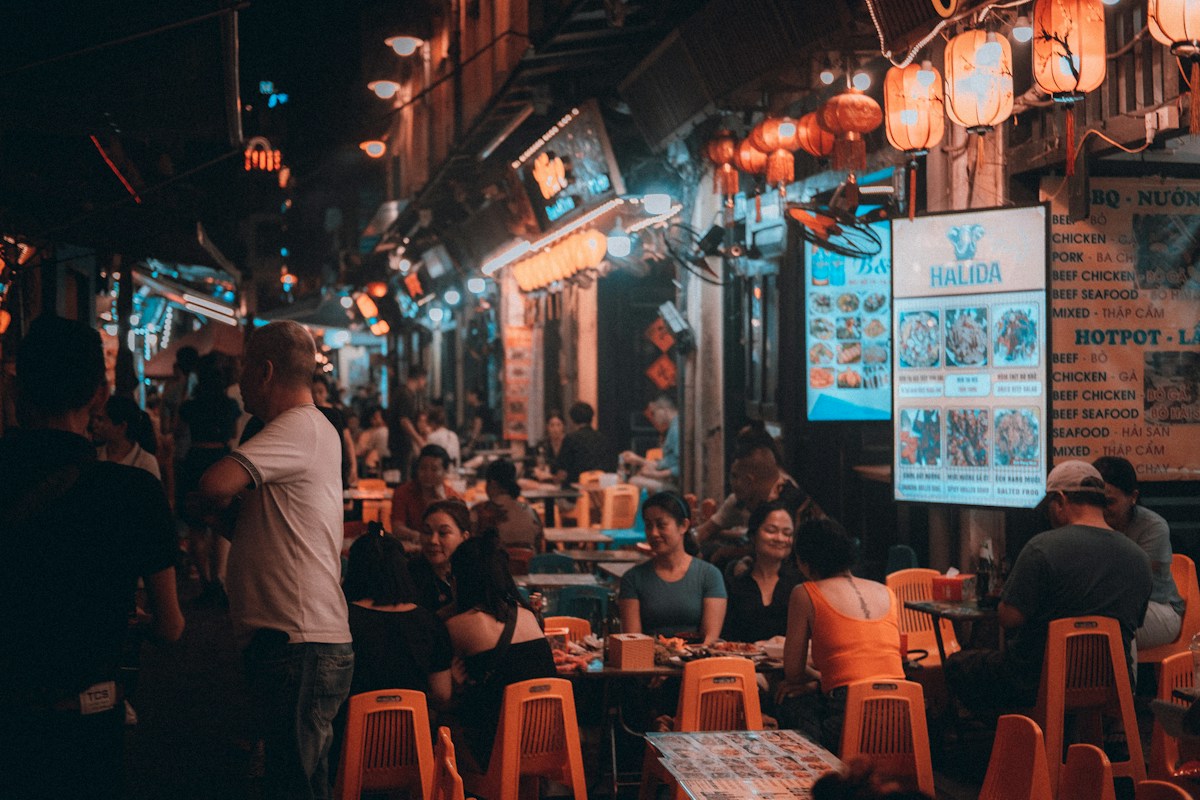
Hanoi is the opposite of a calm city, and that is exactly why many solo travelers like it: it is loud, affordable and social from the moment you step outside.
The Old Quarter is a dense grid of narrow streets, each historically tied to a trade, wrapped around Hoan Kiem Lake and packed with hostels, cafes and street food. Almost everything you need for a first visit sits within walking distance, which keeps a budget trip simple and cheap.
Crossing the road is the first skill to learn: move at a steady pace, keep going and let the motorbikes flow around you. Street food is the main event, and eating alone at a small stall is completely normal; a food-focused walking tour is a good way to learn both the dishes and how to order them. The hostel scene is famously social, with group dinners and day trips that make it easy to find company without joining anything formal.
From Hanoi, group trips to the coast and the northern mountains are simple to book as a single traveler, so the city works equally as a base or a first stop on a longer route.
Two or three days is enough to settle into the Old Quarter, and the natural next move is outward: the coast, the terraced north or a short hop south. Because the city is cheap and central, it also works as a soft landing for a longer solo route through the region.
Choosing a destination by travel style, not by ranking
A ranking tells you what other people liked. Travel style tells you what you will actually do between breakfast and dinner, and that is the part you remember. The earlier section read the shape of a city; this one reads the shape of your day.
- Food-led days — you plan around markets, stalls and long lunches. Hanoi and Istanbul reward this most, and the payoff is in the small places rather than the famous ones.
- Walking and architecture — you want to cover a neighbourhood on foot and stop often. Dense historic cores suit you; motorbike cities ask for more nerve than you may want to spend.
- Museums and monuments — you want context, labels and a guided hour. Cairo and Istanbul carry the heaviest load here, and a guide is money well spent.
- Outdoors and day trips — you treat the city as a base for mountains, coast or desert. Marrakech, Cairo and Hanoi all work as launch points for a group day away.
- Evening-led days — you come alive after dark and want company. Backpacker hubs and cities with long pedestrian streets are the fit; quiet temple cities will feel early.
Most trips are a mix, so pick the style that dominates and let it break ties. If two cities score the same on safety, cost and season, the one that matches how you like to spend an afternoon is the better choice, because you will spend far more afternoons there than evenings at the headline sight.
The test is simple: describe the day you want, then check whether the city makes that day easy or merely possible. Easy wins on a first solo trip, even when the other city has the better list of sights. If you are still deciding how long to stay, how many days in Cairo walks through the options.
How to travel solo: hostels, group tours, walking tours and meetups
The practical side of traveling alone is mostly about choosing how much company you want on any given day, and the four tools below let you dial that up or down.
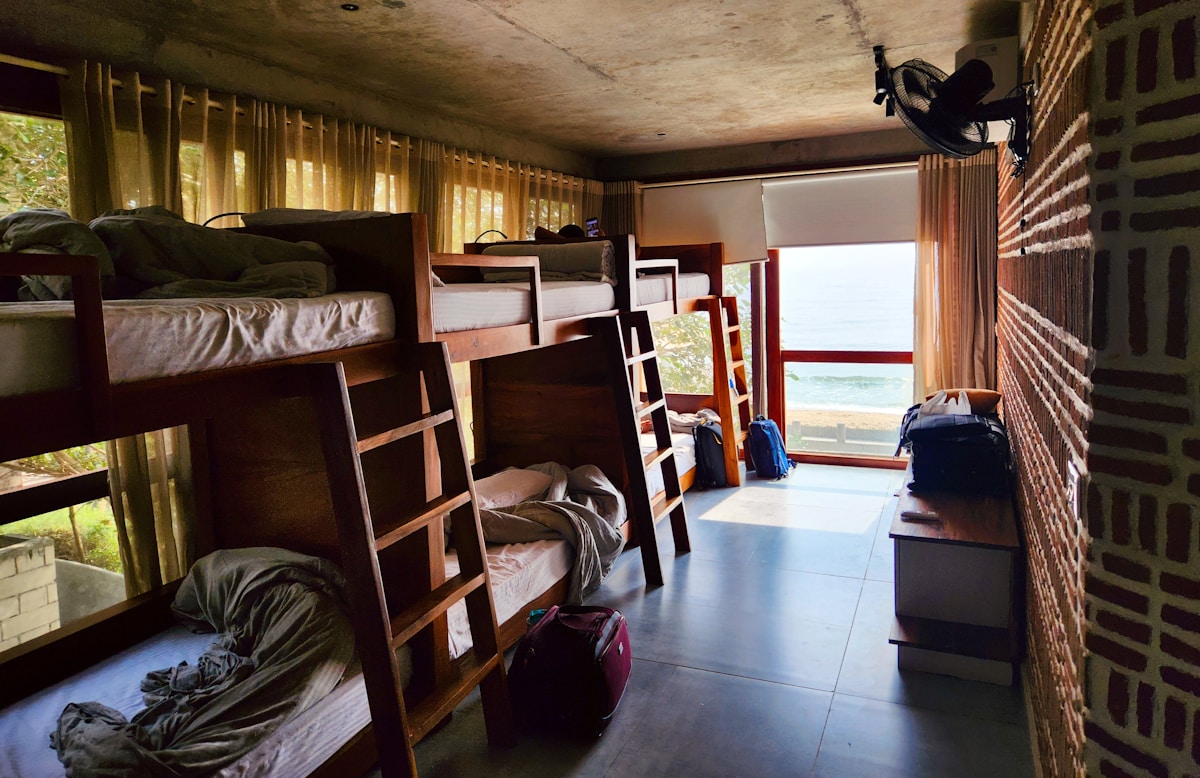
- Hostels — the fastest route to company. A private room in a hostel costs more than a dorm but keeps you inside the social orbit, so you get the common area without the bunk.
- Group tours — day tours and multi-day trips remove logistics and hand you instant company. They suit the places where solo travel is hardest, such as deserts, mountains and long road routes.
- Walking tours — usually free or tip-based, and best on your first morning in a city: they teach the layout, mark sensible evening routes and often end with people heading to lunch together.
- Meetups — language exchanges, hobby groups and hostel-organised dinners are the most local option and the least touristy way to spend an evening.
The trick is to alternate. Schedule one social anchor every day or two — a walking tour, a group dinner — and leave the rest unstructured, so you are never trapped in company you did not choose. Solo travel is not an all-or-nothing choice between being alone and joining a crowd; the good trips mix both, and the mix is yours to set.
What you are really building is a rhythm: a base you trust, one or two fixed points in the week, and the freedom to say yes on the day. Done that way, the question stops being whether you can travel alone and becomes simply where you want to go next.
The first twenty-four hours: an arrival-day routine
Arrival day is not sightseeing; it is setup. Get the boring parts right and the rest of the week runs on its own, because every small task you clear on arrival is a decision you do not have to make later.
- Arrive in daylight where you can, and have the address written in the local script before you leave the airport or station.
- Check in, drop your bags, and walk the two or three streets around your accommodation until the corner shop, the nearest stop and the way back are familiar.
- Sort the practical layer: local cash, a transport card or ticket, and data on your phone. Do this before you are tired or hungry.
- Take a short orientation walk of your own in the late afternoon, and save a proper walking tour for the next morning.
- Eat somewhere near and busy rather than somewhere famous, then mark tomorrow's first stop on a map before you sleep.
The order matters more than the speed. Orientation first, logistics second, company third: once you can find your way back and pay for things, joining a tour or starting a conversation stops feeling like a risk. Doing it the other way round — a long queue at a major sight before you know where you are — is what turns an arrival into a bad first impression.
Keep the first evening short and the first morning loose. Leave one thing unplanned so the trip has somewhere to go, and treat the routine as a template you repeat in each new city rather than a schedule you have to keep. The pace is deliberately slow: a first day that ends early leaves you with energy for everything that follows.
Solo travel safety: routine, research and where to check
Safety advice for solo travel is less about the destination than about routine: where you stay, how you move after dark and what you carry.
- Accommodation: choose a central, staffed place and check how the entrance feels at night before you commit.
- Movement: use licensed taxis or ride apps after dark, and share your route with someone at home.
- Money and documents: split cards and cash across bags, and keep copies of your passport and insurance in the cloud.
- Attention: in most tourist cities the common risk is petty theft and distraction, not violence, so guard against crowding and confusion.
- Instinct: if a situation feels wrong, leave, even at the cost of a booking.
The short answer to "is travelling alone safe" has no single shape, because it depends on the city, the season and your own experience. On solo female travel destinations, the map is broadly the same but the planning is heavier: some cities call for different clothing, different transport at night and more attention to unwanted attention. The answer is rarely to avoid a whole region; it is to research the specific city and to weigh the current picture rather than a five-year-old blog post.
Since safety depends on your nationality, the honest place to check is the country-by-country advisory index. The UK government's foreign travel advice pages list entry rules, local risks and health guidance for each country, and other governments publish equivalents. Read your own country's version, then re-check it close to departure.
None of this is about being afraid; it is about removing the small decisions that cause most of the trouble. The travelers who handle solo trips well are rarely the boldest, but the ones who set a few rules in advance and then get on with enjoying the place.
Frequently asked questions
Is a solo trip more expensive than travelling with a companion?
It often costs more per person, because a room and a taxi are not split two ways. Hostels, group tours and street food offset that, so budget solo travel is entirely workable in the cities above. Re-check accommodation prices, since single supplements and peak-season rates move the total most.
Is it awkward to eat alone in restaurants and cafes?
Rarely, once you choose the right room. Counter seats, market stalls, bakeries and set-menu places are built for one person, and eating slightly before the local rush usually means tables are free. Take a book or your notes, order something you cannot get at home, and treat the meal as part of the trip rather than a gap between sights.
Which is easier for a first solo trip, a big city or a small town?
A big city is usually easier. Anonymity, frequent transport and many places to eat mean you are never conspicuous and never stuck. Small towns can be more restful but have thinner services and fewer people to meet, so they suit a second or third solo trip better than a first. If you are unsure, start with the larger city and use it to learn how you travel alone.
Do solo travellers need to book tours and accommodation in advance?
Book your first two or three nights and any multi-day trip, then leave the rest flexible. Multi-day tours, especially to deserts, mountains and the coast, fill fastest in peak season, so those are worth securing early. Everything else can usually be arranged a day or two ahead.
How much can you realistically see in a solo day?
One neighbourhood, one major sight and one long meal is a full day, especially in a hot city. Travel time and heat take more of the clock than a map suggests, so fix two points and leave the rest loose. Three unhurried days usually leave a better impression than five rushed ones.
Can you travel alone somewhere you do not speak the language?
Yes. English, a translation app and a handful of local phrases cover the essentials nearly everywhere, and the cities here are used to visitors. Plan a little more for transport and food, carry your accommodation address in the local script, and the language gap quickly stops mattering. Download the offline language pack before you go, so the app still works without a signal.