Morocco Coast

Explore Morocco

Discover Morocco’s diverse culture, climate and cities with practical travel details.

338 Tours
6 Guides
5 Cities
payments

Currency

Moroccan dirham (MAD)

translate

Language

Arabic (Moroccan) and French

groups

Population

≈ 37 million

passport

Visa

Visa‑free up to 90 days for many nationalities; others need e‑visa or consular visa

security

Safety

Generally safe; use standard precautions against petty crime

savings

Travel Cost

Moderate; $50‑$100 /day budget, $100‑$200 /day mid‑range

wb_sunny

Best Visit

Spring (Mar‑May) and autumn (Sep‑Nov)

Morocco at a glance

Morocco blends Mediterranean coastlines, inland mountains and Sahara desert, offering a range of climates from mild coastal weather to hot desert heat. Its major cities—Casablanca, Rabat, Fes, Tangier, Marrakesh and others—showcase historic medinas, vibrant markets and a mix of Arabic and French influences. The country operates on UTC+1 and uses the Moroccan dirham, making it straightforward for travelers to plan finances and schedules.

Morocco view Morocco view

Map View

Explore Morocco on the map

Centered on the country’s main cities and scaled to keep the full destination in view.

place 5 Attractions public Google Maps style
search
Search area
Morocco
Country location
Morocco
Centred from 5 city points.
open_in_new Open in Google Maps

Morocco travel overview

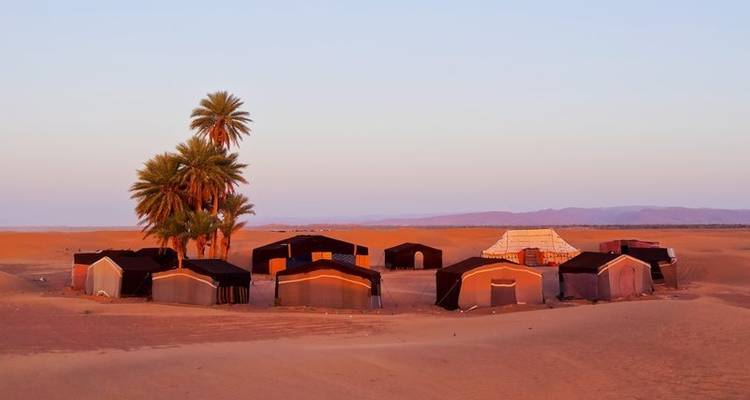
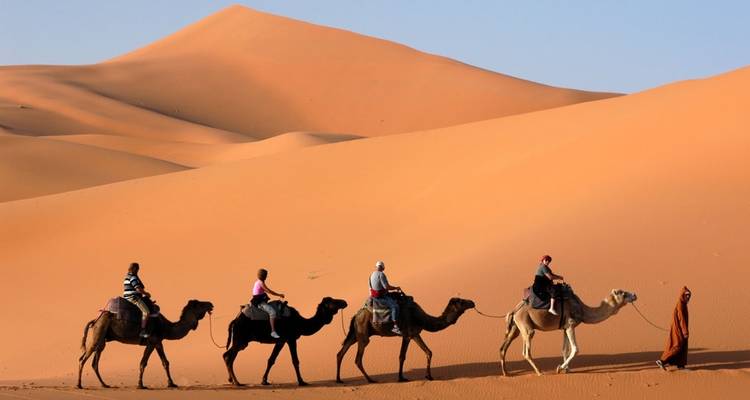
The country suits cultural itineraries, outdoor adventures and culinary explorations. Visitors can trace historic routes in Fes and Marrakesh, enjoy coastal relaxation in Agadir, or venture into the desert from Ouarzazate. The moderate travel cost and visa‑free access for many nationalities make Morocco attractive for both short city breaks and longer, multi‑region journeys.

Morocco view Morocco view

Essential Travel Tips

Book Early

Popular routes and hotels fill quickly in peak season.

Mix Transport

Use trains between cities and local transit inside centers.

Stay Central

Base yourself near a walkable area to save time.

Cash Ready

Some small vendors still prefer cash for smaller purchases.

Pack Smart

Comfortable shoes matter more than anything else.

Frequently Asked Questions

When is the ideal time of year to travel to Morocco? expand_more
The most favorable periods are spring (March to May) and autumn (September to November) when temperatures are mild across the coast, mountains and desert, providing comfortable conditions for sightseeing and outdoor activities.
How many days should I allocate to experience Morocco’s main attractions? expand_more
A itinerary of 10 to 14 days allows enough time to visit key cities such as Casablanca, Rabat, Fes, Marrakesh and Tangier, while also including a desert excursion and a coastal stay.
What are the visa requirements for travelers from the United States and Europe? expand_more
Citizens of the United States, Canada, the European Union and many other countries can enter Morocco without a visa for stays up to 90 days. Travelers from nations without visa‑free agreements must obtain an e‑visa or a traditional visa from a Moroccan consulate before arrival.
What daily budget should I plan for a comfortable trip to Morocco? expand_more
Budget travelers can manage with $50‑$100 per day covering hostels, local meals and public transport. Mid‑range travelers typically spend $100‑$200 per day for private accommodations, restaurant meals and occasional guided tours.
Are there any cultural customs I should respect while visiting Morocco? expand_more
Visitors should dress modestly, especially in religious sites, and greet locals with a handshake or a polite “Salam”. Asking permission before photographing people and respecting prayer times in mosques are also appreciated practices.
Which Moroccan cities are most recommended for first‑time visitors? expand_more
Casablanca, Rabat, Fes, Marrakesh, Tangier and Agadir are the most visited cities, offering a blend of historic medinas, modern amenities, coastal scenery and access to nearby cultural sites.
What climate differences can I expect across Morocco? expand_more
The northern coast enjoys a Mediterranean climate with mild, rainy winters and warm summers. Inland regions such as the Atlas Mountains have a continental climate with cooler winters and hotter summers. The southern Sahara area is arid, featuring very hot days and cool nights.
What types of historic attractions are common in cities like Fes and Marrakesh? expand_more
Both cities feature UNESCO‑listed medinas, traditional souks, historic mosques and palaces. Visitors often explore narrow alleyways, ancient city walls, and vibrant market squares that reflect centuries of Islamic and Berber architecture.
What are the main options for traveling between major Moroccan cities? expand_more
The national railway network (ONCF) connects Casablanca, Rabat, Fes, Marrakech and Tangier with comfortable, timed services. Long‑distance buses and domestic flights are also available, offering flexibility for travelers covering larger distances.
Is public transportation safe for tourists in Morocco? expand_more
Public transport is generally safe, especially trains and reputable bus companies. As with any destination, keep personal belongings secure, avoid traveling alone late at night in unfamiliar areas, and follow local advice.