 Lilshira


Explore Fes, Morocco
Discover the historic heart of Morocco in Fes.
24°C / 75°F
Sunny in Fes
Peak Season
High visitor demand
Fes at a glance
Fes, one of Morocco’s oldest imperial cities, is renowned for its UNESCO‑listed medina, intricate alleyways, and centuries‑old institutions such as the University of Al Quaraouiyine. The city’s blend of medieval architecture, vibrant souks, and living traditions makes it a distinctive destination for travelers seeking authentic Moroccan culture.

Things to Do in Fes
Curated experiences led by local experts.
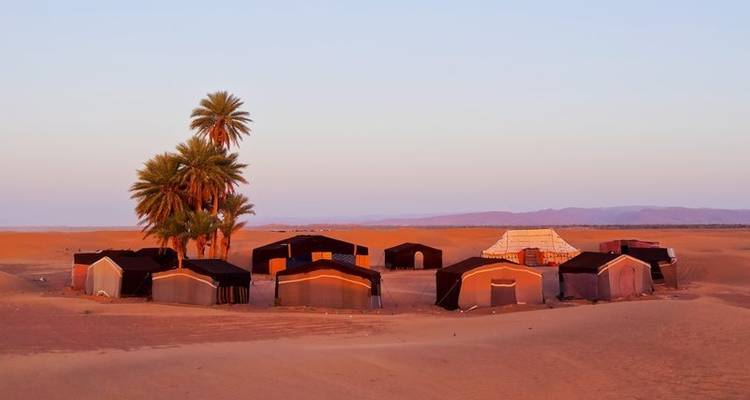
Ultimate Morocco: 14‑Day 4‑Star Cultural Journey
14 Days • Experience
From USD2,150
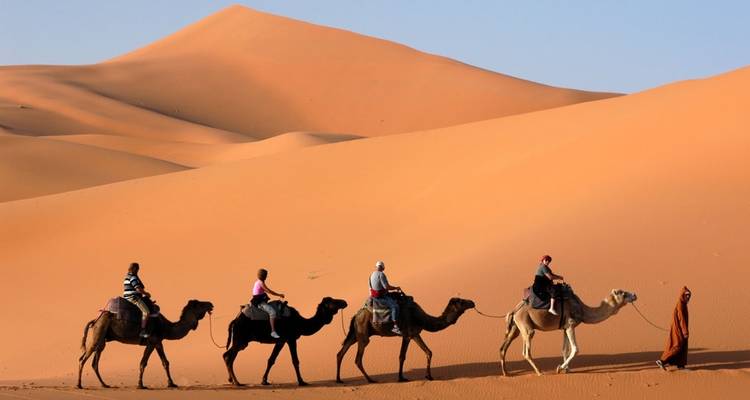
Private 8‑Day Marrakech & Sahara Adventure
8 Days • Experience
From USD1,905

6 Days Best of Morocco (Tanger Marrakech)
6 Days • Experience
From EUR950
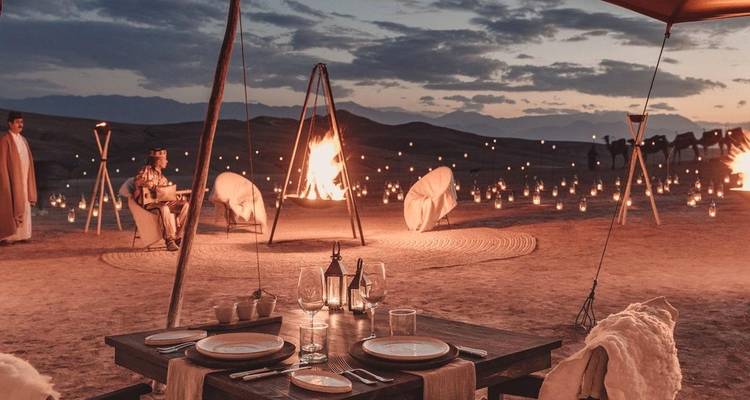
Agafay Desert Dinner show with quad bike and camel Ride
1 Days • Experience
From EUR134
Map View
Explore Fes on the map
Fes
The map is centred on Fes.
Why travel to Fes?
Fes is ideal for cultural and heritage trips, culinary explorations, and educational journeys. Visitors can immerse themselves in historic sites, sample traditional dishes, and engage with local artisans. The city’s compact historic core also suits walking tours, while its proximity to other Moroccan regions supports multi‑city itineraries.
Fes travel blogs
Stories and guides connected to Fes and the surrounding destination.
What is a good itinerary for Morocco? A 10‑14‑day route
A good itinerary for Morocco spans 10‑14 days, combining imperial cities, mountain scenery and desert adventure. Most tr...
What are the hidden gems of Morocco? A guide to secret spots
Morocco’s hidden gems include the blue‑washed town of Chefchaouen, the desert oasis of M’hamid, the rugged Atlas village...
What Should You Know Before Visiting Morocco? A Complete Country Guide
Before you set foot in Morocco, understand the visa requirements, ideal travel seasons, cultural etiquette, transport op...
Is Morocco Safe for Travellers? Essential Safety Overview for First‑Time Visitors
Yes, Morocco is considered safe for travellers when common sense is applied. Most tourists experience smooth journeys, w...
What is the best time to visit Morocco? A complete seasonal guide
The optimal time to visit Morocco is during spring (mid‑March to early May) or autumn (late September to early November)...
How many days are enough to visit Morocco? Find the perfect itinerary
A 10‑ to 12‑day itinerary is generally enough to experience Morocco’s highlights without feeling rushed. This span lets...
More in Morocco
Browse more city pages across Morocco.