 Lilshira


Discover Tangier, Morocco
A coastal city where Mediterranean charm meets historic streets.
24°C / 75°F
Sunny in Tangier
Peak Season
High visitor demand
Tangier at a glance
Tangier sits at the north‑west tip of Morocco, overlooking the Strait of Gibraltar. Its position as a historic port has created a blend of African, European, and Arab influences visible in architecture, markets, and daily life. The city’s waterfront, medina, and cultural landmarks make it a distinctive gateway between continents.

Things to Do in Tangier
Curated experiences led by local experts.
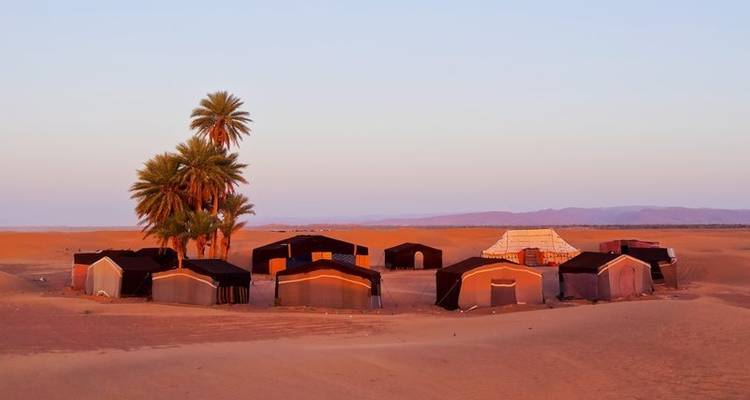
Ultimate Morocco: 14‑Day 4‑Star Cultural Journey
14 Days • Experience
From USD2,150
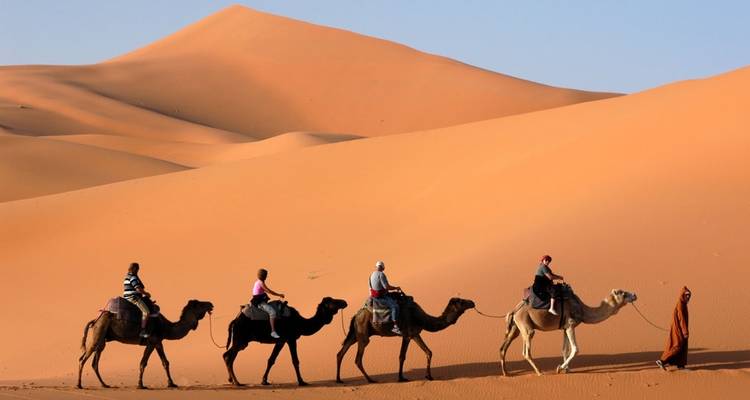
Private 8‑Day Marrakech & Sahara Adventure
8 Days • Experience
From USD1,905

6 Days Best of Morocco (Tanger Marrakech)
6 Days • Experience
From EUR950
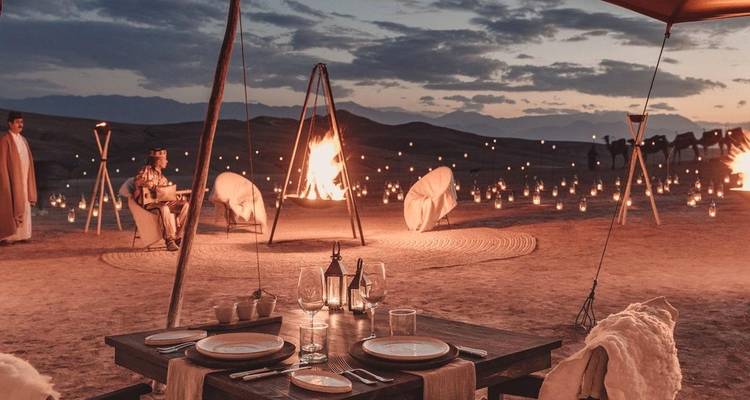
Agafay Desert Dinner show with quad bike and camel Ride
1 Days • Experience
From EUR134
Map View
Explore Tangier on the map
Tangier
The map is centred on Tangier.
Why travel to Tangier?
Tangier works well for travelers seeking cultural immersion, coastal scenery, and easy access to both historic sites and modern amenities. Visitors interested in exploring historic neighborhoods, sampling Mediterranean cuisine, or using the city as a base for day trips to nearby beaches and natural landmarks will find the mix of heritage and sea‑side atmosphere fitting for short breaks or longer stays.
Tangier travel blogs
Stories and guides connected to Tangier and the surrounding destination.
What are the hidden gems of Morocco? A guide to secret spots
Morocco’s hidden gems include the blue‑washed town of Chefchaouen, the desert oasis of M’hamid, the rugged Atlas village...
What Should You Know Before Visiting Morocco? A Complete Country Guide
Before you set foot in Morocco, understand the visa requirements, ideal travel seasons, cultural etiquette, transport op...
Is Morocco Safe for Travellers? Essential Safety Overview for First‑Time Visitors
Yes, Morocco is considered safe for travellers when common sense is applied. Most tourists experience smooth journeys, w...
What is a good itinerary for Morocco? A 10‑14‑day route
A good itinerary for Morocco spans 10‑14 days, combining imperial cities, mountain scenery and desert adventure. Most tr...
What is the best time to visit Morocco? A complete seasonal guide
The optimal time to visit Morocco is during spring (mid‑March to early May) or autumn (late September to early November)...
How many days are enough to visit Morocco? Find the perfect itinerary
A 10‑ to 12‑day itinerary is generally enough to experience Morocco’s highlights without feeling rushed. This span lets...
More in Morocco
Browse more city pages across Morocco.