Lilshira


Florence or Venice: How to Choose the Right City
Back to articles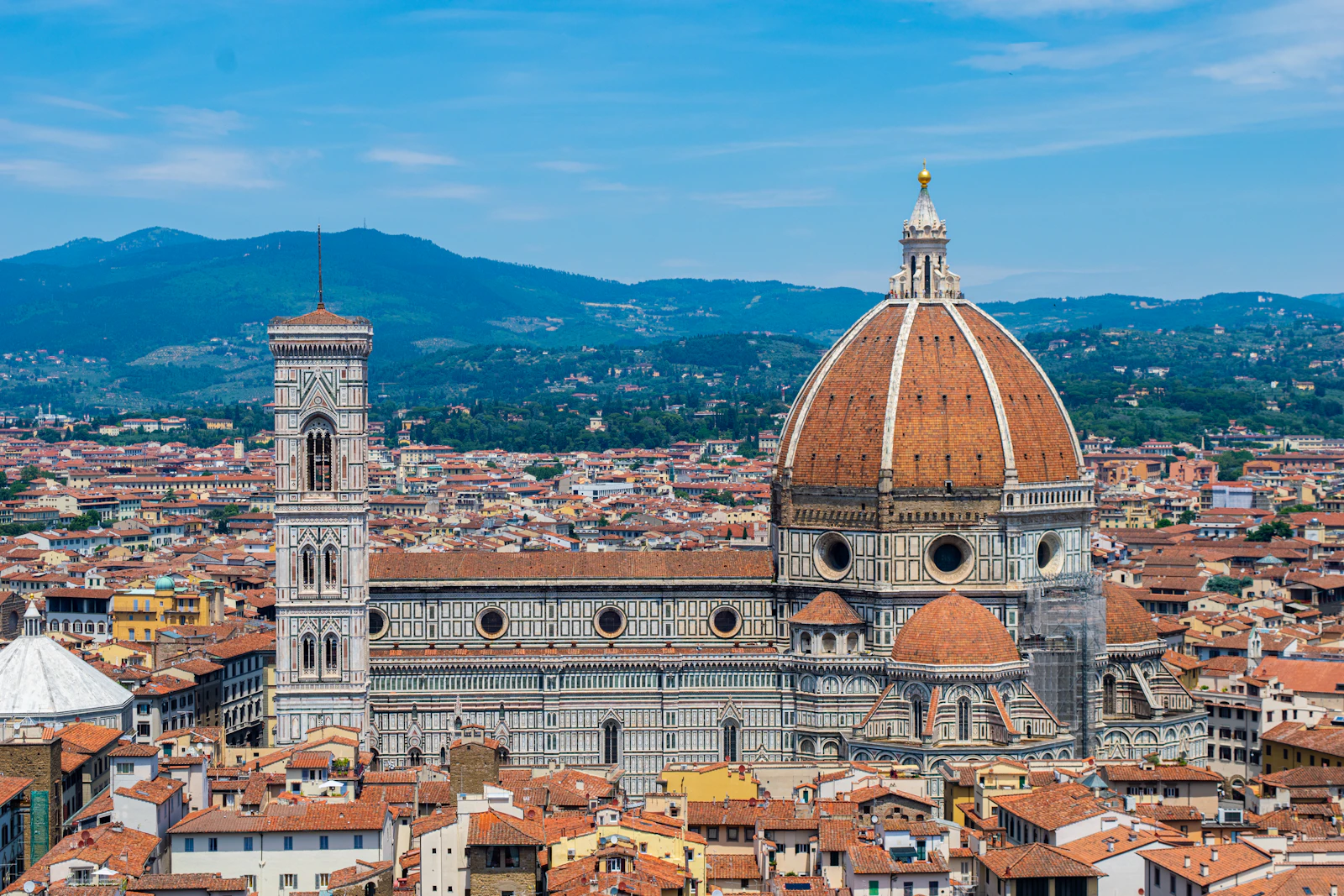
On this page
- Florence or Venice Italy: which city fits your trip?
- Walking, boats and bridges: how each city works
- The Uffizi, the Accademia and what Venice shows instead
- Which city to visit first
- A Florence and Venice itinerary that holds together
- A Venice day trip from Florence: is it worth it?
- Tuscany vs Venice: countryside or lagoon
- Where Venice is the stronger choice
- Where Florence is the stronger choice
- Costs: what each city asks of your budget
- Crowds, queues and rules that keep changing
- When to go: a month-by-month read
- Where to stay, and what it changes
- Frequently asked questions
Florence or Venice comes down to what you want from a trip: choose Florence for Renaissance art, Tuscan food and day trips, and Venice for canals, early mornings and a setting no other city matches. The two suit different travelers, and neither is the better city in general.
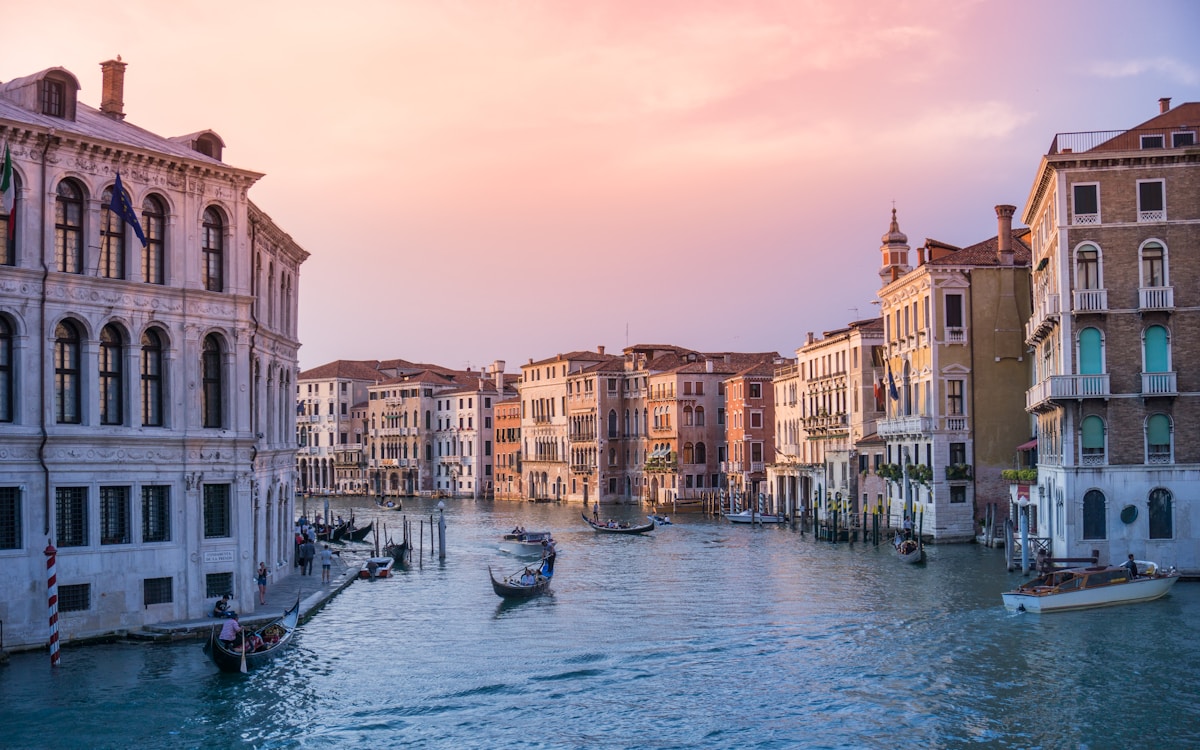
Florence or Venice Italy: which city fits your trip?
Six questions usually decide it, and each one points to a city. Use them as a filter, then read the sections that follow for the detail behind each line.
- Is art the main event? Florence. You can walk from one major collection to the next in a morning and still have the afternoon free.
- Do you want the city itself to be the sight? Venice. There is no single must-see to tick off; the canals, the light and the empty lanes carry the visit.
- Do you want countryside day trips? Florence. Tuscany starts at the edge of the city, with hill towns and wine country within a day's reach.
- Do you want water and islands? Venice. The lagoon islands are a half day each and give the trip a second layer.
- Are you traveling with young children or heavy bags? Florence. Stone streets and a flat center are simpler than bridges, steps and water buses.
- Is budget the constraint? Florence, generally, because Venice charges a premium for space and for a view of water.
The honest summary is that Florence is the easier city to visit and Venice is the more singular one. What decides it is the shape of your trip: how many nights you have, where you are arriving from, and whether you would rather spend a day in a museum or on a boat. Our Italy destination guide shows how the route connects to the rest of the country.
Walking, boats and bridges: how each city works
Walking is the main way you move in both cities, but what you walk on and what you cross are completely different.
In Venice the historic center has no cars, so distance is measured in bridges and turns rather than in streets. You follow a calle, cross a small square, and come out on a fondamenta beside a canal. The Grand Canal is the main artery: water buses run its length, a few bridges cross it, and at certain points a traghetto gondola takes you from one bank to the other for a short crossing. Signs on walls point to the Rialto, San Marco and the station rather than to street names, and getting lost is part of how the city works.
Florence is compact in a different way. The Duomo sits at the center, the Arno runs along the southern edge, and most of the historic core fits inside a walk of twenty minutes from one side to the other. Trams and buses reach the edges, and the main train station is a short walk from the center, which makes arrival simple. The trade-off is height: the Oltrarno and the viewpoints above the city rise quickly, and summer heat makes the stone streets feel hotter than the lanes beside Venice's water.
In both cities, comfortable shoes matter more than any transport pass. In Venice, pack light enough to carry your bag over a bridge; in Florence, expect cobbles and long spells standing in museum queues.
The Uffizi, the Accademia and what Venice shows instead
The Uffizi and the Accademia give Florence the deeper collection, while Venice spreads its art across churches, palaces and one strong gallery.
In Florence, the Uffizi carries the Renaissance in sequence, from Botticelli and Leonardo to Raphael and Caravaggio, and a half day there is the minimum that feels unhurried. The Accademia is smaller and quieter, built around Michelangelo's David and the unfinished figures that lead to it; reserve a timed slot and give it an hour or two rather than a morning. The Duomo complex adds Brunelleschi's dome, the baptistery and a museum that explains how the dome was built, and the churches of Santa Croce and Santa Maria Novella hold frescoes most visitors walk past.
Venice answers with a different kind of art. San Marco Basilica is a single enormous mosaic, the Doge's Palace is a seat of power with paintings that justify it, and the Accademia galleries follow Venetian painting from Bellini through Titian to Tintoretto. The Scuola Grande di San Rocco holds a Tintoretto cycle in one room after another, and the Peggy Guggenheim Collection puts modern work beside the Grand Canal.
If you have one wet day in Florence, choose the Uffizi and one church. If you have one wet day in Venice, choose the Doge's Palace and let the water do the rest.
Timed entry and closing days change through the year, so confirm them on each museum's official site before you build a day around one collection. For the city itself, our Florence guide covers what sits within walking distance.
Which city to visit first
Visit Florence first if you are arriving from Rome, and Venice first if you land at Venice's airport or want the calm mornings before the crowds.
Route geography decides most of this. Rome sits south of both cities, and the high-speed line runs Rome to Florence in roughly an hour and a half, then Florence to Venice in a little over two hours. Coming from Rome, Florence is the natural first stop and Venice the end of the line. Coming from Milan, either order works, because direct trains reach both.
Arrival airports matter just as much. Florence's airport is small and close to the center, with a tram link, while Venice's airport sits on the mainland and connects by bus or by boat. Treviso, used by some low-cost carriers, is further out and needs a bus. An open-jaw ticket, into one city and out of the other, removes a return leg and is usually the simplest way to see both.
There is also a logic to the sequence. Florence explains the Renaissance, the money and the workshops that produced it; Venice explains the maritime republic that turned trade into a city of stone and water. Seeing Florence first makes the Venetian palaces read as a different answer to the same century. Neither order is wrong, and the art does not require it, but the context helps.
For a first trip, Florence first suits travelers who want structure and a clear list of sights. Venice first suits anyone who wants the trip to open quietly and build toward the busier city. If Rome is also on the route, our Rome city guide shows where it fits.
A Florence and Venice itinerary that holds together
Build the route in one direction, Florence to Venice or the reverse, and the trip stops doubling back.
Six days is a comfortable shape: three in Florence, two in Venice, with the travel morning between them. This version starts in Florence and ends in Venice, which suits an open-jaw ticket.
- Day 1, Florence on foot. Start at the Duomo, walk to Piazza della Signoria and Santa Croce, then cross the river for an evening in the Oltrarno.
- Day 2, the museums. Book the Uffizi for the first slot and the Accademia for late afternoon, with a long lunch in between instead of a third museum.
- Day 3, Tuscany. Take a day trip to Pisa, Siena or the Chianti hills, or stay in Florence for San Lorenzo market and the Boboli Gardens.
- Day 4, transfer. Take a morning high-speed train to Venice, leave the bags, and spend the afternoon in Cannaregio and around the Rialto market.
- Day 5, Venice early. Reach San Marco before the day visitors arrive, visit the Basilica and the Doge's Palace, then cross to Dorsoduro and finish with a water bus ride along the Grand Canal at dusk.
- Day 6, the lagoon or the airport. Use the morning for Murano or Burano, or keep it free for a last walk before the flight.
Two rules keep it workable: book the train and the two Florence museums before you leave, and keep the Venice days loose, because the city rewards an unplanned hour.
With more time, add a day for the Venetian islands and a day for a second Tuscan trip. With less, cut the Tuscany day rather than the Venice overnight. The Milan guide covers the next stop north.
A Venice day trip from Florence: is it worth it?
A day trip works, but it buys a first look at Venice rather than a visit, and the difference matters.
The train is the practical way to do it. High-speed services leave Florence's Santa Maria Novella station for Venezia Santa Lucia in a little over two hours, and the station in Venice opens directly onto the Grand Canal, so you are in the city the moment you step out. Book a return train before you go, take the earliest departure you can manage, and plan to be back on the platform by early evening.
A day gives you enough for a first circuit:
- The Grand Canal by water bus from the station toward San Marco, which shows you the palazzi in the order the city was built.
- San Marco and the Rialto on foot, with the Basilica only if you have booked entry in advance.
- Cannaregio for a quieter hour, a canal-side lunch and the streets where Venetians still live.
- One small museum or church, not two, because the walking between them is the point.
What the day does not give you is the evening and the early morning, Venice's best hours, and the islands, which need half a day each. It also leaves no room for getting lost, which is one of the things Venice does best.
If you can, sleep one night instead. The cost of a room is usually less than the value of the two hours you gain at each end of the day. If a single day is all your schedule allows, choose two anchors and accept that the rest of Venice waits for next time. When Rome is also on the itinerary, our guide to how many days in Rome helps you size that stop against this one.
Tuscany vs Venice: countryside or lagoon
Tuscany and Venice answer different wishes, and neither is a substitute for the other.
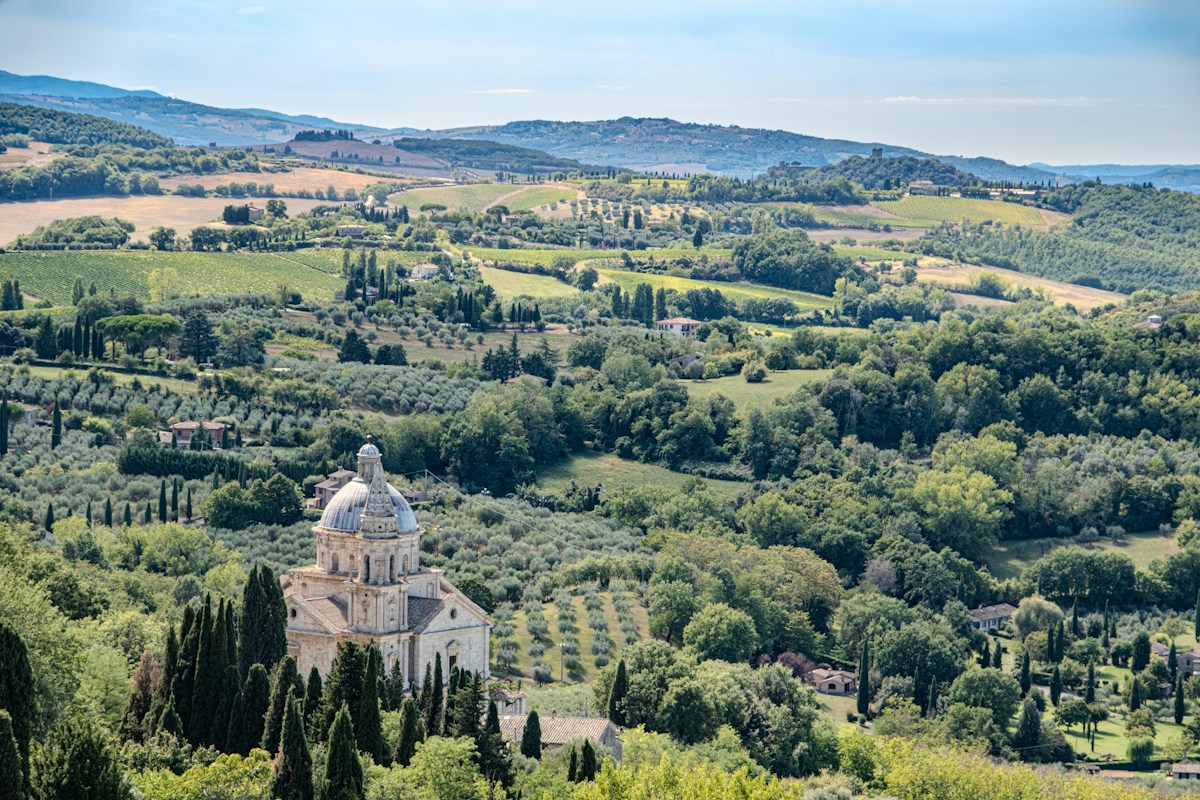
From Florence, Tuscany is a set of day trips rather than a single place. Pisa is close enough for a half day and pairs easily with Lucca; Siena needs most of a day and rewards an early start; San Gimignano and the Chianti hills work best with a car or an organized tour, because the villages sit off the main rail lines. The appeal is landscape and food as much as art: wine, olive oil, hill towns and long lunches.
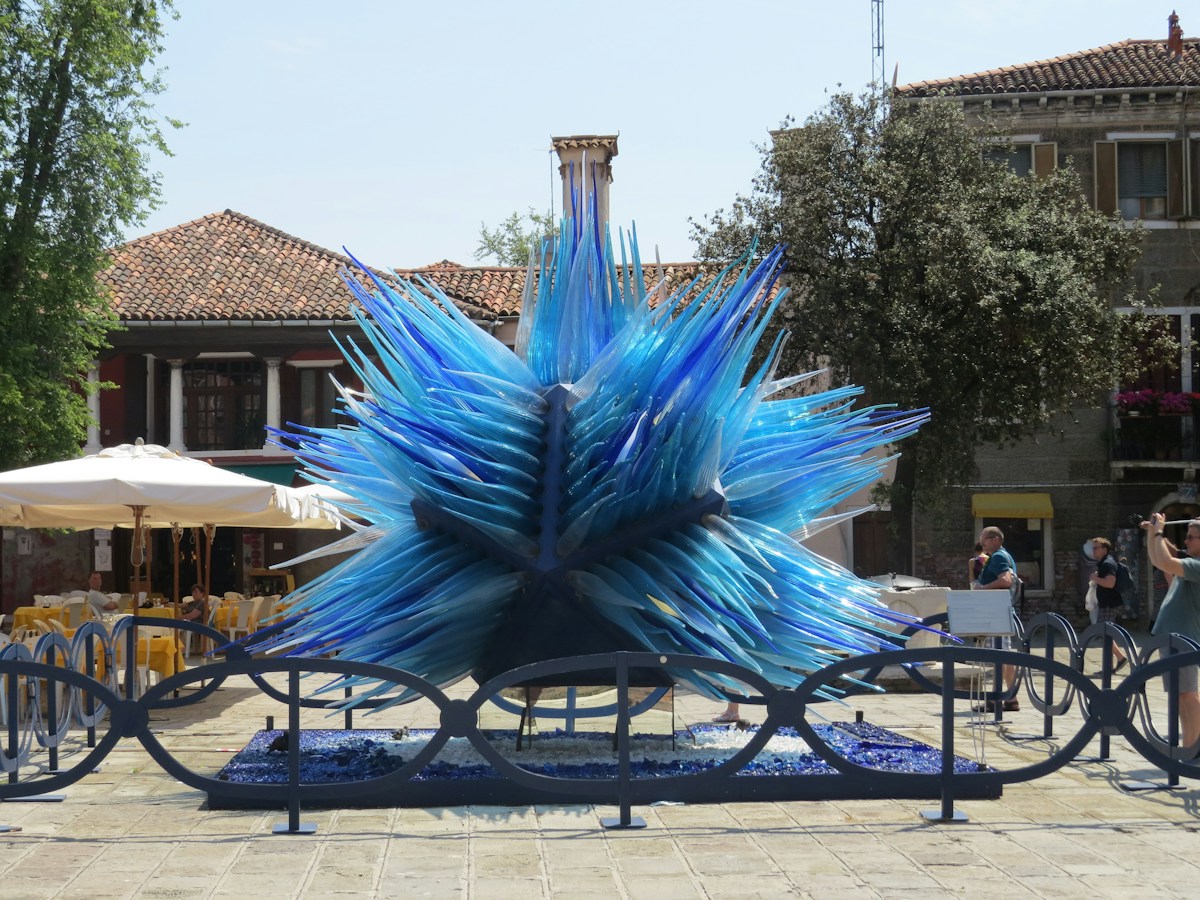
From Venice, the lagoon islands do the same job in a different key. Murano is the glass island, where furnaces and showrooms sit along canals; Burano is colour and lace, with painted houses that photograph better than they sound; Torcello holds one of the oldest churches in the lagoon and almost no crowd. The three fit into a half day or a full one, depending on how long you linger.
Murano's craft has a wider reach than the island. The art of glass beads is listed by UNESCO as intangible cultural heritage, and the listing explains the technique, the tools and how the knowledge passes between generations, which is worth reading before you watch a demonstration.
Choose Tuscany if the trip you want involves hills, wine and medieval streets, and you are happy to use trains, buses or a car. Choose the lagoon if you want water, craft and islands, and you would rather not leave the Venetian lagoon at all.
Where Venice is the stronger choice
Venice wins on atmosphere, especially in the hours when the day visitors have gone.
The city changes twice a day. In the early morning, before the groups arrive, the lanes are empty and the light comes off the water; in the evening, after the last afternoon trains leave, the squares fill with residents and the restaurants stop rushing. Anyone who sleeps in Venice gets both, and those two windows are the reason to choose it over a cheaper base on the mainland.
It is also the rare city where the setting does the work. There is no single sight you must tick off, so a day can be a water bus ride, a walk through Cannaregio, a plate of cicchetti and a church you found by accident. Photographers get reflections, fog and water light that few cities offer; couples get the cliché and, on a quiet morning, the reality behind it. The lagoon islands add a second layer that Florence cannot match.
Venice suits slow travelers, photographers, couples and repeat visitors who have already done the museum circuit elsewhere. It suits anyone who would rather sit on a boat than stand in a queue.
It is a harder city for strollers, heavy luggage and short tempers, and the midday crowds in the San Marco area can wear down even a patient traveler. Go in with that expectation and the city still delivers what people come for.
Where Florence is the stronger choice
Florence wins on substance and convenience: more to see, more to eat, and a city that is easier to use.
The concentration is the argument. Within a short walk you can see the Uffizi, the Duomo, Santa Croce, the Bargello and the river, and the Accademia is a ten-minute walk from the center. No other city of its size packs that much into a morning, and the result is that a rainy day still has somewhere to go.
Food and wine follow the same pattern. Tuscan cooking is simple and seasonal, the market at San Lorenzo and the streets of Santo Spirito cover most budgets, and the Chianti hills are close enough for a lunch that turns into an afternoon. Florence is also the better base for day trips, with Pisa, Siena and Lucca all reachable without a car.
Practicality matters as much as culture. The center is flat, the train station is central, the airport is close, and the city works with children and with luggage in a way Venice does not. Off-season prices are lower, and the shoulder seasons are long.
Anyone weighing Venice or Florence Italy for a first trip will notice that Florence asks less of you. You can arrive tired, drop the bags and be at the Duomo in twenty minutes. That ease is not glamorous, but on a short trip it decides how much you actually see.
Costs: what each city asks of your budget
Costs differ in a predictable way, and the gap widens with the season rather than with your taste.
Think in bands rather than totals, and treat every band as approximate:
- Budget — Florence: guesthouses and hostels around Santa Maria Novella or just outside the center, market food and one paid sight a day. Venice: a room in Mestre or on the quieter edge of Cannaregio, water buses instead of taxis, cicchetti and pizza by the slice.
- Mid-range — Florence: a central three-star with more space for the money. Venice: the same budget buys a smaller room, and a canal view adds a premium that is rarely worth it for two nights.
- Premium — Florence: a suite or a villa with a view over the city. Venice: a palazzo hotel on the water, where the price reflects the address more than the room.
What moves the total, in order: the season first, then location and view, then transport, then tickets and the city tourist tax. The season matters more than the city. A peak week in Florence can cost more than a quiet week in Venice, and the reverse is true in different months.
Check the current city tourist tax, the water bus pass options and museum prices on the official sites before you book, because all three are revised regularly. The same applies to train fares, which rise as departure approaches.
Crowds, queues and rules that keep changing
Both cities are busy, but Venice regulates its visitors more actively, and those rules are revised from year to year.
Venice now asks day visitors to book and pay an access contribution on selected peak dates. The calendar, the exemptions and the price are set annually, so check the city's official tourism pages before you book travel rather than relying on last year's rules. Rules on guided groups and on amplification in the historic center have also been tightened, which affects anyone planning a walking tour.
Florence manages the problem through timed entry instead. The Uffizi, the Accademia and the Duomo complex all sell slots, and the most convenient ones go first in peak season. Book on the official museum sites, not through a reseller, and recheck closing days closer to your date, because they change with the season and with restoration work.
The practical response is the same in both cities. Sleep in the center so you get the early and late hours, book the one interior you care about most, and leave the middle of the day for a long lunch, a church or a boat ride. Walk the famous route at the opposite time to everyone else: San Marco at opening, the Duomo at closing.
These measures are not obstacles so much as a schedule. Plan around them and the crowds become background rather than the main event. Anyone adding Rome can use Rome guided tours to cover the ancient core quickly.
When to go: a month-by-month read
Treat the calendar as a set of bands rather than fixed dates, because the two cities peak at slightly different times.
- January — cold and quiet in both; the cheapest month, with the shortest museum queues in Florence and fog in Venice.
- February — Carnival fills Venice in the weeks before Lent and its dates move each year; Florence stays calm and good value.
- March — warming and changeable; a strong shoulder month for both cities before the spring crowds.
- April — Easter pushes prices and crowds up; Florence is at its best when the weather holds.
- May — long days and mild heat; one of the best months for walking in either city.
- June — warm and lively; Venice feels humid, Florence hot by afternoon.
- July — hot and busy in both; start early, rest at midday and book everything.
- August — the hottest and busiest stretch, with some family-run places closed around the public holiday; Venice at least has the lagoon breeze.
- September — warm, settled and still busy early; a strong month for both.
- October — the classic shoulder month, mild in Florence and riskier for high water in Venice as autumn advances.
- November — quiet and often wet; Venice enters its high-water season and Florence turns to olive oil and truffles.
- December — cold and festive; Venice is quiet outside the holidays, Florence fills for Christmas shopping.
Peak, shoulder and low season shift with Easter, school holidays and major events, so confirm the exact dates for your year before booking flights, trains and timed entries.
Where to stay, and what it changes
Where you sleep decides which sights you reach first and whether your evenings are quiet or busy.
In Florence, the choice is between the center and the Oltrarno:
- Duomo and Piazza della Signoria — the most central and the busiest; everything is walkable, and you pay for the address.
- Santa Croce — lively, with good evening food and a short walk to the river.
- San Lorenzo — the market neighborhood, close to the station and good value for the location.
- Oltrarno and Santo Spirito — quieter, more local, and the best base if you want evenings away from the crowds.
- Santa Maria Novella — practical for trains and the airport tram, with cheaper rooms than the core.
In Venice, the trade-off is between centrality and calm:
- San Marco — the postcard address, expensive and crowded by day, magical before breakfast.
- Cannaregio — local life, easy access from the station and a strong evening food scene.
- Dorsoduro — museums, quieter squares and a university feel.
- San Polo and Santa Croce — around the Rialto market, central and lively.
- Giudecca — across the water, calm and often better value, with a short boat ride to the center.
Two checks matter in Venice: how many bridges sit between the water bus stop and the door, and whether the room is on the ground floor, which matters when high water arrives. In Florence, check whether the address sits inside the limited traffic zone and how far the nearest tram or bus stop is. Read recent reviews for both, since standards vary more between individual buildings than between neighborhoods.
Frequently asked questions
Can you visit Florence and Venice in one week?
Yes, and a week is a good length for both. Give Florence four nights and Venice three, or the reverse, and book an open-jaw ticket so you arrive in one city and leave from the other. Adding Rome to the same week makes all three rushed, so keep Rome for a separate trip or extend to nine or ten days.
Which city is easier to manage with luggage?
Florence, by a wide margin. Streets are flat and the station is central, while Venice means bridges with steps, crowded water buses and narrow alleys. Pack light enough to carry your own bag, ask your hotel about porter help, and avoid the water bus at peak hours when space is short.
Is Venice accessible for travelers with limited mobility?
Partly. The main water bus stops and many routes are step-free, but bridges and narrow streets remain the obstacle, and not every hotel has a lift. Plan a route with fewer bridges, check access with your hotel before booking, and confirm accessible boat services with the local transport operator, whose arrangements change.
What should you wear at the Duomo and St Mark's Basilica?
Both ask for covered shoulders and knees, and both turn people away at the door, so carry a light scarf or shirt. Lines move faster when you are dressed for entry, and security checks add time. Entry rules and opening days change through the year, so confirm them on each site's official page before you go.
Is it better to sleep in Venice or stay on the mainland?
Sleeping in Venice buys the early morning and the late evening, Venice's best hours, and it removes the last-train worry. Staying in Mestre or near the airport is cheaper and convenient for an early flight, but you trade the atmosphere for the saving. For two nights or more, staying on the island is usually worth it.