Lilshira


Hanoi or Ho Chi Minh City: Which to Visit First?
Back to articles
On this page
- The two cities at a glance: which one fits your trip?
- Hanoi vs HCMC: how do the two cities compare?
- Which city in Vietnam first? Arrivals, flights and jet lag
- Where to stay in Hanoi and Ho Chi Minh City
- North Vietnam from Hanoi: Ninh Binh, Sa Pa and Halong Bay
- Hanoi vs Sa Pa: choosing a base for the mountains
- South Vietnam from Ho Chi Minh City: the Mekong Delta and Cu Chi
- Hanoi or Hoi An: where does the centre fit?
- Vietnam south or north: which half fits your dates?
- If you can only pick one half: north or south?
- Where to start in Vietnam if you only have one city
- Doing both cities: what order works best?
- Hanoi or Ho Chi Minh City: costs and who each suits
- Is Hanoi or Ho Chi Minh City safe for travellers?
- Frequently asked questions
Hanoi or Ho Chi Minh City is a choice between Vietnam's historic north and its modern south, and either works as a first stop. Pick Hanoi for the Old Quarter, lake cafés and a cool winter. Pick Ho Chi Minh City for heat, war history, rooftop bars and the Mekong Delta.
The two cities at a glance: which one fits your trip?
Hanoi and Ho Chi Minh City sit at opposite ends of Vietnam, and the quickest way to choose is to recognise which list sounds like your trip.
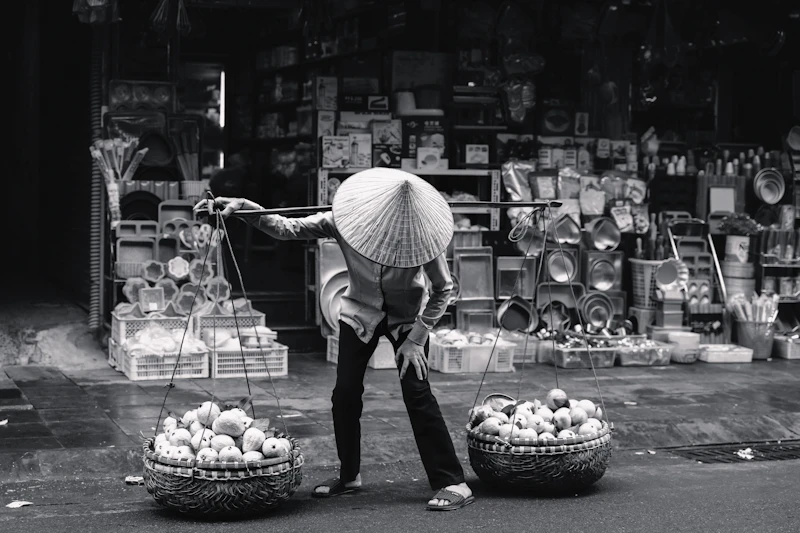
- Pick Hanoi if you want the older city: the Old Quarter's tangle of lanes, Hoan Kiem Lake at dawn, dynastic temples and a cool, misty winter that makes walking comfortable. Hanoi rewards slow travel, café mornings and onward trips to the mountains and the bay.
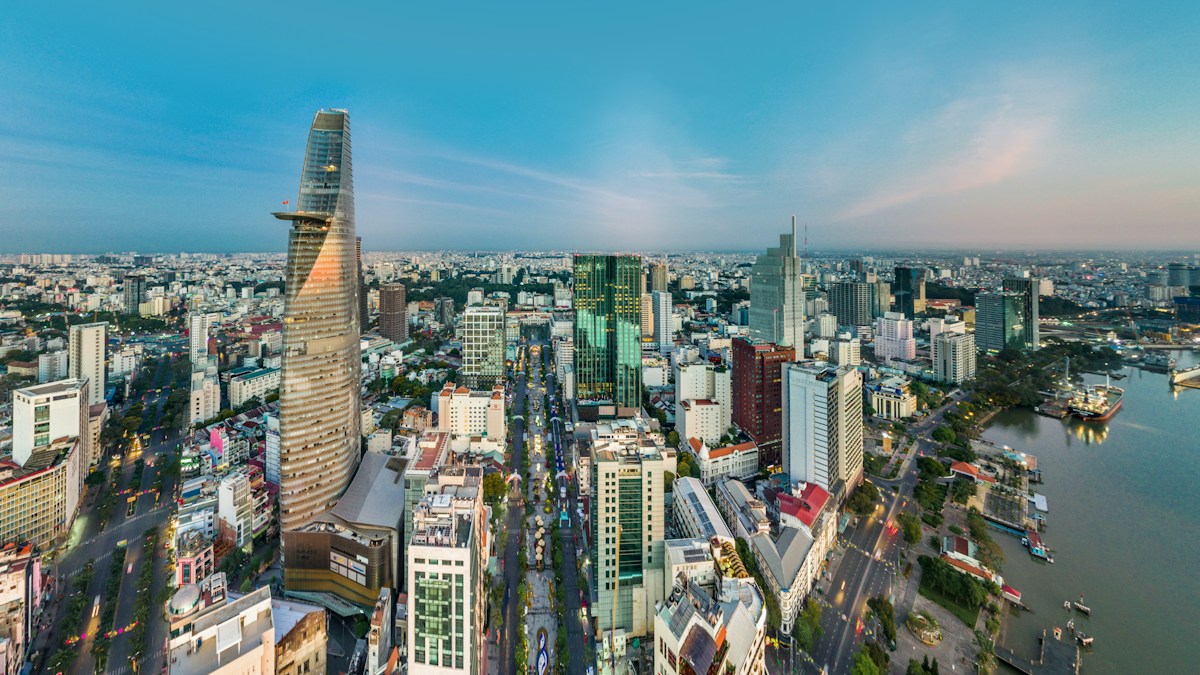
- Pick Ho Chi Minh City if you want the bigger, hotter, more modern city: a tower skyline, a dense street-food and rooftop-bar scene, the most direct history of the war, and fast access to the Mekong Delta and the southern coast. It delivers a strong first impression in a short stay.
- Pick both if you have two weeks or more: fly into one city, travel the length of the country, and fly out of the other.
Geography settles part of the argument. The two cities are roughly the length of the country apart, so this is not a day trip between them; it is a decision about which half of Vietnam you build the trip around. The north is cooler, greener and more traditional. The south is warm year-round, flatter and more commercial. Both are affordable by Western standards and both have excellent food. What separates them is pace, weather and what sits within reach.
If you are still undecided, the honest position is that neither city is the better one in general, only better for a given trip. The two lists above are the same argument seen from opposite ends.
Hanoi vs HCMC: how do the two cities compare?
Pace, weather, food and cost separate the two cities more than any landmark does, so the honest answer depends on what you want from a day.
- Weather — Hanoi has four seasons, with a genuinely cool winter and a humid summer. Ho Chi Minh City is tropical: hot all year, with a dry season and a wet season rather than winter and summer.
- Pace and layout — Hanoi is compact and walkable around the lake and the Old Quarter. Ho Chi Minh City spreads across districts, so rides matter more than walking.
- Food — northern cooking leans to lighter broths, grilled meats and egg coffee; southern cooking is sweeter, herb-heavy and broader, with more international restaurants.
- History — Hanoi carries the dynasties and the colonial French Quarter. Ho Chi Minh City carries the war and the sites built around it.
- Getting around — ride-hailing apps and metered taxis work in both; Hanoi is easier on foot, Ho Chi Minh City easier by ride.
- Nightlife — Hanoi's evenings are bia hoi corners, jazz bars and the lake; Ho Chi Minh City runs later, with rooftop bars and clubs.
The pattern is simple. Choose Hanoi if you like a city you can walk. Choose Ho Chi Minh City if you like a city that keeps moving after midnight.
Language matters a little in both. English is widely understood at hotels, cafés and tour desks, while a few words of Vietnamese go a long way with taxi drivers and market traders. Phrasebooks and a phone map cover nearly everything else.
Which city in Vietnam first? Arrivals, flights and jet lag
The answer really turns on flights and the first twenty-four hours rather than on the cities themselves. Both have large international airports, so either can be your gateway; the difference is what waits on the other side of arrivals.
Flying in from Europe or the Americas, most travellers lose a day to jet lag whichever city they land in. The gentler introduction is usually Hanoi. The cooler air, a compact centre and a lake to circle make it easy to spend the arrival afternoon on foot while your body clock resets. Ho Chi Minh City can feel overwhelming on day one — heat, traffic and a sprawl of districts — which is energising when you are fresh and tiring when you are not.
Flight pricing often decides the direction. An open-jaw ticket, landing in one city and leaving from the other, removes a long backtrack later, and it is usually worth the small extra cost. If you are locked into a return flight, choose the city nearest the part of the country you care about most, and treat the rest as a separate trip.
Transfers are similar in both. The airport sits outside the centre and the ride in is a metered taxi or a ride-hailing car rather than a train; neither is far and neither is expensive by international standards. An evening arrival is easier in either city if you have already picked the district to sleep in, rather than deciding at the kerb.
Where to stay in Hanoi and Ho Chi Minh City
Staying in the right part of each city shapes the whole trip, because the two are laid out very differently and the neighbourhood decides how much you walk, what you pass on the way home and how quickly you can reach the day trips.
- Hanoi — the Old Quarter — the densest choice, a grid of lanes just north of Hoan Kiem Lake that puts street food, cafés and the water's edge within a short walk. Best for a first visit and for anyone who wants the evenings on foot.
- Hanoi — the lake and the French Quarter — quieter and leafier, with wider streets, colonial buildings and several of the city's museums close by. Best if you want calm nights and an easy walk into the old centre.
- Ho Chi Minh City — the central districts and the Ben Thanh area — the practical centre, where the market, the riverfront and many of the sights sit within a short ride. Best for a short stay and for travellers who want to be in the middle of the city.
- Ho Chi Minh City — beyond the centre — the city spreads across its districts, and staying further out trades space and quiet for longer rides each day. Best for a slower stay or a base near the airport.
In Hanoi the choice is between being inside the tangle or just beside it; in Ho Chi Minh City it is between dense walkability and a longer ride each morning. Whichever you pick, book the first night close to where you land, then let the rest of the route decide the other nights.
North Vietnam from Hanoi: Ninh Binh, Sa Pa and Halong Bay
Beyond the city, the north of Vietnam is where the landscapes are most dramatic, and Hanoi is the base that puts them within a few hours.
- Halong Bay — limestone islands on calm water, best seen on an overnight boat so you catch both sunset and sunrise rather than a rushed day trip.
- Ninh Binh — river boat rides between karst towers, temple stairs and quiet lanes; reachable as a long day trip or better as an overnight.
- Sa Pa — terraced valleys and mountain villages in the far north-west, cooler than the lowlands and a base for trekking and homestays.
- Ha Giang — the far northern loop for travellers who want days of mountain road and remote markets rather than a short excursion.
Each of these places has its own character. Halong Bay is about water: limestone islands rising from a calm sea, and the pleasure of being out on a boat as the light changes. Ninh Binh is about land and rivers, karst towers standing over flooded fields and narrow lanes, best seen from a small boat or a bicycle. Both lie close to Hanoi and reward a night out rather than a rushed round trip.
Sa Pa and Ha Giang sit further out, in the highlands toward the northern border. Sa Pa is the more established of the two, a hill town above terraced valleys ringed by villages, where the walking and the valley views are the point. Ha Giang is wilder and emptier again, a loop of mountain passes and small market towns at the very edge of the country. Our guide to Hanoi covers the city you return to between them.
Hanoi vs Sa Pa: choosing a base for the mountains
If the mountains are the reason for the trip, the real question is whether to sleep in them or commute to them. Hanoi works as a lowland base with the north within reach; Sa Pa works as a mountain base with the walking at the door.
- Access — Hanoi is the transport hub: flights, trains and buses all start there, and the bay and Ninh Binh are straightforward day or overnight trips. Sa Pa takes a committed journey: an overnight train to Lao Cai followed by a road transfer up, or a long sleeper bus or private car on winding mountain roads.
- Altitude and weather — Sa Pa sits high enough to be noticeably cooler than Hanoi, with mist, heavy rain in summer and genuine cold in winter. Hanoi, lower down, is milder in winter and humid in summer.
- The base itself — Sa Pa is a small town surrounded by villages and terraced valleys, with markets and homestays; Hanoi is a capital with museums, cafés and evening life.
- What each suits — Hanoi suits travellers who want the mountains as one part of a city trip, and anyone who prefers a hotel bed, restaurants and short walks. Sa Pa suits walkers who want full days on trails, village stays and quiet evenings, and who do not mind a rough road to get there.
The trade-off is time against immersion. A Hanoi base gives you more options when the weather turns; a Sa Pa base gives you mornings in the valley instead of a bus. Three or four days is enough for either, but only one of them puts you on the trail before the day trippers arrive.
Check mountain conditions before you commit, because fog, rain and road repairs can cancel a trek or delay a transfer; confirm train and bus times and any guide arrangement with a local operator.
South Vietnam from Ho Chi Minh City: the Mekong Delta and Cu Chi
Ho Chi Minh City is the better base for the south, where the draw is the delta and the coast rather than mountains, and much of it sits within a half-day of the centre.
- Mekong Delta — boat trips along canals and backwaters, floating markets and orchard stops; a long day trip, or better an overnight for the earliest market.
- Cu Chi Tunnels — the wartime tunnel network on the edge of the city, the most common half-day excursion and a counterpoint to the city's war museums.
- Ben Thanh Market — the central market, a landmark for a first look at southern produce, food and goods; liveliest in the morning.
- The southern coast — beaches a few hours away by road or rail, useful as a wind-down at the end of a north-to-south route.
The city itself is a working metropolis rather than a preserved one, and that is the point: it is loud, warm and constantly in motion. Where Hanoi asks you to slow down, Ho Chi Minh City asks you to keep up. Our Ho Chi Minh City guide covers the neighbourhoods and the museum side.
Most travellers see the delta on a group day trip and the tunnels on a half-day. Both are easy to join from the centre, both get busy, and an early start beats a late one. Spending a night in the delta instead turns a rushed round trip into a slower look at the river, and it pairs naturally with a bus or a flight onward to the coast.

Hanoi or Hoi An: where does the centre fit?
Midway through a north-to-south plan, this question usually comes up: Hoi An is a small, preserved trading town of lantern-lit lanes, and for many travellers it is the highlight of the centre.
- Hoi An — the old town, tailors and lanterns; a few days here is about atmosphere and food rather than monuments.
- Da Nang — the modern city next door and the airport most travellers use to reach this stretch, with beaches and a riverfront.
- Hue — the former imperial capital, with a citadel and royal tombs, and the strongest link to Vietnam's court heritage.
Hue is where the royal past is most tangible. Its court music, nha nhac, is recognised by UNESCO, and the official listing explains what the tradition is and where it survives, which is useful context before you visit the citadel.
So the comparison is not really a contest between two cities. It is city versus town. Hanoi gives you a capital's noise, history and food; Hoi An gives you a slower few days in a place that is easier to walk and harder to rush. Many trips need both, with an overnight in Hue between them.
Vietnam south or north: which half fits your dates?
Timing decides more than distance here, because the two halves have different rainy seasons and rarely share the same good month.
- November to April — the south's dry, hot window. Best months for the delta, the beaches and Ho Chi Minh City itself.
- December to March — the north's cool, drier spell. Hanoi at its most comfortable, but Sa Pa and the far north get genuinely cold.
- April to May — a shoulder period in both halves, warm and generally settled before the rains build.
- May to October — the south's wet season and the north's hot, storm-prone summer; expect heavy afternoon rain and the risk of typhoons on the coast.
- June to August — the busiest domestic holiday stretch, with fuller transport and higher prices across the country.
- September to November — the central coast's wettest run, with flooding possible; the north begins to clear.
The simple version: if your dates are fixed and you want reliable sun, the south is the safer bet. If you want the classic northern scenery at a walkable temperature, aim for the northern winter. Because the seasons shift year to year, check a long-range forecast before you lock in the mountains.
Timing also runs against the lunar calendar. Tet, the Vietnamese new year, falls in late January or early February and slows the country for several days, with transport full and some shops shut. The dates move each year, so check them before you book around the holiday.
If you can only pick one half: north or south?
Choose between the two halves by starting where your main interest sits rather than where the guidebooks begin. The north and the south are not two versions of the same holiday; they offer different landscapes, history and pace.
- Start north — for limestone bays, rice terraces, the old capital and a cooler, walkable city. A compact loop from Hanoi covers Ninh Binh, Halong Bay and the mountains without a domestic flight.
- Start south — for heat, the Mekong Delta, war history and a faster city. Ho Chi Minh City is the natural gateway to the delta and the southern coast.
- Start in the centre — if the plan is beaches, Hoi An and Hue, fly into Da Nang instead; neither Hanoi nor Ho Chi Minh City is the right first stop for that trip.
Choosing a half is a smaller decision than it looks. The two ends of the country are joined by direct internal flights, so a trip built around one half can still reach into the other, and the plan does not need rebuilding to do it. That is worth remembering if the three options above still look evenly matched.

Where to start in Vietnam if you only have one city
When the schedule allows only one city, the decision depends less on the cities than on the rest of your trip.
- Four days or fewer, first time in Asia — start in Hanoi. The old centre is walkable, day trips are short and the first days are easy to fill.
- A short warm-weather break — start in Ho Chi Minh City, where the heat is reliable and the food and nightlife are immediate.
- Beach time at the end — fly into Ho Chi Minh City and finish on the southern coast, or fly into Hanoi and finish in Da Nang or Hoi An.
- Trekking and landscapes — start in Hanoi and build north to Sa Pa, Ha Giang and the bay.
- A single long-haul stopover — either works; pick the city whose onward flights suit you, since both connect easily across the region.
The mistake to avoid is choosing by reputation rather than by plan. Neither city is only one thing, and what matters is whether your other days lie north or south. Choose the city the rest of the trip already points to, and the decision stops feeling like a gamble.
If you are torn, ask which city the trip would be worse without. Time spent in the wrong gateway is time taken from the places you came to see.
Doing both cities: what order works best?
Combining both cities works best as a single line, north to south or south to north, so you never double back on yourself.
- Fly into Hanoi and spend two or three nights in the Old Quarter.
- Use a night or two for the north — Ninh Binh, Halong Bay or the mountains — before you move on.
- Travel down the centre, breaking the journey in Hue, Da Nang or Hoi An.
- Continue to Ho Chi Minh City and give it two nights for the centre, the museums and the market.
- Finish south of the city — the Mekong Delta or the coast — and fly home from Ho Chi Minh City.
The reverse works just as well if flights are cheaper into the south. What matters is the single direction: a Hanoi arrival and a Ho Chi Minh City departure turn two cities and a long country into one clean route. If you would rather not plan the middle yourself, the same shape underpins most small-group north-to-south tours. For how many nights the whole run needs, see our guide to how many days in Vietnam.
Book the long legs early and leave the middle loose. Domestic flights and train berths sell out in peak season, while the centre is easy to adjust once you are there. Two nights per city is a sensible floor for a first visit; anything shorter and you spend more time arriving than being anywhere.
Hanoi or Ho Chi Minh City: costs and who each suits
Costs in the two cities sit in the same broad bracket by international standards, but the way you spend the money is different.
- Budget — street food, local buses and guesthouses or hostels are cheap in both, and the north is generally the cheaper half for everyday meals and rooms.
- Mid-range — a comfortable hotel, café and restaurant meals, ride-hailing and a guided day trip; this is where most travellers land in either city.
- Premium — lake- or river-view hotels, fine dining, private transfers and overnight cruises; Ho Chi Minh City has the deeper top end, Hanoi the more characterful mid-range.
Treat every figure you read as a rough band rather than a fact. Hotel rates, cruise prices and domestic fares move with season, demand and the exchange rate, so re-check them on booking sites close to your dates.
Money is the last practical difference. Both cities run on cash and cards side by side, with cash still useful at markets and small kitchens and cards fine at hotels and larger restaurants. Withdraw from banks and established exchange desks rather than street changers, and keep small notes for the daily round of coffees, rides and snacks.
On who each city suits, the split is clear. Hanoi suits travellers who want history, food and landscapes, and who are happy to move slowly. Ho Chi Minh City suits travellers who want energy, warmth and a faster pace, and who plan to use it as a springboard to the south. Our Vietnam destination guide sets both in a wider picture, and a small-group Vietnam tour covers the route without the planning.
Is Hanoi or Ho Chi Minh City safe for travellers?
Both cities are busy and feel safe to walk around, and the practical concerns are the ordinary ones of any large city rather than anything specific to Vietnam.
- Traffic — the flow of motorbikes is the biggest thing to get used to, and crossing works by moving at a steady, predictable pace rather than waiting for a gap. In Hanoi the old centre is slow enough to cross on foot from end to end; in Ho Chi Minh City you meet far more junctions.
- Petty theft — crowded markets and busy pavements are where phones and bags are most at risk, so keep valuables out of sight and carry bags in front of you rather than at your side.
- Taxis and rides — stick to licensed taxis and ride-hailing apps rather than unmarked cars waiting at the kerb, and agree the route or the meter before you set off, which avoids most arguments about the fare.
- Health and heat — the southern heat and humidity are the main physical strain, so drink water and slow down in the middle of the day; food from busy stalls is usually the freshest of all.
On balance, neither city is a place that puts travellers on edge, and the risks are the everyday ones. A little care with traffic, bags and transport is enough to keep a trip comfortable from the first day to the last.
Frequently asked questions
How do you travel between Hanoi and Ho Chi Minh City?
The fastest option is a domestic flight, which covers the country in a couple of hours and runs many times a day between the two. The classic alternative is the north-south train, a long overnight or multi-day journey that stops in the centre, and long-distance buses cover the same route more cheaply but far more slowly. Flying is the usual choice when a trip is short.
Do you need a visa for Vietnam, and does the entry point matter?
Visa rules depend on your passport and change from time to time, and whether you enter in Hanoi or Ho Chi Minh City does not affect eligibility. Check the current requirements on your own government's travel advice and on Vietnam's official immigration service before booking, and confirm whether you need a pre-arranged approval or an electronic visa.
How far ahead should you book domestic flights and trains?
For domestic flights, a few weeks ahead usually secures lower fares and a better choice of times; the north-south train, and sleeper berths in particular, fills earlier in peak season and around public holidays, so book those further out. In the low season you can leave it later, but the popular berths still sell first.
Can you visit Halong Bay from Ho Chi Minh City?
Not as a day trip. Halong Bay is in the north, several hours from Hanoi, while Ho Chi Minh City is at the opposite end of the country. If the bay is a priority, base yourself in Hanoi and take an overnight cruise; if you are starting in the south, see the Mekong Delta instead and save the bay for the northern half of the trip.
Which of the two cities is easier with children?
Hanoi tends to be easier with young children. The centre is compact, walking distances are short, the lake has space to run, and cooler winter air makes long days outside comfortable. Ho Chi Minh City is more manageable with older children, who can handle the heat and enjoy the museums, the market and the river.
What should you pack differently for the north and the south?
For the north, pack for real seasons: a warm layer and a waterproof in winter, breathable clothes in the humid summer, and sturdy shoes for the mountains. For the south, pack light, hot-weather clothing, sun protection and rain gear for the wet season. A light jacket and a rain shell cover both ends of the country in most months.