 Lilshira


Discover Cork, Ireland
Cork blends historic charm with a lively cultural scene in Ireland’s south.
24°C / 75°F
Sunny in Cork
Peak Season
High visitor demand
Cork at a glance
Cork, situated on Ireland’s southern coast, is the nation’s second‑largest city and a gateway to the region’s rich heritage, maritime history, and thriving arts community. While our dataset does not list individual businesses, the city is celebrated for its historic architecture, riverfront promenades, and welcoming atmosphere that distinguish it from other Irish destinations.

Things to Do in Cork
Curated experiences led by local experts.
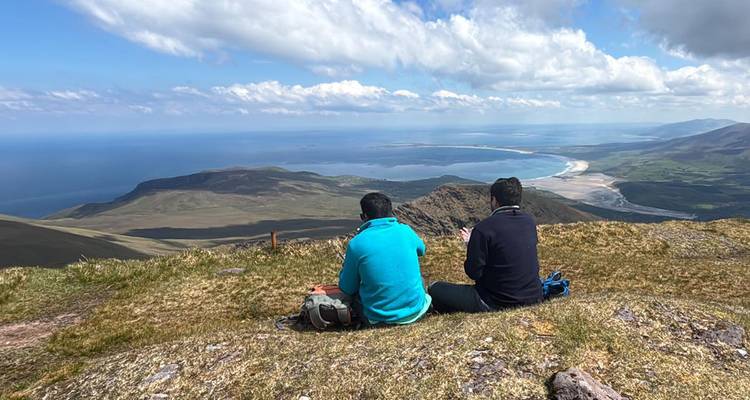
Explore Ireland’s Wild Atlantic Way – 7‑Day Guided Hiking Adventure
7 Days • Experience
From USD1,760
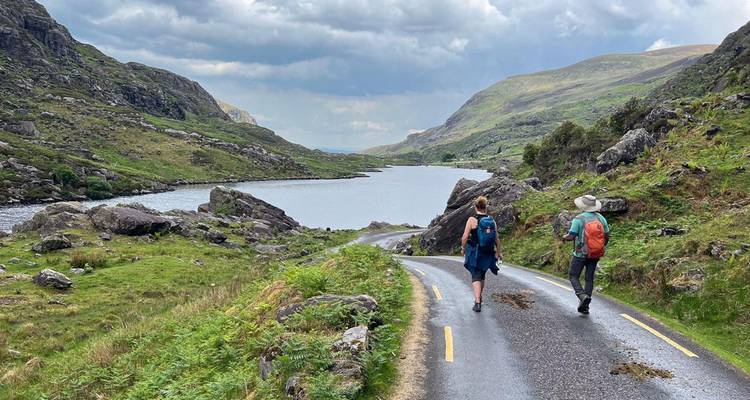
7‑Day South & West Ireland Hiking Adventure
7 Days • Experience
From EUR1,345
Corners of Southern Ireland 2027
7 Days • Experience
From EUR2,427
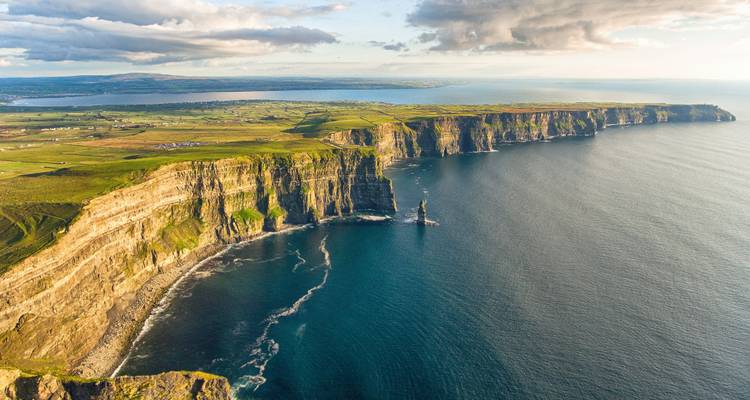
Round Trip Ireland
8 Days • Experience
Map View
Explore Cork on the map
Cork
The map is centred on Cork.
Why travel to Cork?
Cork is ideal for cultural explorers, food enthusiasts, and nature‑focused travellers. Visitors can enjoy museums, music venues, and traditional pubs, while also using the city as a base for day trips to nearby coastal villages, scenic countryside, and the famous Wild Atlantic Way.
Cork travel blogs
Stories and guides connected to Cork and the surrounding destination.
What Should You Know Before Visiting Ireland? A Complete Country Guide
Before you set foot in Ireland, know that the weather is changeable, driving is on the left, and cashless payments are w...
What are the hidden gems of Ireland? A guide to secret spots
Ireland’s hidden gems are the remote coastal villages, secluded waterfalls, and little‑known historic sites that lie off...
Is Ireland safe for travellers? Essential safety guide
Ireland is considered safe for most travellers, with low violent‑crime rates and a welcoming culture. Most visitors expe...
What is a good itinerary for Ireland? A 7‑Day Classic Route
A solid Ireland itinerary spans seven days, covering Dublin, the west coast, and the south before returning to the capit...
What is the best time to visit Ireland? A seasonal guide
The best time to visit Ireland is from late May through early October. During these months temperatures are mild, daylig...
How many days are enough to visit Ireland? Plan your itinerary, budget and best season for a first‑time adventure today
A week—seven to ten days—is generally enough to experience Ireland’s highlights without feeling rushed. This timeframe l...
More in Ireland
Browse more city pages across Ireland.