 Lilshira


Ireland Travel Guide
Essential information for visiting Ireland’s cities, coastlines and cultural sites.
Currency
Euro (EUR)
Language
English, Irish
Population
About 5 million
Visa
Visa‑free for many nationals up to 90 days; others need a visa
Safety
Generally safe with low crime rates
Travel Cost
Moderate
Best Visit
May – September
Ireland at a glance
Ireland offers a blend of vibrant cities, historic towns and dramatic coastlines. With 20 notable cities—including Dublin, Cork, Galway, Limerick and Waterford—travelers can explore urban culture and rural scenery alike. The country’s mild, maritime climate and the optimal visiting window from May to September make outdoor activities comfortable. Ten curated tours, such as the Wild Atlantic Way hiking adventures, showcase the nation’s natural beauty and heritage, providing structured experiences for visitors.


Tours & Activities
Curated experiences led by local experts.
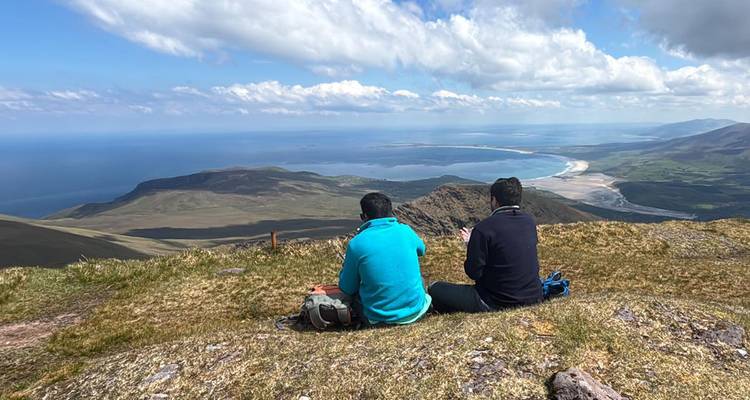
Explore Ireland’s Wild Atlantic Way – 7‑Day Guided Hiking Adventure
7 Days • Curated activity
From $1,760
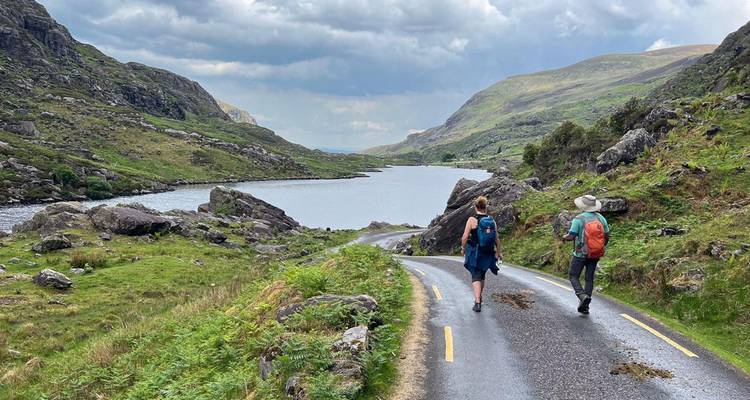
7‑Day South & West Ireland Hiking Adventure
7 Days • Curated activity
From $1,345

Corners of Southern Ireland 2027
7 Days • Curated activity
From $2,427
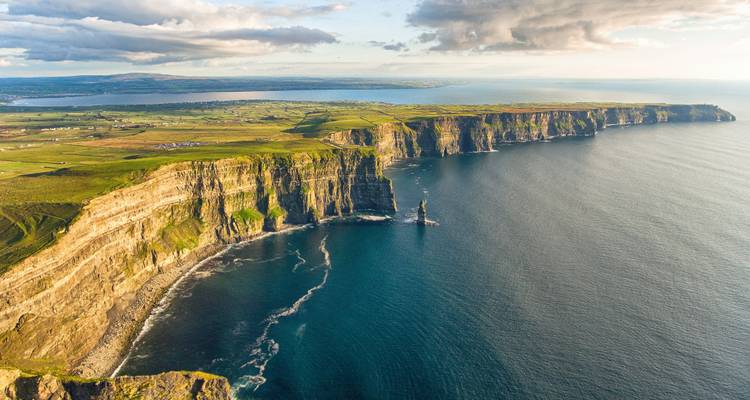
Round Trip Ireland
8 Days • Curated activity
From $0
Map View
Explore Ireland on the map
Centered on the country’s main cities and scaled to keep the full destination in view.
Ireland travel overview
The country is ideal for active itineraries and cultural immersion. Guided hikes along the Wild Atlantic Way cater to walkers seeking rugged cliffs, beaches and historic sites, while cities like Dublin and Galway deliver museums, music venues and culinary scenes. Whether you prefer a multi‑day trekking tour or a city‑focused break, Ireland’s moderate travel costs and safe environment support a range of trip styles, from adventure travel to relaxed cultural tours.
Cities in Ireland
Explore the main cities in Ireland and open each one for more local details.

Athlone
Bray
Carlow
Cork
Douglas
Drogheda
Droichead Nua
Dublin
Dún Laoghaire
Dundalk
Ennis
Galway
Limerick
Navan
Portlaoise
South Dublin
Swords
Tallaght
Tralee
Waterford
Essential Travel Tips
Book Early
Popular routes and hotels fill quickly in peak season.
Mix Transport
Use trains between cities and local transit inside centers.
Stay Central
Base yourself near a walkable area to save time.
Cash Ready
Some small vendors still prefer cash for smaller purchases.
Pack Smart
Comfortable shoes matter more than anything else.
Travel guides for Ireland
Practical answers for planning your trip to Ireland.