 Lilshira


Dublin, Ireland
Ireland’s capital blends historic sites, vibrant culture and easy navigation for travelers.
24°C / 75°F
Sunny in Dublin
Peak Season
High visitor demand
Dublin at a glance
Dublin, the capital of Ireland, hosts a population of roughly 550,000 residents within the city limits and serves as the cultural and economic hub of the country. Its temperate maritime climate brings mild winters and cool summers, making outdoor exploration comfortable most of the year. The city’s blend of historic architecture, literary heritage and modern amenities creates a distinctive atmosphere that attracts visitors seeking both tradition and contemporary Irish life.

Things to Do in Dublin
Curated experiences led by local experts.
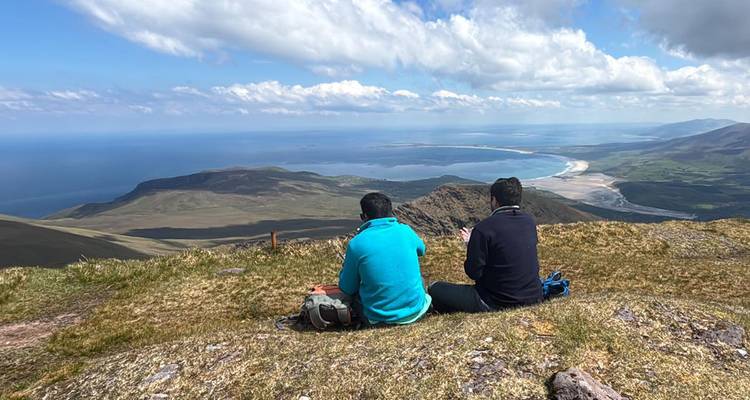
Explore Ireland’s Wild Atlantic Way – 7‑Day Guided Hiking Adventure
7 Days • Experience
From USD1,760
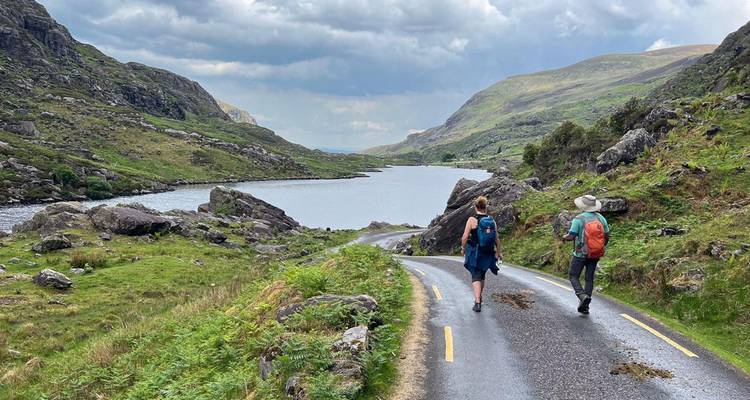
7‑Day South & West Ireland Hiking Adventure
7 Days • Experience
From EUR1,345
Corners of Southern Ireland 2027
7 Days • Experience
From EUR2,427
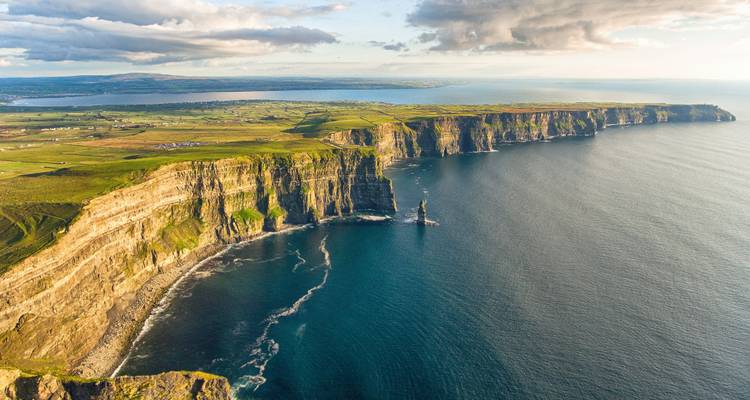
Round Trip Ireland
8 Days • Experience
Map View
Explore Dublin on the map
Dublin
The map is centred on Dublin.
Why travel to Dublin?
The city’s compact layout, extensive public‑transport network and concentration of museums, parks and music venues make Dublin well suited for short city breaks, cultural tours and family outings. Travelers interested in literary history, Irish cuisine or lively nightlife will find convenient access to key attractions, while the surrounding coastal areas and countryside are reachable for day‑trips, allowing a flexible itinerary that balances urban and scenic experiences.
Dublin travel blogs
Stories and guides connected to Dublin and the surrounding destination.
What is a good itinerary for Ireland? A 7‑Day Classic Route
A solid Ireland itinerary spans seven days, covering Dublin, the west coast, and the south before returning to the capit...
How many days are enough to visit Ireland? Plan your itinerary, budget and best season for a first‑time adventure today
A week—seven to ten days—is generally enough to experience Ireland’s highlights without feeling rushed. This timeframe l...
What Should You Know Before Visiting Ireland? A Complete Country Guide
Before you set foot in Ireland, know that the weather is changeable, driving is on the left, and cashless payments are w...
What are the hidden gems of Ireland? A guide to secret spots
Ireland’s hidden gems are the remote coastal villages, secluded waterfalls, and little‑known historic sites that lie off...
Is Ireland safe for travellers? Essential safety guide
Ireland is considered safe for most travellers, with low violent‑crime rates and a welcoming culture. Most visitors expe...
What is the best time to visit Ireland? A seasonal guide
The best time to visit Ireland is from late May through early October. During these months temperatures are mild, daylig...
More in Ireland
Browse more city pages across Ireland.