Discover Kiffa, Mauritania

A glimpse of Kiffa’s culture, climate, and travel essentials.

explore
wb_sunny

24°C / 75°F

Sunny in Kiffa

trending_up

Peak Season

High visitor demand

Kiffa at a glance

Kiffa is a town in southern Mauritania with an estimated population of around 70,000 residents. The climate is semi‑arid, featuring very hot summers and milder, dry winters. Travelers find the period from November through February most comfortable, as temperatures are lower and rainfall remains scarce.

palette Culture & Art
restaurant_menu Culinary Heritage
Kiffa View
Kiffa Landmark
Kiffa Street

Things to Do in Kiffa

Curated experiences led by local experts.
View All Activities arrow_forward

Map View

Explore Kiffa on the map

open_in_new Open in Google Maps
place

Kiffa

The map is centred on Kiffa.

16.621, -11.402

Why travel to Kiffa?

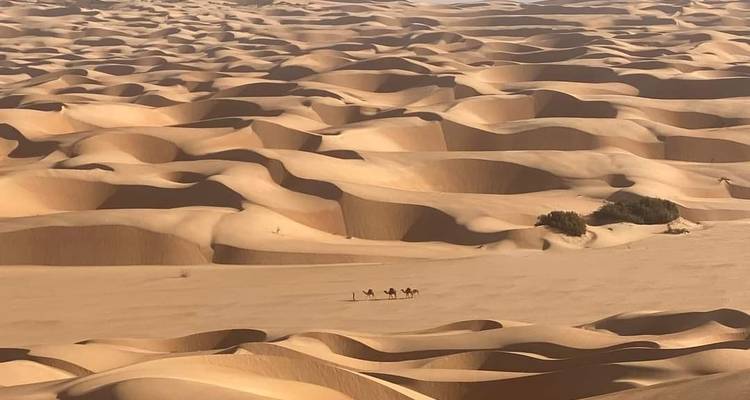
Kiffa suits travelers interested in cultural immersion, local markets, and Sahelian landscapes. The town’s weekly market, nearby archaeological sites, and surrounding dunes provide authentic experiences for visitors seeking a blend of history, commerce, and outdoor exploration away from larger urban centers.

palette Culture & Art
restaurant_menu Culinary Heritage
Kiffa View
Kiffa Landmark
Kiffa Street

Kiffa travel blogs

Stories and guides connected to Kiffa and the surrounding destination.

More in Mauritania

Browse more city pages across Mauritania.

Frequently Asked Questions

What is the most suitable time of year to visit Kiffa?

expand_more
The most suitable period to visit Kiffa is from November to February. During these months the weather is drier and cooler compared with the extreme heat of the summer, making outdoor activities and market visits more comfortable for travelers.

How can I travel from Nouakchott to Kiffa?

expand_more
Travel between Nouakchott and Kiffa is typically done by road. The distance is roughly 800 km and can be covered by long‑distance bus services, shared taxis, or a private vehicle traveling on the national highway. The journey usually takes between 10 and 12 hours, depending on road conditions.

What visa requirements apply for visitors to Mauritania and Kiffa?

expand_more
All foreign nationals need a visa to enter Mauritania, including visits to Kiffa. Visas can be obtained in advance from Mauritanian embassies or consulates, or on arrival at major airports for certain nationalities. Travelers should check the latest entry requirements, including passport validity and any health documentation.

Are there any safety considerations for tourists in Kiffa?

expand_more
Visitors to Kiffa should stay informed about local security advisories and avoid traveling at night in isolated areas. Keeping valuables out of sight, using reputable transport providers, and following guidance from local authorities or accommodations can help reduce risk while exploring the town and its surroundings.

What currency is used in Kiffa and where can I exchange money?

expand_more
The official currency in Kiffa is the Mauritanian ouguiya (MRU). Currency exchange services are limited in the town, but larger banks in Nouakchott and some hotels in major cities provide exchange facilities. Travelers often carry cash and may use ATMs in the capital before heading to Kiffa.

What are the main attractions in Kiffa?

expand_more
Key attractions in Kiffa include its weekly market, where local artisans sell textiles, leather goods, and agricultural products. Nearby archaeological sites showcase pre‑colonial Sahelian cultures, and the surrounding landscape offers opportunities to view desert dunes and seasonal wetlands that attract wildlife during the dry season.

Is there a museum or cultural centre in Kiffa?

expand_more
Kiffa hosts a regional cultural centre that presents exhibits on Sahelian heritage, traditional crafts, and the history of the surrounding area. The centre provides educational displays and occasional workshops, offering visitors insight into the local way of life and artistic traditions.

Are there natural sites near Kiffa for outdoor activities?

expand_more
The area around Kiffa features expansive sand dunes and low‑lying seasonal lakes that fill during the brief rainy period. These natural settings are suitable for guided walks, bird‑watching, and photography, allowing travelers to experience the arid landscape and its occasional bursts of vegetation.

What cultural events or festivals take place in Kiffa?

expand_more
Kiffa holds an annual camel market festival that attracts traders and visitors from across the region. The event combines livestock trading with traditional music, dance, and food stalls, providing a vivid showcase of local customs and a chance for travelers to engage with community celebrations.

What type of food can I expect to find in Kiffa?

expand_more
Local cuisine in Kiffa reflects broader Mauritanian flavors, featuring dishes such as thieboudienne (fish with rice and vegetables), grilled lamb or goat, and millet‑based stews. Meals are often seasoned with local spices and served with flatbread, offering a hearty taste of Sahelian culinary traditions.