Discover Nouadhibou, Mauritania

A coastal gateway known for its fishing port, marine life, and bustling market.

explore
wb_sunny

24°C / 75°F

Sunny in Nouadhibou

trending_up

Peak Season

High visitor demand

Nouadhibou at a glance

Nouadhibou is Mauritania’s second‑largest city, situated on the Atlantic coast. It serves as the country’s main fishing port and a gateway to the nearby Banc d’Arguin National Park, a UNESCO‑listed marine reserve. The city’s blend of maritime activity, colonial architecture, and vibrant market life makes it a distinctive destination in West Africa.

palette Culture & Art
restaurant_menu Culinary Heritage
Nouadhibou View
Nouadhibou Landmark
Nouadhibou Street

Things to Do in Nouadhibou

Curated experiences led by local experts.
View All Activities arrow_forward

Map View

Explore Nouadhibou on the map

open_in_new Open in Google Maps
place

Nouadhibou

The map is centred on Nouadhibou.

20.942, -17.038

Why travel to Nouadhibou?

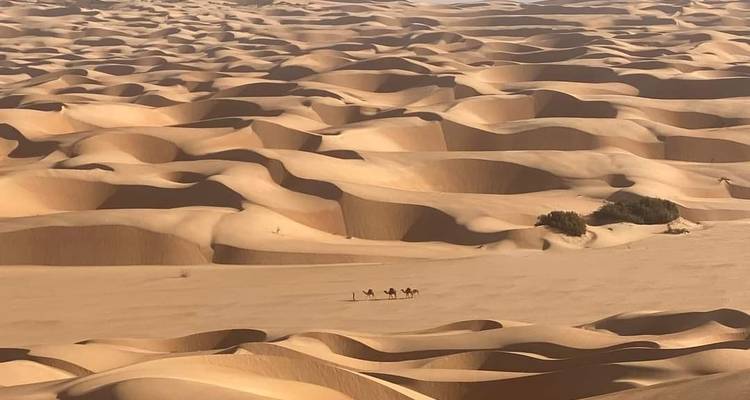
Nouadhibou suits travelers seeking coastal experiences, wildlife observation, and authentic market culture. Its proximity to rich marine ecosystems appeals to dolphin and whale‑watching tours, while the bustling fish market offers a taste of local daily life. The city also works well as a base for exploring the surrounding desert‑coast landscape and traditional Mauritanian villages.

palette Culture & Art
restaurant_menu Culinary Heritage
Nouadhibou View
Nouadhibou Landmark
Nouadhibou Street

Nouadhibou travel blogs

Stories and guides connected to Nouadhibou and the surrounding destination.

More in Mauritania

Browse more city pages across Mauritania.

Frequently Asked Questions

When is the best time to visit Nouadhibou?

expand_more
The most comfortable period to travel to Nouadhibou is from November through February. During these months, temperatures are milder, ranging from the low 20s to high 20s °C, and humidity is lower, making outdoor activities and coastal excursions more pleasant.

What is the climate like in Nouadhibou throughout the year?

expand_more
Nouadhibou experiences a hot, arid climate with a strong Atlantic influence. Average temperatures stay between 20 °C and 30 °C year‑round, with the hottest months in August and September. Rainfall is scarce, typically under 100 mm annually, and the coastal breeze moderates extreme heat.

How many people live in Nouadhibou?

expand_more
Nouadhibou’s population is estimated at roughly 110,000 residents, making it Mauritania’s second‑largest city. The figure reflects a modest growth trend linked to the city’s role as a regional fishing and trade hub.

What currency is used in Nouadhibou?

expand_more
The official currency in Nouadhibou, as throughout Mauritania, is the Mauritanian ouguiya (MRU). Visitors can exchange foreign currency at banks in Nouakchott and use ATMs in larger towns, but cash is commonly required for small purchases and market transactions.

What are the main attractions in Nouadhibou?

expand_more
Key attractions include the bustling Port of Nouadhibou, where fishing vessels dominate the harbor, and the nearby Banc d’Arguin National Park, renowned for its bird colonies and marine life. The city’s central market offers a lively glimpse of daily commerce, while remnants of colonial architecture add historical depth.

Where can visitors see marine wildlife near Nouadhibou?

expand_more
Marine wildlife is most visible on boat tours that depart from the Nouadhibou harbor and head toward Banc d’Arguin. These excursions often encounter dolphins, sea turtles, and, seasonally, migrating whales and whale sharks, providing memorable wildlife encounters along the coastline.

Is there a notable market or shopping area in Nouadhibou?

expand_more
Yes, the central market of Nouadhibou is a focal point for locals and travelers. It features stalls selling fresh fish, traditional textiles, handcrafted goods, and spices. The market’s lively atmosphere offers an authentic experience of Mauritanian commerce and culture.

Are there any historic sites or museums in Nouadhibou?

expand_more
While Nouadhibou is primarily known for its port, visitors can explore remnants of Portuguese and French colonial structures, such as old warehouses and a small maritime museum that highlights the city’s fishing heritage. These sites provide insight into the region’s historical development.

What local dishes should travelers try in Nouadhibou?

expand_more
Seafood dominates the local cuisine; grilled fish, especially sardines and mackerel, is a staple. Traditional dishes like thieboudienne (rice with fish and vegetables) and mechoui (slow‑roasted lamb) are also popular. Sampling these meals at local eateries offers a true taste of Mauritanian coastal flavors.

Are there any recommended restaurants in Nouadhibou?

expand_more
The platform does not list specific restaurants for Nouadhibou. However, travelers can find modest eateries and seafood stalls near the harbor and market area that serve fresh fish dishes and traditional Mauritanian meals at reasonable prices.