Lilshira


How to Contact an ICE Detainee: Step‑by‑Step Guide
Documented publishes a step‑by‑step guide for contacting relatives held by ICE. The guide is available as of November 5, 2026 and targets families, friends and legal representatives of detainees.
In this story
At a glance
- What changes
- New detailed guide released for contacting ICE detainees
- Timing
- Published November 5, 2026
- Who is affected
- Family, friends and lawyers of ICE detainees
The details
Locating a detainee
The Online Detainee Locator System (ODLS) lets anyone search for a person held by ICE or CBP for more than 48 hours. Users can enter the detainee’s A‑Number, full name, birth date and country of birth. The tool does not return records for individuals under 18; separate contact with the Office of Refugee Resettlement is required for unaccompanied minors.
- Enter the A‑Number or full personal details into ODLS to obtain the detention‑center name and phone number
- If the search returns no result, add hyphens between multiple surnames
- For minors, call the ORR hotline at 1‑800‑203‑7001 or contact a local ICE office
Contacting the detention center
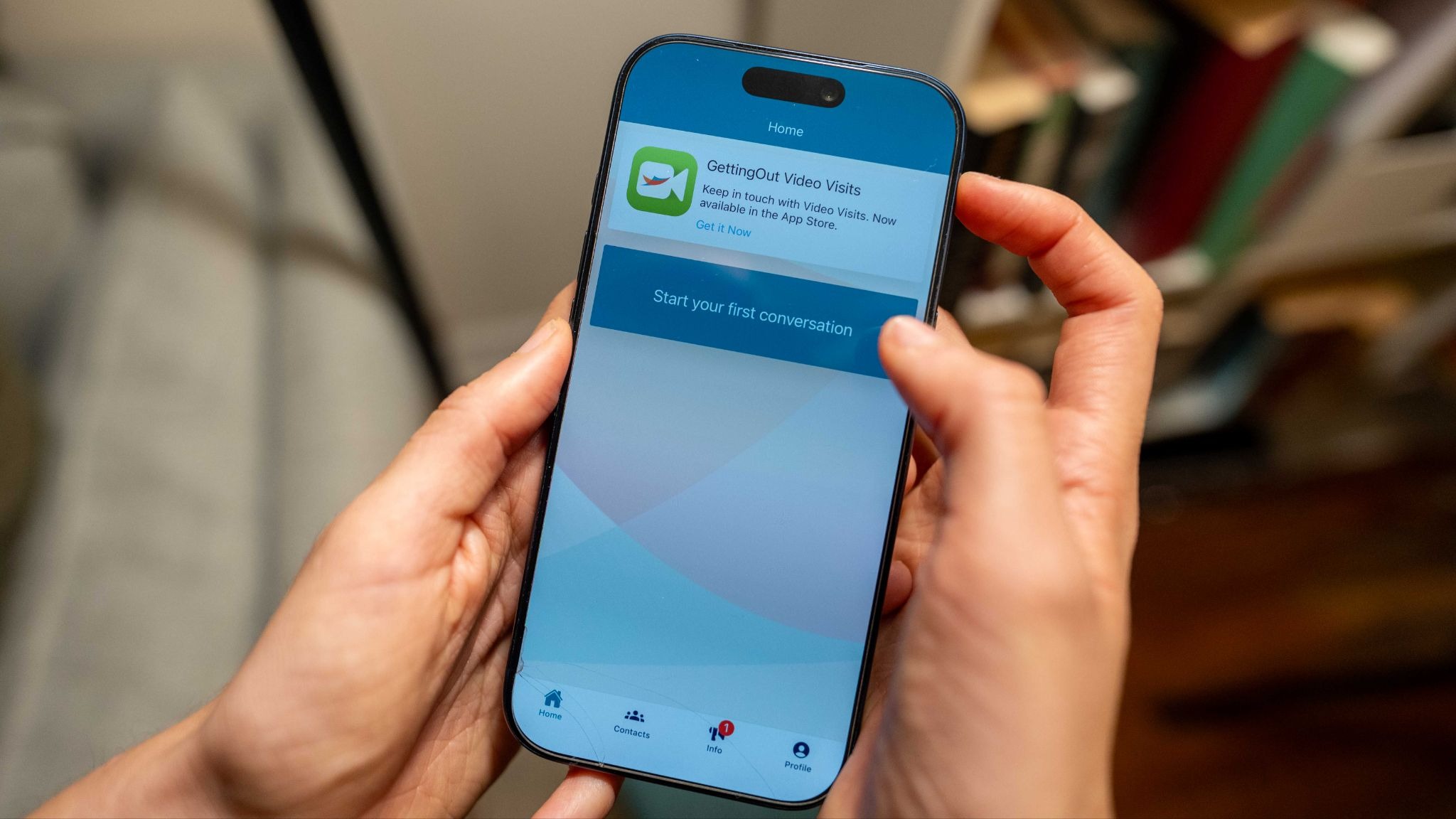
Once the center is identified, callers can verify the detainee’s location and request the A‑Number if it was not displayed. Staff can also explain which software, such as GettingOut, myViaPath or iWebVisit, is used for inmate communication. Each center lists its office hours and any limits on items that may be sent to the detainee.
- Call the center’s listed number to confirm the detainee’s status and obtain the A‑Number
- Ask which tablet or messaging app the center provides for inmate communication
- Check the “Contacting a Detainee” section on the center’s information page for specific rules
Funding and communication tools
Most centers allow family members to add money to a commissary (trust) account for food, hygiene items and clothing. Applications such as Connect Network, Western Union or Access Corrections can be used, often requiring the detainee’s name and A‑Number. At least 48 ICE facilities provide tablets for video calls and messaging; the software varies by location. All calls are recorded, so sensitive case information should not be discussed.
Deposits may be limited per account and some apps charge a credit‑card processing fee. Tablet usage is subject to each center’s policy, and not all facilities have the same platform.
- Provide the detainee’s full name and A‑Number when adding funds to the commissary account
- Confirm the specific app (e.g., GettingOut, myViaPath) used by the center before attempting a video call
- Remember that all communications are recorded and not confidential
What this means for travellers
Trip planning
- Existing travel itineraries are not altered by the new guidance
- No entry or transit restrictions for travelers visiting the United States are introduced
Cost and documents
- No new fees are imposed by ICE for contacting detainees
- Standard commissary deposit fees and possible credit‑card processing charges still apply
What you need to do
- Use the ODLS to locate the detainee before attempting any contact
- Gather the detainee’s A‑Number or booking number to fund the commissary account
- Verify the specific tablet or messaging app used by the detention center
Who this affects
-
Family members of ICE detainees
They need to locate, communicate with and fund the detainee’s commissary account
What to do Follow the step‑by‑step process to use ODLS, call the center and deposit funds
-
Friends of ICE detainees
Friends may also want to provide financial support or stay in touch
What to do Use the same locating and funding steps as family members
-
Legal representatives of ICE detainees
Lawyers require the detainee’s location and A‑Number to manage case filings
What to do Obtain the A‑Number via ODLS or the detention‑center phone line
Frequently asked questions
How can I find where an ICE detainee is held?
Use the Online Detainee Locator System (ODLS) by entering the detainee’s A‑Number, full name, birth date and country of birth. The system returns the detention‑center name and phone number, except for individuals under 18.
What information do I need to add money to a detainee’s commissary account?
You must provide the detainee’s full name and A‑Number (or booking number). Most payment platforms also ask for a credit‑card or bank details and may charge a processing fee.
Can I call a detainee directly on their phone?
No. Detainees cannot receive incoming calls. Communication is done through approved tablet apps or by sending messages via the center’s system after you fund the communication account.
Which tablet apps are used in ICE detention centers?
Facilities use a variety of software, including GettingOut (now myViaPath), iWebVisit and other contractor‑provided apps. The specific app is listed on the center’s information page or can be confirmed by phone.
Are conversations with detainees recorded?
All calls and video sessions are recorded by ICE. Therefore, do not discuss private or case‑sensitive information during any communication.