Lilshira


Schengen internal border checks extended into 2027 by seven member states
Seven Schengen states have notified that their temporary internal border checks will run into 2027. The extensions start on 12 November 2026 and affect travellers crossing land, sea or air borders within the listed countries.
In this story
At a glance
- What changes
- Seven countries have extended temporary internal border checks into 2027
- Timing
- Extensions run from 12 November 2026 to dates between 18 December 2026 and 11 May 2027
- Who is affected
- Travellers crossing internal borders of Austria, Denmark, France, Germany, Norway, Poland and Sweden
The details
- Previous rule
- On 4 November 2026 eight Schengen countries were running temporary internal border controls. Italy, the Netherlands and Spain had already ended some of their checks, while the remaining five had set expiry dates in 2026.
- New rule
- Seven of those eight countries have now notified the European Commission that their controls will continue into 2027, with most extensions lasting six months until 11 May 2027. Italy’s controls at the Slovenia border will end on 18 December 2026.
Scope of the extensions
Denmark, Norway and Sweden each submitted a six‑month notification covering the period from 12 November 2026 to 11 May 2027. Their scope remains unchanged, meaning all internal borders listed in the previous notification stay under checks.
- Denmark cites sabotage, terrorism and organised crime for its land and sea border with Germany
- Norway points to threats to its energy sector and sabotage linked to Russian intelligence
- Sweden lists organised cross‑border crime, Russia‑related hybrid threats and migrant pressure
Countries and timelines
Austria, France, Germany and Poland have also notified extensions, but their exact end dates differ. Austria and Germany will run checks until 15 March 2027, Poland until 30 March 2027, and France until 30 April 2027. Italy’s controls at the Slovenian land border are scheduled to finish on 18 December 2026.
- Austria – controls continue until 15 March 2027
- Germany – controls continue until 15 March 2027
- Poland – controls continue until 30 March 2027
- France – controls continue until 30 April 2027
- Italy – controls end on 18 December 2026
Implications for travellers
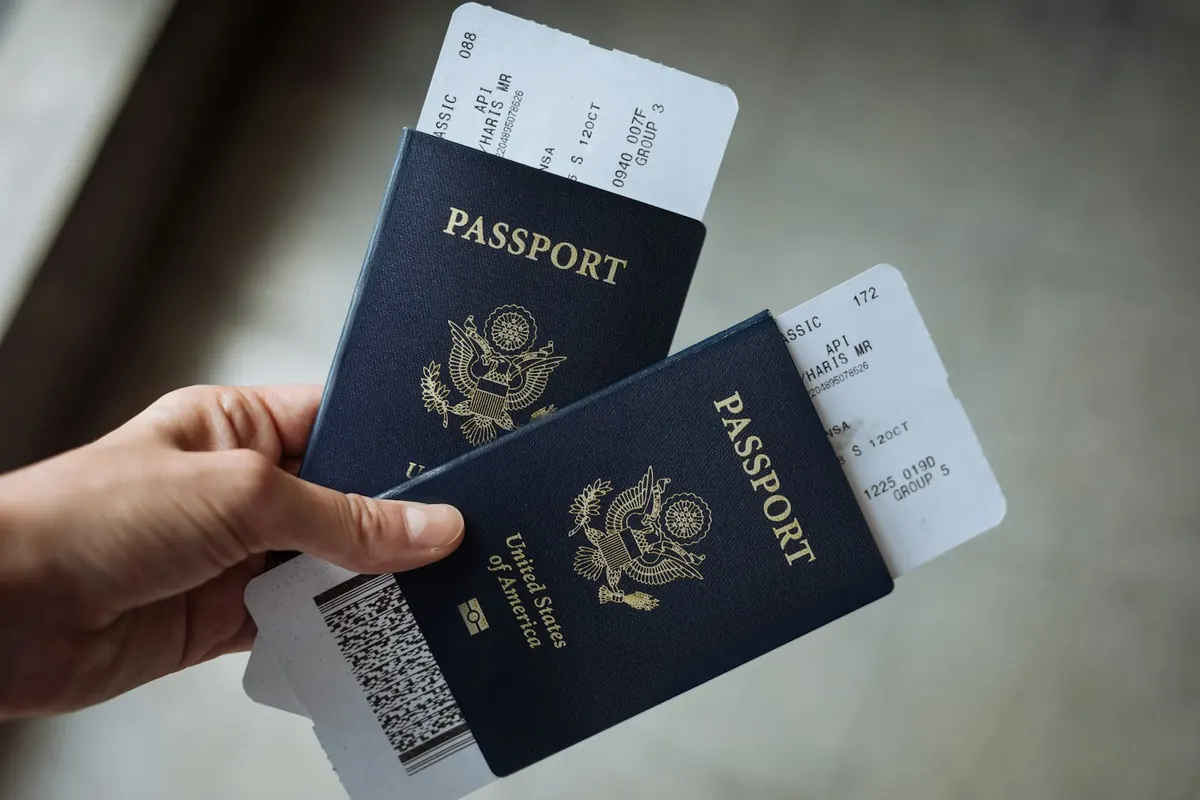
The checks are spot checks, not systematic passport control at every crossing. Most drivers, train passengers and ferry users will cross without being stopped, but officers may ask for identification at any time. EU/EEA citizens must carry a valid passport or national ID card; non‑EU nationals need a passport and, where required, a Schengen visa or residence permit.
- Checks apply to land, sea and air internal borders covered by each country’s notification
- Travelers should allow extra time for possible delays at border points
What this means for travellers
Trip planning
- Travellers with existing bookings that cross Denmark, Norway or Sweden should expect possible spot checks until 11 May 2027
- Journeys involving Austria, France, Germany or Poland may face checks until mid‑to‑late March 2027
- Cross‑border trips to or from Italy’s Slovenia border should be clear after 18 December 2026
Cost and documents
- No additional fees are introduced by the extensions
- EU/EEA citizens must continue to carry a passport or national ID card
- Non‑EU nationals must keep their passport and any required Schengen visa or residence permit handy
What you need to do
- Check the specific scope of controls for the country you will cross to know if your route is covered
- Allow extra travel time at internal border points where checks remain in force
- Monitor official updates for any further extensions beyond the dates listed
Who this affects
-
EU/EEA citizens travelling by land, sea or air within the listed countries
They are required to carry a valid passport or national identity card and may be asked for identification during spot checks
What to do Carry the appropriate travel document and be prepared for possible delays at internal border points
-
Non‑EU nationals holding a Schengen visa or residence permit
They must present their passport and visa/residence permit even for short day trips across internal borders
What to do Ensure the visa or permit is valid for the entire travel period and keep it accessible
-
Drivers, coach operators and ferry passengers crossing internal borders
Spot checks can be conducted on vehicles and vessels at the borders listed in each country’s notification
What to do Plan for possible inspection stops and keep driver’s licence and vehicle documents ready
Frequently asked questions
Which Schengen countries have extended internal border checks into 2027?
Seven countries—Austria, Denmark, France, Germany, Norway, Poland and Sweden—have notified the European Commission that their temporary internal border controls will continue into 2027, with most extensions ending on 11 May 2027.
When do the new internal border control periods start?
The extensions begin on 12 November 2026 for Denmark, Norway and Sweden, and follow the existing timelines for Austria, France, Germany and Poland, which run into early 2027.
Will I need a visa for internal travel between these Schengen states?
No new visa requirements are introduced. Non‑EU nationals must still carry a valid passport and any required Schengen visa or residence permit for internal travel, just as before.
How long will Italy’s internal border checks last?
Italy’s checks at the land border with Slovenia are scheduled to end on 18 December 2026 and are not extended beyond that date in the current notifications.
What documents should I carry when crossing an internal Schengen border under these checks?
EU/EEA citizens should have a valid passport or national ID card; non‑EU nationals need a passport and any applicable Schengen visa or residence permit. No additional documents are required by the extensions.
Do the extensions affect the Entry/Exit System (EES)?
The internal checks are separate from the EES. The EES continues to record entries and exits at external Schengen borders only; internal spot checks do not trigger EES registrations.