Lilshira


Fantuan delivery app requires workers to front cash for customer orders
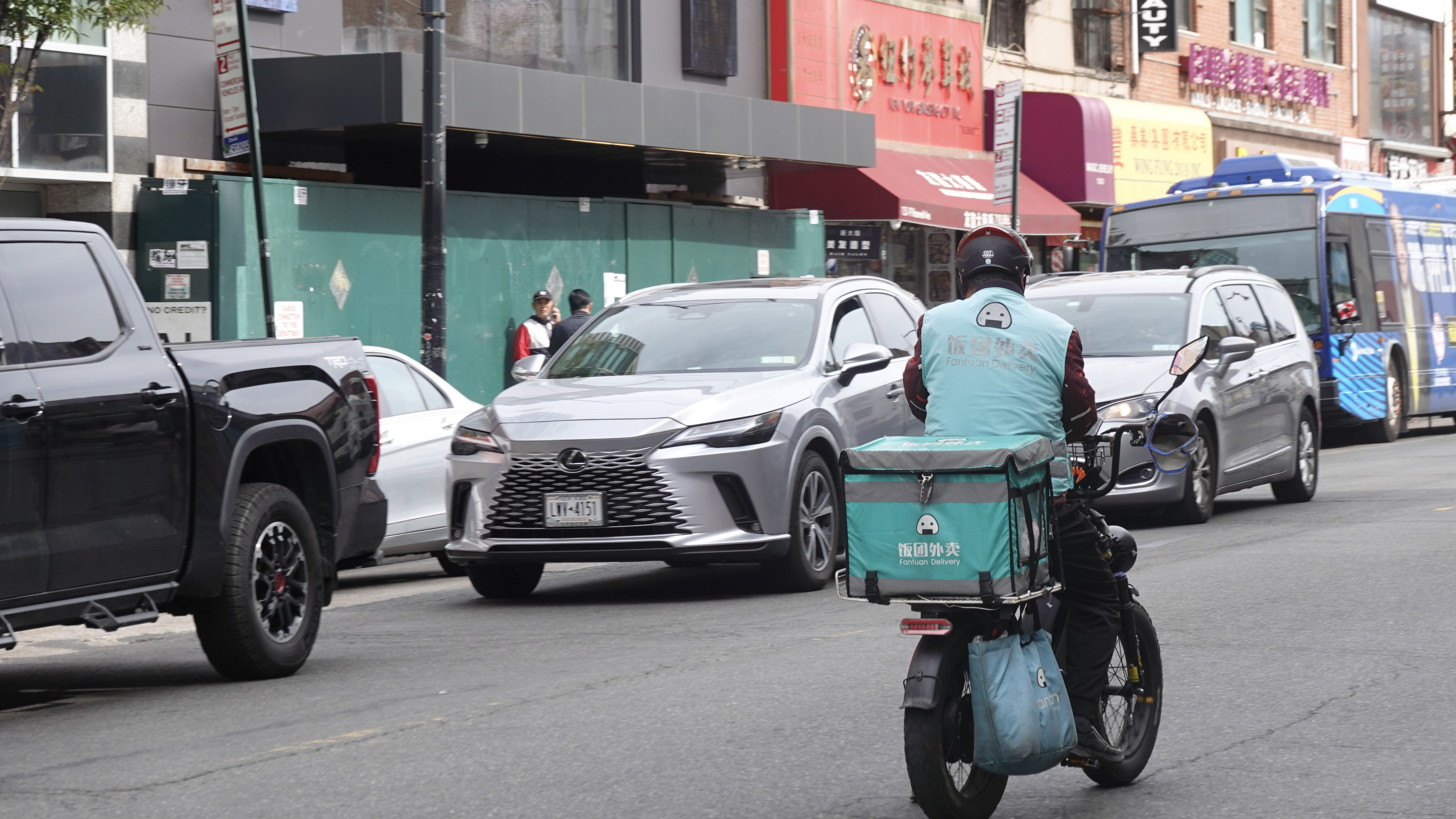
Fantuan delivery app is reported to require its couriers to pay for certain customer orders out of their own pockets, effectively acting as interest‑free loans. The practice is ongoing as of the November 2026 report and affects delivery workers using the platform in New York.
In this story
At a glance
- What changes
- Workers must pay cash for some orders before reimbursement
- Timing
- Practice reported in November 2026 and continues
- Who is affected
- Fantuan delivery couriers in New York City
The details
Reported cash‑fronting practice
Documented interviewed Fantuan couriers who said the platform asks them to pay restaurants in cash for orders that the restaurants only accept cash for or do not partner with Fantuan. Workers then receive reimbursement at the end of the week, but the cash outlay can equal or exceed daily earnings.
- Orders requiring cash range from $30 to $240 per delivery
- About 10% of daily orders need cash upfront, sometimes rising to 60%
Financial and safety impact on workers
Couriers report carrying hundreds of dollars in cash, increasing risk of robbery. Reimbursements are mixed with wages, complicating tax filings and leading to higher tax liabilities.
- NYPD recorded over 11,000 bike thefts from 2018‑2023, highlighting safety concerns
- Workers say reimbursements appear as income, raising tax bills
Regulatory response and complaints
The New York City Department of Consumer and Worker Protection (DCWP) has received complaints about the cash‑fronting practice. The agency says the practice is not illegal unless reimbursement is delayed beyond seven days after the pay period.
- DCWP Commissioner Samuel Levine pledged monitoring for compliance with minimum pay rates
- Local Law 34, enacted in January, will ban app‑initiated deactivation of workers once it takes effect early next year
What this means for travellers
Trip planning
- Existing bookings for food delivery through Fantuan remain unchanged; the cash‑fronting issue does not affect order placement for customers.
- Customers should be aware that couriers may be carrying large amounts of cash, which could affect delivery speed or reliability.
Cost and documents
- No new fees or documentation are required from customers ordering through Fantuan.
- Workers bear the cash expense themselves; there is no additional cost to the consumer.
What you need to do
- Customers can choose alternative delivery platforms if concerned about courier safety.
- Workers should monitor reimbursement timing to ensure payment arrives within seven days after each pay period.
Who this affects
-
Fantuan delivery couriers in New York City
They are required to pay restaurants in cash for certain orders before being reimbursed.
What to do Track reimbursements and report delayed payments to DCWP.
-
Customers ordering Asian cuisine via Fantuan in NYC
Their orders may be fulfilled by couriers carrying cash, affecting delivery experience.
-
Restaurants that accept only cash or are not partnered with Fantuan
They are the source of orders that force couriers to pre‑pay in cash.
Frequently asked questions
Does Fantuan require delivery workers to pay cash for orders?
Yes, Fantuan asks its couriers to pay cash up front for some orders when restaurants only accept cash or are not partnered with the app, and later reimburses them.
How much cash do Fantuan workers have to front?
Workers report cash amounts per order ranging from about $30 to as much as $240, with daily out‑of‑pocket expenses sometimes reaching several hundred dollars.
Is the cash‑fronting practice illegal in New York?
The New York City Department of Consumer and Worker Protection says the practice is not illegal unless the company fails to reimburse workers within seven days after the pay period.
What safety concerns arise from this practice?
Carrying large sums of cash makes couriers vulnerable to robberies, and NYPD data shows thousands of bike thefts and related crimes in recent years.
Will new regulations change this practice?
Local Law 34, enacted in January, will prohibit apps from deactivating workers without cause when it takes effect early next year, but it does not directly address cash‑fronting.