How Many Days in Tokyo Do You Really Need?
Back to articles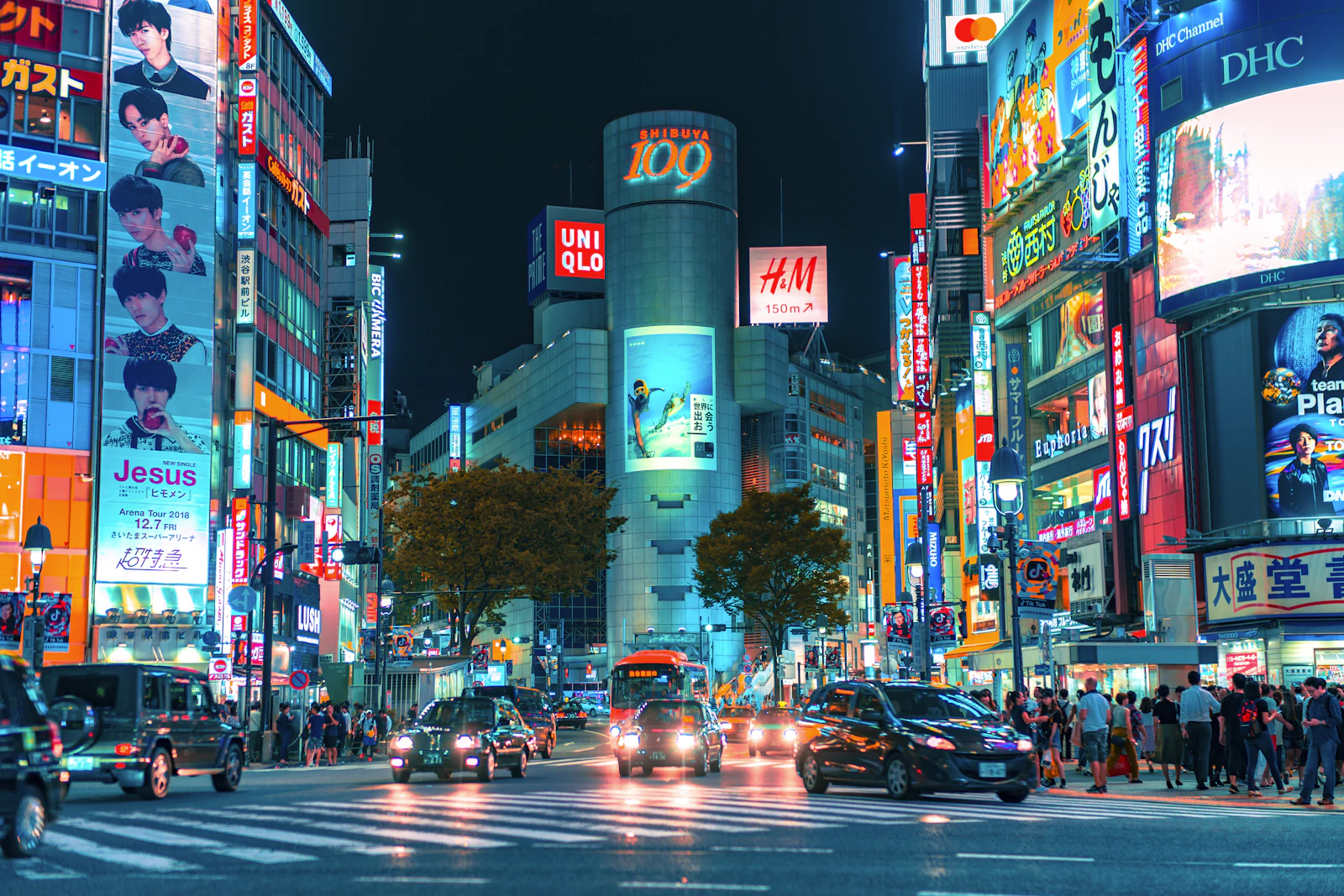
On this page
- How many days in Tokyo do you need? The answer by trip type
- A three-day Tokyo plan: what actually fits
- 5 days in Tokyo: the full city visit
- 7 days in Tokyo: the city plus day trips
- How long to stay in Tokyo: which trip length fits you
- A district-by-district allocation of your Tokyo days
- When to visit Tokyo, and how the season changes your itinerary
- Where to stay in Tokyo, and how your base changes the day count
- Frequently asked questions
How many days in Tokyo do you need? For most travelers the answer is five: three days cover a first look at the main districts, five let you see the city properly, and seven add a day trip or two on top. Pick by how much of the city you want to absorb.
How many days in Tokyo do you need? The answer by trip type
Travelers need different amounts of Tokyo, so the honest answer is a range rather than a single number. Two to three days give you a first look, four to five let you cover the city properly, and six to seven make sense once day trips and quieter districts enter the plan. Tokyo trip length is really a question of appetite: how much crowd, how much walking, and how many evenings you want in a different neighborhood.
What each length buys you:
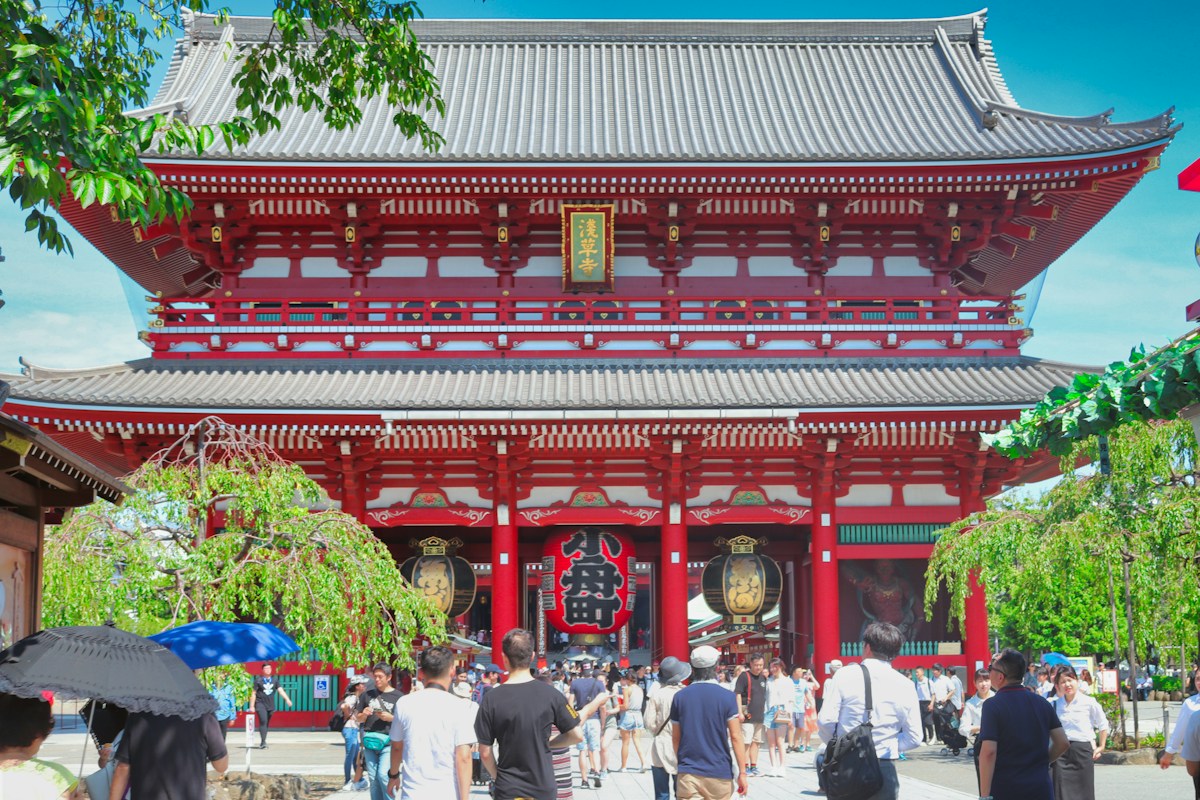
- 3 days — the first look. Enough for the headline districts: Asakusa and Senso-ji in the east, then Shibuya, Harajuku and Shinjuku in the west. You leave understanding the shape of the city rather than its detail.
- 5 days — the full city visit. Adds the slower stops: Tsukiji and Ginza, Ueno and Akihabara, a museum or two, and time on a rooftop without rushing to the next station. This is the length most first-time visitors are happiest with.
- 7 days — the city plus day trips. The extra days are usually better spent outside Tokyo than inside it: Kamakura, Hakone, Nikko, the Fuji lakes, or Yokohama half an hour south. Seven days also lets you repeat a district you liked rather than moving on.
Two things decide where you land. The first is whether Tokyo is the main event or one stop on a longer Japan trip — a city that bookends your flights needs fewer days than a city that is the point of the journey. The second is pace. Six hours of walking a day covers roughly one large district plus a smaller one; four hours covers one. Count your days in districts, not in sights, and the number usually falls into place. The Japan destination page lays out the whole route.
A three-day Tokyo plan: what actually fits
A Tokyo 3 day itinerary is a sprint, so the trick is to route it by district rather than by attraction. Group the stops that sit on the same train line, and accept that you will not see everything: three days is enough to understand the city, not to finish it.
- Day 1 — the east. Start in Asakusa at Senso-ji and the Nakamise approach, walk the Sumida riverside, then move to Ueno for the park and its museums. Evening in Akihabara if electronics and arcades appeal.
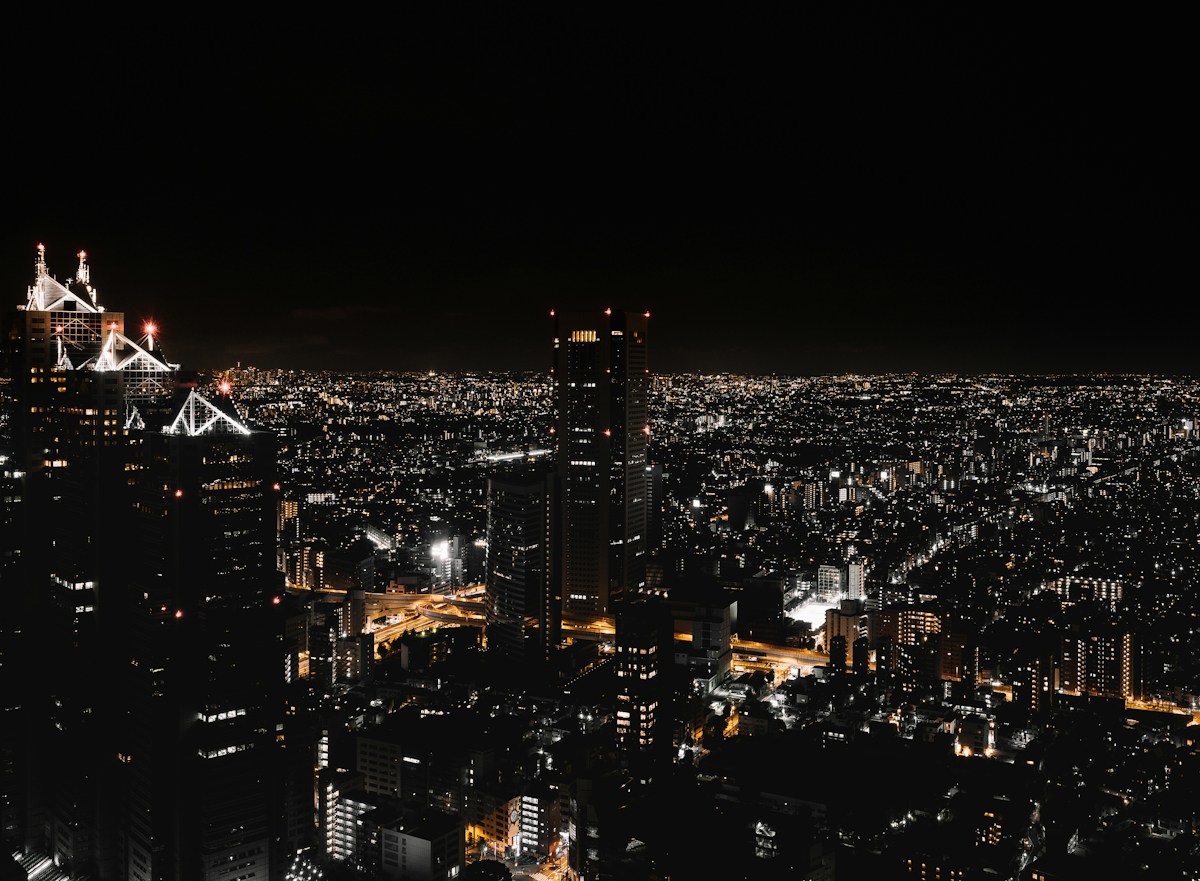
- Day 2 — the west. Meiji Shrine in the morning, Harajuku and Omotesando for the afternoon, and Shibuya at dusk for the crossing and the neon. Shinjuku after dark if you still have energy.
- Day 3 — central and the bay. Tsukiji Outer Market early, Ginza for the afternoon, and either teamLab or Odaiba in the evening.
What three days costs you: no day trip, no long museum afternoon, and no time in the quieter neighborhoods such as Yanaka or Kiyosumi. Those are the first things to drop and the last things to miss. If you are flying in or out on one of the three days, treat it as a two-day trip and cut day three rather than day one — the east side is where the city feels oldest and most legible.
Two rules keep a short trip from collapsing. Keep each day inside one side of the city, because crossing Tokyo twice in a day burns an hour you do not have. And choose the evening in advance rather than deciding over dinner, since the district you end up in is the one you will remember later. Book nothing before noon on the first day either, because jet lag from most long-haul arrivals turns a rigid first morning into a wasted one.
5 days in Tokyo: the full city visit
Five days is the length most travelers settle on, because it is the first point at which the city stops feeling like a checklist. The first three days follow the district route above; the two extra days are what change the trip.
Where they go:
- Day 4 — depth. Spend it in one area you skipped: the old low-rise lanes of Yanaka, the quiet streets of Kagurazaka, or a long afternoon in a museum quarter with an early dinner nearby.
- Day 5 — the flex day. Keep it unbooked. Use it to return to whichever district you liked most, to shop, or to wait out a rainy day indoors at teamLab or a department-store food hall.
Two planning notes matter at this length. First, put something indoors or seated in the middle of each day, because Tokyo is walkable but the gaps between stations are real. Second, book the fixed items in advance: the Ghibli Museum, teamLab and most popular restaurants run on timed or advance entry, and arriving without a reservation is how a carefully built day falls apart. Everything else can stay loose.
None of this is about seeing more. The two extra days on a five-day trip are for moving more slowly through fewer places, which is the difference between the trip people describe as crowded and the trip they describe as comfortable. By the fifth day the practical details stop costing you attention: you know which exit leads to which line, you have found a breakfast place, and the city turns navigable rather than overwhelming. Keep those two extra days in different halves of the city so the week avoids one long ride across town. That ease is worth more than one more district crossed off a list, and it is why most itineraries settle at five rather than four.
7 days in Tokyo: the city plus day trips
Seven days pay off only if a few of those days happen outside the city. The two days beyond the five-day plan are best spent on day trips, and the classic choices sit within a comfortable radius of the center.
Day trips, by what they add:
- Kamakura. Around an hour south: a former capital of temples, the Great Buddha, and a small coastal railway. The easiest first day trip from Tokyo and the best fit for a seventh day.
- Hakone. Mountains, a lake, hot springs, and a view of Mount Fuji on clear days. A full day, and better as an overnight if you want to slow down.
- Nikko. Ornate shrines and cedar forest a couple of hours north. A long day, worth it for the architecture and the setting.
- The Fuji lakes. Kawaguchiko and its neighbors, for the mountain view the city cannot give you. Check the forecast before committing, because the peak hides in cloud often.
The trade-off is the same every time: a day trip costs you a Tokyo day. If the city is the reason you came, keep the trips to one or two and spend the rest inside Tokyo. If you want variety, give seven days two trips at most and keep the rest of the week in the city, or you will spend the whole visit on trains.
As a rough guide, one day trip on a five-day visit and two on a seven-day visit is where the balance tips from city to region. Decide before you buy the tickets, not on the platform.
If your Japan trip continues past Tokyo, the natural next stop is Kyoto or Osaka. Our Osaka city guide covers the second city.
How long to stay in Tokyo: which trip length fits you
Trip length depends less on how much there is to see than on the kind of trip you are taking. The city can fill a month and still be sampled in three days, so the right number follows from your situation.
- First-time visitor on a normal vacation — 5 days. Long enough to cover the main districts, see a museum and take one day trip without running between stations every hour.
- Short stopover or long layover — 2 to 3 days. Pick one or two districts and go deep. A focused three days beats a frantic five.
- Repeat visitor who has done the headline sights — 3 days. You are here for a specific neighborhood, a restaurant, or a season, not for the sights.
- Family with children — 4 to 6 days. A slower pace, more rest stops, and one full day that belongs to the children rather than to the itinerary.
- Solo traveler or couple, city-focused — 4 to 5 days. A central base and late evenings make a shorter trip feel complete.
- Traveler with a rail pass heading onward — 3 days here, the rest elsewhere. Treat Tokyo as one stop and let the pass do the work.
- Slow traveler or remote worker — 7 days or more. A week turns the city into a base rather than a tour.
Build a Tokyo itinerary 5 days long and you can give each major district a proper half-day or more. Build one 3 days long and you should choose four districts and ignore the rest. The mistake at either length is the same: trying to see the whole city in the time it takes to see half of it, which leaves you with a long list and no memory of any single place. Choosing between Kyoto and Osaka is the next decision, and it depends on whether you want temples or a night out.
A district-by-district allocation of your Tokyo days
Tokyo is a set of distinct districts stitched together by trains, so it helps to think of your days as a budget you spend by area rather than by landmark. These allocations assume a normal walking pace and a little slack.
- Shibuya — half a day. The scramble crossing, the shopping, and the evening lights. Combine it with Harajuku for a full day on the west side.
- Harajuku and Meiji Shrine — half a day. The shrine and its forest sit beside the fashion streets of Takeshita and Omotesando, so they belong in the same block.
- Shinjuku — a full day, or two half-days. The station, a garden, the department stores, and the tiny bars of Golden Gai in the evening, when the district is at its best.
- Asakusa and Ueno — one full day together. Senso-ji and the old riverside in the morning, the park and its museums in the afternoon.
- Ginza and Tsukiji — half a day. The outer market early, then the polished streets and department stores a short walk away.
- Akihabara — half a day. Electronics and hobby shops; enough time to browse, not to buy everything you see.
- Odaiba and the bay — half a day to a full day. The waterfront, teamLab, and the views back toward the center.
- Roppongi and central Tokyo — half a day. Art museums, the Tokyo Tower area, and an easy evening.
Add these up and you get roughly five to six full days before any day trip. Notice how quickly the count rises once each area is given a realistic half-day: two districts a day is a comfortable pace, three is a forced march. Allocate in half-days, and a five-day trip suddenly has room for the district you had not planned to see. Treat these half-days as relative weights rather than as a fixed timetable for the week.
When to visit Tokyo, and how the season changes your itinerary
The season does not change how many days you need in Tokyo so much as how tiring each one is, and it decides whether you spend your time outdoors or indoors. Each season reshapes the same itinerary in a different way.
- Spring. Mild and bright, with the cherry blossom drawing the year's biggest crowds to the parks and rivers. The most popular window, so book accommodation and any timed tickets early.
- Summer. Hot and humid, with festivals and fireworks but heavy afternoon heat. Plan mornings and evenings outside and the middle of the day indoors.
- Autumn. The most comfortable stretch: clear, dry days and turning leaves. Expect peak crowds again around the foliage, especially on weekends.
- Winter. Cold but dry, with the clearest views of the season and lighter crowds outside the New Year holidays. Short days and early darkness push you toward indoor plans.
Two things to re-check before you lock in dates. The first is the holiday calendar, since the New Year and Golden Week periods change opening hours, transport and prices across the whole city. The second is entry and travel requirements, which are set by the authorities rather than by any guide, and the Japan National Tourism Organization's official site at japan.travel keeps the current rules and seasonal information in one place. Beyond that, the season mostly changes the clothes you pack and the hour you start, not the route.
What the season really decides is which hours of the day are yours to spend outside. Fix your dates first, then build each day around the hours that season handles best, and leave the rest of the plan loose enough to move when the weather does not cooperate. Keep one indoor option ready for each day, so a wet afternoon costs you an hour rather than the whole plan.
Where to stay in Tokyo, and how your base changes the day count
Where you stay decides how much of each day you spend on trains, and at three days that difference is the whole trip. The main choice is between a transport hub and a quieter neighborhood.
- Shinjuku. The busiest hub, with the most lines and the latest evenings. Best if you want to move fast and eat late.
- Shibuya. A second major hub, younger and more commercial, with good west-side connections.
- Asakusa and Ueno. Calmer, cheaper, and close to the older east side. Ueno's station links well to the north and to the airport lines.
- Ginza and Tokyo Station. Central, polished, and convenient for the shinkansen and for walking to the Imperial Palace area.
- Shimokitazawa and the west. Small, characterful, and a good base for the Ghibli Museum out toward Mitaka if that is on your list.
Two practical points. A hub like Shinjuku saves you time but costs you calm, and a quiet base like Asakusa saves you money but adds a transfer to a few of your days. Pick the one whose trade-off you would rather live with, then commit, because moving hotels mid-trip wastes a day. For the wider picture of what each area offers, our Tokyo city guide sets out the districts alongside the sights.
Whichever base you choose, stay within a short walk of a station on a line that reaches the districts you have picked, and the choice quietly removes a train ride from almost every day of the trip. It also matters more than the room itself: a plain hotel beside the right station beats a nicer one three transfers away.
Frequently asked questions
Is 3 days enough for Tokyo?
Three days covers the shape of the city: one eastern day, one western day and one central day. What it cannot hold is a day trip, a long museum afternoon and a slow evening in the same visit. Travelers who treat three days as a highlights pass leave satisfied; travelers who plan to finish Tokyo leave frustrated.
Is a week too long to spend in Tokyo?
Think of a week as five city days plus two days out. Travelers who like one district at a time find the extra days generous; travelers who want to tick off sights find them slow. The length is rarely the problem — a week spent entirely in the center is, because the city rewards variety more than repetition.
How do I get around Tokyo?
Almost entirely by train and subway, which is why the right base matters more than the right taxi. A stored-value transit card makes the network easy to use across operators, and signs, maps and machines are widely marked in English. Buses fill the gaps, and taxis are best kept for late nights and heavy luggage.
Is a Japan Rail Pass worth it for Tokyo?
Not for Tokyo alone. The pass pays off on long-distance shinkansen travel between cities, not on the city's own subway and commuter network, which the pass does not fully cover. Buy it only if your trip includes intercity legs such as Tokyo to Kyoto or Osaka. For a Tokyo-only visit a transit card is the simpler and cheaper choice.
Can you use credit cards in Tokyo?
Cards are accepted widely in hotels, department stores and larger restaurants, but plenty of small bars, market stalls and older shops still prefer cash. Carry some yen for the small places, and keep a transit card topped up for transport. It is worth having both rather than relying on one.
What should I book before I arrive in Tokyo?
Book accommodation and any timed-entry attraction first, because the Ghibli Museum and teamLab in particular sell out and rarely keep walk-up space. Reserve any restaurant you care about, and leave the rest of the plan open. Trains and most sights need no advance booking.