Lilshira


Slow Travel Destinations: 10 Places Worth Staying Longer
Back to articles
On this page
- What makes slow travel destinations work
- Slow travel vs fast tourism: what actually changes
- Slow travel in Europe: cities that reward an unhurried week
- Morocco: Marrakech, Fes and Merzouga at walking pace
- Japan and Indonesia: Kyoto temples and Ubud rice fields
- Nepal: Pokhara as a long-stay base
- Best countries for slow travel at a glance
- Your first slow trip: where to start
- Slow travel places to visit by month and season
- Choosing a base for a longer stay
- Getting there slowly: rail travel and one-way flights
- Slow travel ideas for shorter trips
- Frequently asked questions
Slow travel destinations are places where staying put for a week beats moving through five cities in the same time. The strongest ones combine walkable neighborhoods, a daily market, cheap local transport and a reason to return to the same cafe. Morocco, Nepal, Japan and Portugal each hold at least one.
What makes slow travel destinations work
Choosing where to travel slowly comes down to infrastructure rather than scenery. A place can be beautiful and still be exhausting if every sight sits an hour apart, if the only food on offer is aimed at day-trippers, or if a car is the only realistic way to move. The destinations that reward a longer stay tend to share four practical traits, and most of them can be checked before you book.
- A walkable core. A district where groceries, coffee, a pharmacy and a bus stop all sit within a fifteen-minute walk of where you sleep.
- A working market, not only a tourist one. Somewhere residents still buy food, which usually means steadier prices and a genuine reason to go back daily.
- Reliable local transport. Buses, trams or a metro that keep running outside the tourist season, so a car stays optional rather than necessary.
- Accommodation built for a fortnight. Guesthouses, aparthotels or apartments that rent by the week, which is where the cost of a longer stay actually drops.
Scenery matters less than rhythm. A modest town you can cross on foot tends to beat a famous city that demands two buses and a taxi before you reach anything worth seeing. The useful question is not what is there but how the days are shaped: whether there is a reason to leave the house in the morning, a rhythm to the afternoon, and an evening that does not depend on a booking. A place with that shape is easier to live in for a week than one with a longer list of sights.
The trade-off is real and worth naming. Smaller places have fewer headline sights and thinner nightlife, and the money you save is time spent on ordinary days rather than on monuments. For a slow trip that is usually the point, but it is a poor fit if you are visiting for one landmark and nothing else.
Slow travel vs fast tourism: what actually changes
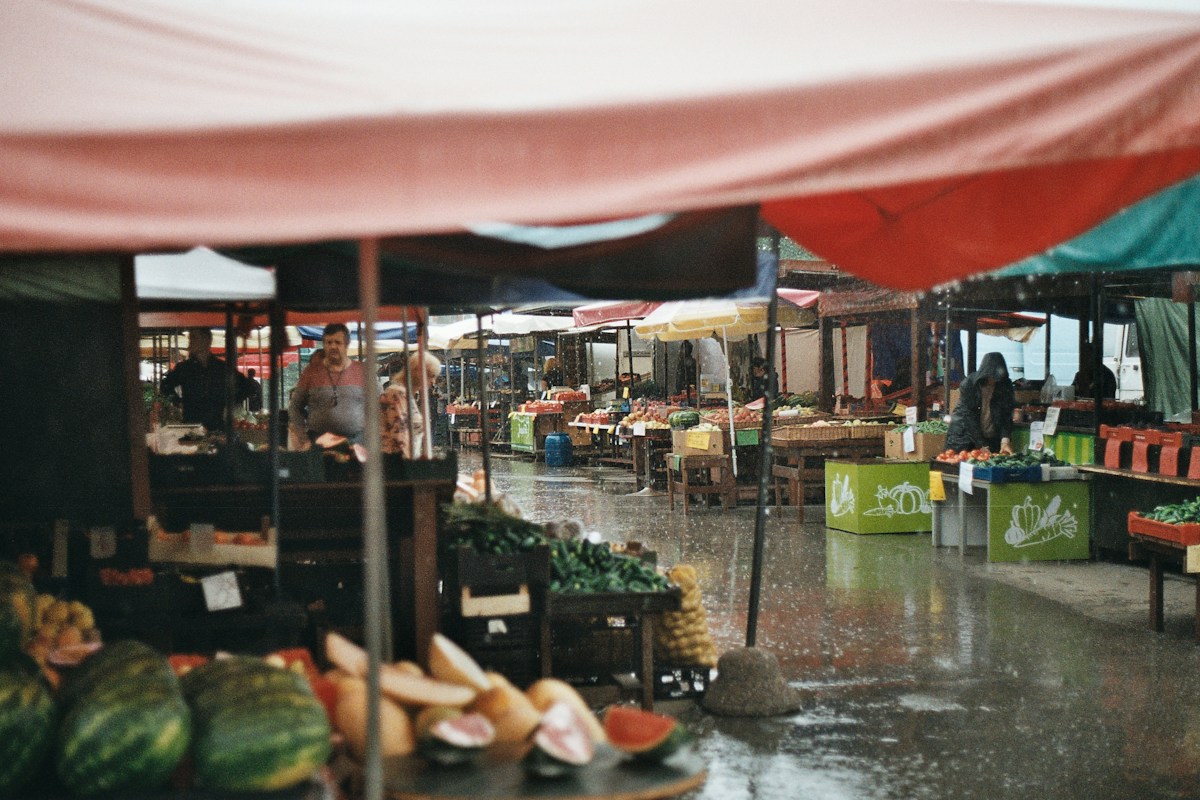
The difference between slow travel and fast tourism is not the number of days you take but what you spend them on. Fast tourism optimizes for coverage: seven cities, a camera roll full of landmarks, one continuous transit between them. A slower trip optimizes for repetition and depth, and that changes the daily budget, the kind of accommodation that works and the way a place reads to you by the end.
- A coverage trip sees more and remembers less, and spends a large share of the budget on moving between places rather than being in them.
- A slower trip sees fewer places, spends more per day on the place itself, and cuts the transport line sharply.
Transport is where the two styles diverge most. Moving every second day means constant booking, packing and airport transfers. Staying a week means one arrival, one departure, and a neighborhood you can navigate without a map by the third morning. Cost works out differently too: a longer stay usually lowers the nightly rate while raising the food and activity spend, because you stop eating only what is next to the station.
Which style suits you depends on the trip rather than on temperament. If it is a first visit to a region you may not return to, coverage has a real argument, and pretending otherwise wastes your money. If you work remotely, travel for several months, or are simply tired of the packing cycle, the slower version is the more sustainable one.
It is not morally better, just cheaper on attention. The mistake is booking a slow itinerary and then running it at coverage speed: four nights in four towns, every train timed to the minute. Choose one style and let the itinerary match it.
Slow travel in Europe: cities that reward an unhurried week
Europe is the easiest continent to travel slowly in, because the rail network, the compact old towns and the long shoulder seasons do most of the work for you. Three cities show different versions of the same idea.
- Lisbon — hills, trams and a riverfront that residents genuinely use. The case for a longer stay is neighborhood life in the old districts rather than the monuments, plus a coastal train line for flat-day escapes.
- Valencia — a mid-sized Spanish city with a riverbed turned into a long park, a central market and a beach inside the city limits. It suits anyone who wants a beach and a city without choosing between them.
- Copenhagen — expensive per night but excellent on foot and by bicycle. It rewards a slower pace because so much of what is worth seeing is everyday: the harbor, the food halls, long waterfront walks and a design culture you absorb rather than visit.
The pattern is regional rather than national. Across Portugal, Spain, Denmark and Italy, second cities usually offer the same architecture and cooking with lower prices and shorter queues than the famous names. What changes is tourist intensity, and that is precisely what a long stay is trying to escape.
Plan around weeks rather than long weekends, because the cost per day falls once a rental is priced weekly. Use the shoulder months when your dates allow it, and expect the most central districts to be busiest in high summer regardless of which country you pick.
Two things move every year and are worth checking before you commit: rail passes and regional tickets, whose price and coverage are reset annually by the operators, and the exact dates of national holidays, which fill domestic transport. Check the operator's own site for the year you travel rather than an old itinerary you found online.
Morocco: Marrakech, Fes and Merzouga at walking pace
Morocco rewards the slow approach more than most countries, because its two main cities are best understood on foot and inside their old quarters. Marrakech is the easier introduction: a flat, dense medina where a week of mornings in the souks and afternoons in a courtyard house is a workable plan rather than an indulgence. Use the Marrakech city page for neighborhoods and what sits near each one.
Fes is the other anchor, and a different experience. Its medina is larger, less polished and slower to learn, which is exactly what makes a second week worthwhile. Slow travel here means accepting that getting mildly lost is part of the day rather than a failure of planning, and that the crafts and workshops take time to find.
Merzouga, on the western edge of the Sahara, works as the counterweight. It is not a place to rush through on a single overnight stop. Two or three nights let you see the dunes at different hours, when the light changes and the day trips from the desert camps thin out.
The practical rule for Morocco is to pick two bases rather than four. Distances between Marrakech, Fes and the desert are long, and internal flights or the rail line take most of a day, so the time you save by not moving is the time you actually spend in the country.
Japan and Indonesia: Kyoto temples and Ubud rice fields
Kyoto and Ubud fall into the same category for a different reason: both are places people arrive expecting a highlight list and leave wishing they had stayed a month.
Kyoto rewards slow travel through its geography. The city is a bowl of districts, and the famous sites are spread across all of them, so the standard mistake is three temples a day by bus. A calmer plan takes one district a day and walks it: the canal path in the north, the market and riverside in the center, the wooded hills to the east. Treat the temple as one stop on a walk rather than the whole outing, and go early, because the mornings before the tour groups arrive are a different city.
Ubud, in Bali's interior, is a rice-field town that grew up around a market and a palace. It suits a longer stay because the day revolves around the same few blocks and the surrounding villages rather than around ticketed attractions. Expect heat, scooters and persistent traffic in the middle, so pick accommodation a short walk out and treat the town as a base for walks and cooking rather than a sight in itself.
Neither place is cheap in the middle of the tourist core, which is the argument for staying a fortnight just outside it. Both repay the second week far more than the second day: the routine of the same breakfast, the same walk and the same stall is what people actually remember.
One caution applies to both. Popular districts in Kyoto and Ubud have changed fast, and the accommodation mix shifts with them, so check the current rental terms and any local rules on short stays before you commit to a month.
Nepal: Pokhara as a long-stay base
Pokhara is the clearest example of a place that works better as a base than as a stopover.
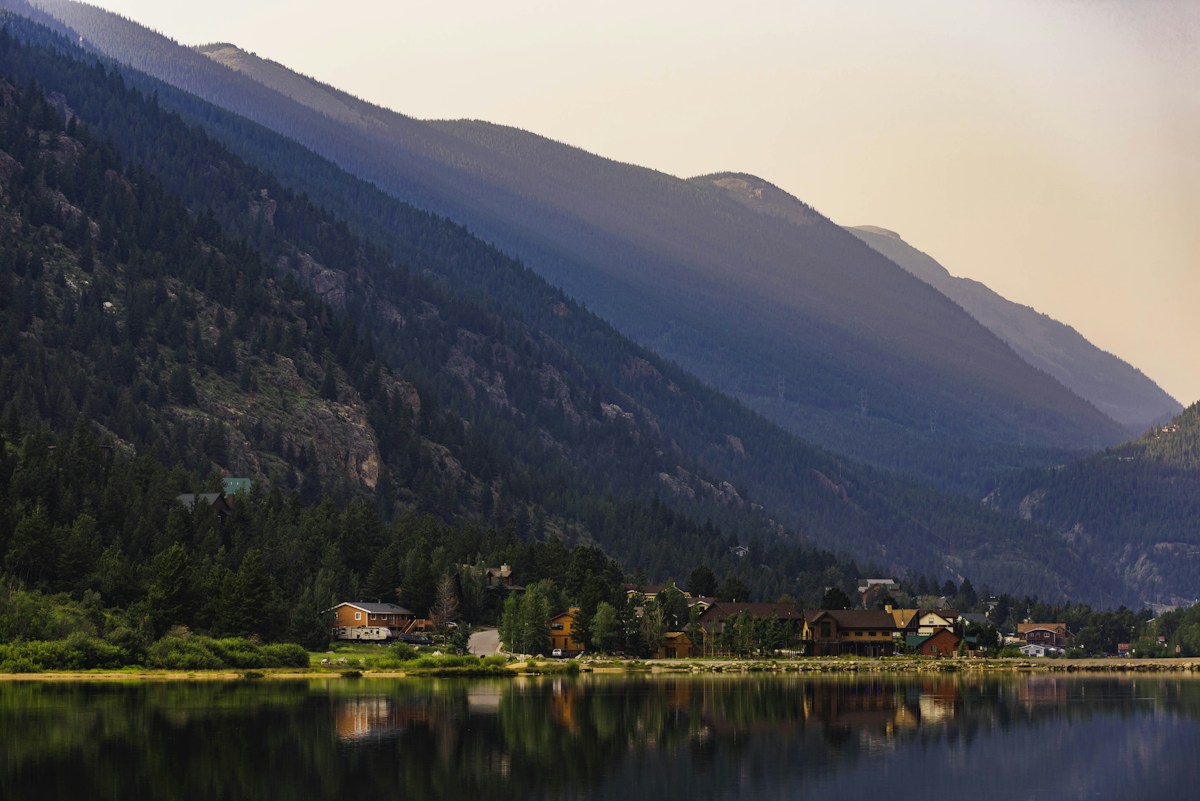
The city sits beside a lake with the Annapurna range on the skyline, and the tourist district runs along the shore in one walkable strip. That makes everyday life simple: guesthouses by the week, restaurants, trekking offices, bike rental and boat docks all sit in a single line you can cover on foot. The Pokhara city guide covers the areas and what sits near each one.
Most visitors pass through on the way to a trek, spend a night and leave. Staying longer changes what the town gives you. A week is enough to walk the shoreline in both directions, take the short climbs above the valley for a sunrise view, ride out to the villages on the far side of the lake, and wait for a clear morning. That last point matters: the mountains are often hidden by haze and cloud for part of the day, so the famous skyline is not guaranteed on any single date.
The practical case is cost and recovery. Weekly guesthouse rates fall well below night-by-night bookings, food is inexpensive, and the town is small enough to walk end to end, so the daily spend stays low while you sit between treks. It also suits travelers who want mountain country without altitude risk, because the valley itself sits low and the viewpoints are day walks rather than expeditions.
Book the first few nights ahead and settle the rest on arrival, when you can see the room and the street. Accommodation quality varies more than the price suggests.
Best countries for slow travel at a glance
There is no single country that suits every long stay, because the answer depends as much on your budget and the season as on the place itself. What follows is a shortlist of countries that make long stays easy, with the trade-off attached to each.
- Morocco — strong value and a deep apartment market in the cities; the trade-off is summer heat and a wide gap between tourist and local prices.
- Nepal — very low daily costs and a compact, walkable tourist district in Pokhara; the trade-off is thin infrastructure outside a few towns.
- Japan — dependable transport and a very low crime rate for a solo stay; the trade-off is costly accommodation and a language barrier outside the cities.
- Portugal and Spain — good weather, strong rail links and a mature long-stay rental market; the trade-off is that the most popular districts have already priced in the demand.
- Indonesia — low costs and a deep long-stay infrastructure on Bali; the trade-off is traffic and a rainy season that is a real planning factor.
- Denmark — the easiest country on this list to live in without a car; the trade-off is that it is the most expensive.
- Canada — Montreal offers a bilingual, walkable city with a long rental culture; the trade-off is winter, which shapes the whole calendar.
Read that as a set of trade-offs rather than a ranking. Countries that suit a long stay on a small budget are rarely the ones that work in winter, and the easiest places to live in are usually the most expensive.
A useful test is to ask what you would do on an ordinary Tuesday there. If the answer is that you would do what you do at home, only in better weather, the country fits. If you would wait for the weekend, the base is wrong.
Your first slow trip: where to start
For a first slow trip, the destination matters less than the margin for error. The aim is a place where logistics are forgiving, so a slow stay feels unhurried and a wrong turn costs an hour rather than a day.
Three conditions make a first attempt easier. A compact, walkable core lets you learn the place on foot within a few days. Reliable public transport keeps a car optional and a missed connection minor. A strong rental market means you can take a week without committing to a month. A destination with all three lets you concentrate on the pace, not on solving the trip.
- Start with a city you can cross on foot. Lisbon, Copenhagen and Montreal all allow a routine to form within a week, because everyday things sit close together.
- Keep the first base within a short flight of home. Less jet lag and an easier return make settling into a slower rhythm simpler.
- Choose a country with familiar infrastructure. A strong transport network and a clear tourist office make the first long stay less of a puzzle; save harder places for a second trip.
- Commit to one week, not one month. A first slow trip is a trial, and keeping the option to extend or move on is part of the point.
What to avoid is the place that demands the most: a remote valley with one bus a day, a town where a car is needed for the market, or a coast whose best weather is also its busiest week. Those make excellent second trips, once the rhythm is familiar and logistics no longer fill the day.
A first slow trip can be a rehearsal. The goal is to learn how you travel when you stop moving, not to prove it in the hardest place. Pick somewhere kind, stay long enough to repeat a day, and keep the ambition for the second trip.
Slow travel places to visit by month and season
Season decides more of a slow trip than destination does, because you are committing weeks rather than a long weekend. Below is how the calendar shapes the same shortlist, with a verdict for each window.
- Spring (March to May) — the strongest all-round window in the northern hemisphere: Morocco, Nepal, Japan and southern Europe are all workable. Verdict: book early, and expect shoulder pricing to drift toward peak in the popular cities.
- Early summer (June) — long days across Europe and Japan, while Morocco and Bali turn hot. Verdict: good for northern cities, hard work in the desert or the tropics.
- Peak summer (July and August) — crowded and expensive almost everywhere popular. Verdict: a slow trip helps here, because a week in one place absorbs the crowds better than a five-city sprint. Choose altitude or coast.
- Autumn (September to November) — often the strongest balance of weather, price and space, and Morocco, Japan and Nepal all improve after the summer heat. Verdict: the strongest window for a long stay.
- Winter (December to February) — the season that splits the map: Nepal and Morocco are comfortable, Canada and northern Europe are cold. Verdict: pick a hemisphere rather than fighting one.
Two things move from year to year and are worth checking before you commit. The first is the calendar of religious and national holidays, which reshapes domestic travel and can fill every bus and guesthouse in a region within days. The second is the rainy-season pattern in South and Southeast Asia, which varies by region rather than by country, so a wet month in one place can be a dry one a few hundred kilometers away.
Airlines and rail operators publish their seasonal schedules in advance. Use those, and the national tourism office for the country you are considering, rather than a blog written for a different year.
Choosing a base for a longer stay
Among longer stays destinations, the base matters more than the country, and this is the set of decisions that only appears once you commit to a month rather than a week.
- Pick the neighborhood before the apartment. A cheap flat two bus rides from the center costs you more in taxis and lost time than a slightly dearer one within walking distance of the market.
- Check the walk to the everyday things. Grocery, pharmacy, laundry, bus stop. That five-minute radius decides how your days feel more than any viewpoint does.
- Confirm the rental terms. Utilities, deposit, minimum stay and whether the price is quoted per night or per month. Long-stay discounts are common and rarely advertised, so ask directly.
- Look at the local transport card. A monthly pass usually changes the budget far more than one day trip does.
- Decide on a second base in advance. Two bases a month apart beat four bases and a permanently packed bag.
The most common mistake is choosing a base for its attractions rather than its routine. A city with three famous sights and no ordinary life becomes tiring by the second week, while a plain town with a good market and a regular bus rarely does. Attractions are consumed once; the market is visited forty times.
If you are choosing between a capital and a regional city, the regional one usually wins on rent, food and pace. It loses on flights, which matters much more in a short trip than in a long one, and on specialist services, which matters if you have a reason to be somewhere specific. Score both against your own week before you sign anything. For the wider country, including the Atlantic coast, the Atlas passes and the desert edges, start from the Morocco overview.
Getting there slowly: rail travel and one-way flights
Transport is where a slow itinerary is won or lost, and two habits do most of the work.
Rail travel suits the middle of a trip. It moves you between cities without an airport transfer at either end, and it typically drops you in the center, which is exactly where a slow traveler wants to be. Overnight and regional services vary enormously between countries, so treat any rail pass as a plan rather than a guarantee and check the operator's own timetable before you build an itinerary around it.
One-way flights remove the biggest cost of a long stay: the fixed return date. Booking legs separately usually costs more per leg than a return fare, but it buys the freedom to extend or cut a stay short, which is the entire point of traveling slowly. The trade-off is that you lose the protection a single ticket gives you if one leg is cancelled, so leave slack between connections and read the baggage terms, which vary most between low-cost carriers.
- Build the trip outward from the middle. Book the longest stay first, then the flights that reach it.
- Keep one flexible leg. The flight home is the one worth buying last, or on a changeable fare.
- Prefer rail for short hops. Under a few hours, station to station usually beats an airport.
Rail passes, baggage rules and visa-free entry periods change every year and are set by governments and operators rather than by travel fashion. The UN World Tourism Organization publishes the seasonal patterns behind global visitor numbers, which is useful for understanding why peak dates price the way they do. For the entry rules that apply to your own passport, check the government source for each country before you book, not after.
Slow travel ideas for shorter trips
A slow trip does not require a month off. The principle travels well and works on a long weekend or a single week, which is what most people actually have.
- One base, no day trips. Pick a single city and refuse to leave it. A weekend in one neighborhood usually beats a weekend split between two towns.
- Travel in the shoulder months. The same place behaves differently in October than in July, and the calmer version of a busy city is easier to find off-season.
- Return to somewhere you already know. A second visit lets you skip the highlight run entirely and go straight to the market, the park and the cafe you remember.
- Follow a local rhythm. Market in the morning, a long lunch, a walk in the late afternoon, and one plan for the evening rather than five.
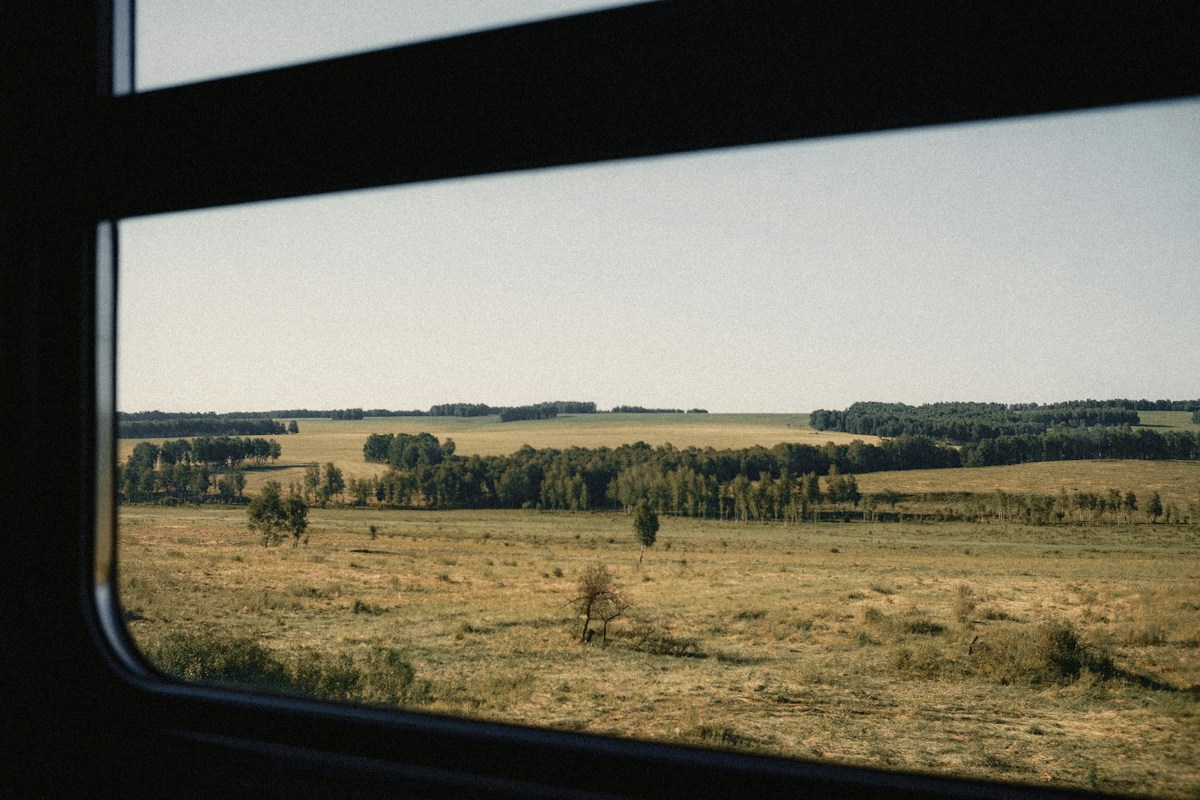
- Take the train instead of the flight. A four-hour rail hop turns a transit day into part of the trip.
Cities that suit this shorter version are the ones where everyday life sits close to the center. Copenhagen and Montreal both reward a week of walking more than a checklist of sights, and both are comfortable to visit without a car. Montreal in particular works well as a first slow trip in North America, because the old town, the markets and the residential districts are all reachable on foot or by metro.
The honest limitation is that planning counts for less here than leaving room. A shorter slow trip gives up the one thing a long stay buys outright: the ability to do nothing on a given day and still call it a success. Build in one empty afternoon, and the shorter version comes close. A separate guide to how many days in Marrakech sets out how a short stay and a long one differ, which is the first decision a slow itinerary has to make.
Frequently asked questions
What is slow travel, exactly?
Slow travel means staying in one place long enough to build a routine, rather than moving between destinations to cover more ground. It is about the length of a stay and the depth of it, not about avoiding flights or rejecting comfort. A week in one neighborhood is slow travel; four cities in a week is not, however gently you move between them.
How long do you need in one place for it to count as slow travel?
A week is the practical minimum, because the first two or three days go on arrival, orientation and errands. Two weeks is where the pace really changes: you stop planning each day and start repeating the ones you like. Anything under five nights still works as a gentle trip, but it is a short stay rather than a slow one.
Which destinations are cheapest for a long stay?
Morocco, Nepal and Indonesia are the most affordable of the commonly chosen countries, mainly because weekly guesthouse and apartment rates fall sharply and local food is inexpensive. Portugal and Spain sit in the middle. Denmark and Canada are comfortable but expensive, and Japan is expensive for accommodation in particular. Compare a weekly rate rather than a nightly one before you decide.
Do you need to work remotely to travel slowly?
No. Slow travel is a pace, not a work arrangement, and anyone with a week or two can stay in one place and see it properly. That said, remote workers gain the most from it, because a stable base and a stable internet connection remove the two costs that moving frequently adds: transit time and unreliable accommodation.
How far ahead should I book a long stay?
Book the first week before you travel and leave the rest open where you can. A monthly rental is usually cheaper than a nightly rate, but it also locks you in, so a week booked ahead followed by a longer stay negotiated on arrival keeps both options open. Read the cancellation terms carefully, since long-stay bookings often carry stricter rules than a short stay does.